

The New Baking Vocabulary
The landscape of Indian home baking has expanded dramatically. It's no longer just about mastering the perfect vanilla cake. A new lexicon of global baking terms has entered the mainstream, thanks to a wave of curious and ambitious home bakers. Techniques
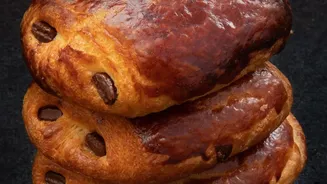
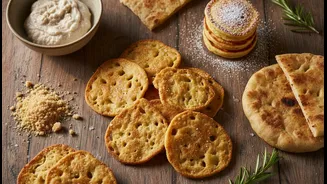
that were once the exclusive domain of high-end patisseries are now being perfected in urban apartments and suburban homes. The stars of this new movement are artisanal breads and complex pastries. Sourdough, a naturally leavened bread made from a fermented starter of flour and water, has seen a massive surge in popularity. Its tangy flavour and chewy texture represent a departure from the soft, commercial breads many grew up with. Alongside sourdough, home bakers are tackling laminated doughs to create buttery croissants and pains au chocolat. Other trending items include the Basque cheesecake, famous for its intentionally burnt top and creamy interior, and delicate French macarons.
From Pandemic Hobby to Passion Project
The seeds of this transformation were sown during the pandemic lockdowns. With more time spent at home, many Indians turned to baking as a therapeutic and productive hobby. What started with banana bread and Dalgona coffee soon evolved. As novice bakers gained confidence, they began seeking new challenges, graduating from simple recipes to more complex, technique-driven ones. This period accelerated a trend that was already bubbling under the surface: a desire for healthier, preservative-free food. Home baking gives individuals complete control over ingredients, allowing them to reduce sugar, use whole grains, and avoid the additives found in many store-bought products. This alignment with a broader wellness trend has given the home baking movement sustained momentum long after lockdowns have ended.
The Social Media & E-commerce Effect
You cannot talk about the modern baking boom without mentioning social media. Platforms like Instagram and YouTube have become virtual culinary schools and vibrant communities. Visually stunning creations, from intricately decorated cakes to sourdough loaves with a perfect 'ear', provide endless inspiration. Aspiring bakers can access countless tutorials, follow their favourite chefs, and share their own creations, receiving feedback and encouragement from a global community. This digital ecosystem has not only democratised baking knowledge but also fueled a wave of home-baker-led businesses. With the help of social media for marketing and e-commerce platforms for logistics, passionate individuals are turning their hobby into a viable source of income, selling their specialised bakes to a local and often national audience.
An Indian Twist on Global Classics
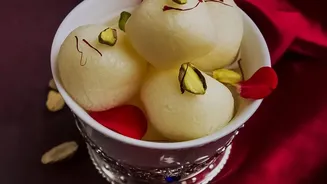
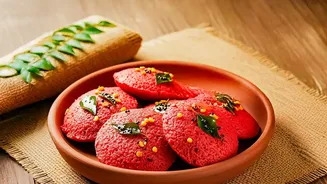
Crucially, Indian home bakers are not just replicating global recipes; they are creatively adapting them. This fusion of international techniques with local flavours is producing some of the most exciting results. Fermentation, a core concept in sourdough, is already familiar in Indian cuisine through preparations like idli, dosa, and appam, making the leap feel natural. Bakers are now creating sourdough kulchas, which stay softer for longer, and infusing loaves with Indian spices like ajwain, methi, and tempered garlic. The trend extends to sweets, with bakers creating fusion desserts like gulab jamun cheesecakes, masala chai-spiced pastries, and saffron-infused croissants. This inventive approach creates something that feels both new and comfortingly familiar, bridging global trends with India's rich culinary heritage.
The Rise of the 'Pro-Amateur' Baker
This movement has given rise to a new kind of baker: the 'pro-amateur'. These are serious hobbyists who invest in high-quality ingredients and professional-grade equipment, blurring the lines between home and commercial kitchens. The desire for artisanal quality is driving this shift. Many are even taking online workshops with renowned chefs to hone their skills in specific areas, from French pastry to advanced bread making. This dedication is transforming home baking from a casual pastime into a sophisticated craft. It reflects a broader cultural shift towards appreciating artisanal skills, high-quality food, and the deep satisfaction that comes from creating something beautiful and delicious with one's own hands.