






More Than Just a Walk in the Woods
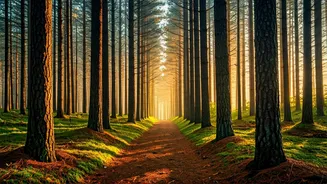
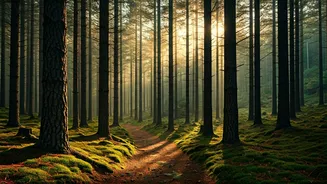
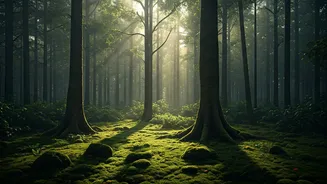
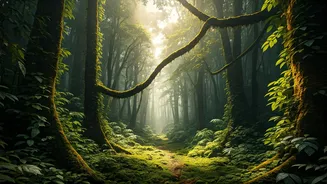
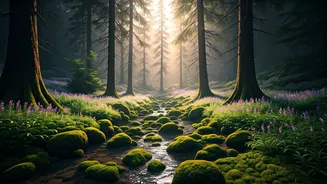
First, let's be clear: forest bathing isn't hiking. It's not about reaching a destination or counting your steps. The practice, originating from Japan where it's called 'Shinrin-yoku', is the art of immersing yourself in the atmosphere of the forest.
It’s a sensory experience. The goal is to slow down, disconnect from your phone, and connect with the natural world through sight, sound, smell, touch, and even taste. It’s about being present, not productive. Instead of conquering a trail, you are simply allowing the forest to envelop you, to quiet your mind and soothe your soul without you even trying.
The Almora Advantage: A Himalayan Sanctuary
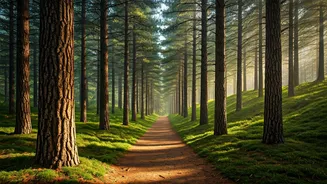
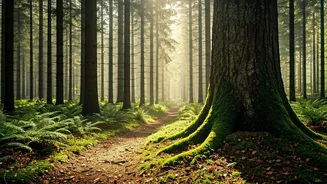
While you can forest-bathe anywhere there are trees, some places are simply built for it. Almora, nestled in the Kumaon Himalayas, is one such place. The region is carpeted with vast stretches of chir pine, deodar, and oak forests. Unlike crowded tourist trails, here you can easily find solitude. The air is crisp and clean, carrying the distinct, therapeutic scent of pine resin. The soundtrack is not of traffic, but of wind rustling through leaves and the distant call of a bird. As you walk, you might catch a breathtaking glimpse of the snow-capped peaks of Nanda Devi or Trishul, a visual reminder of nature’s immense and calming scale. This unique combination of accessible wilderness, clean air, and profound tranquility makes Almora an ideal sanctuary for this practice.
The Science Behind the Serenity
This isn't just a feel-good activity; there's compelling science behind it. Studies on Shinrin-yoku have shown that spending mindful time in a forest can lead to significant physiological and psychological benefits. Trees release organic compounds called phytoncides, which have been found to boost our immune system by increasing the activity of our natural killer cells. Being in nature has also been proven to lower levels of the stress hormone cortisol, reduce blood pressure, and decrease heart rate. Psychologically, it helps reduce rumination (the cycle of negative thoughts) and improves cognitive function, focus, and creativity. So, when you feel that sense of calm descending upon you in an Almora forest, it’s not your imagination—it's a real, measurable biochemical response.
How to Begin Your Forest Bath
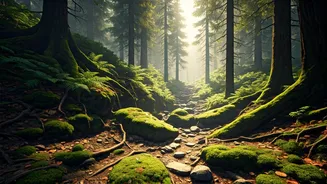
Getting started is simple. Find a quiet trail or a spot in the woods around Almora, perhaps in the Binsar Wildlife Sanctuary or the peaceful Jageshwar valley. Leave your phone behind or put it on silent. Start by engaging your senses, one by one. **Sight:** Notice the different shades of green, the texture of the bark, the way sunlight filters through the canopy. **Sound:** Close your eyes and listen. Can you distinguish the different bird calls? The sound of your own feet on the pine-needle-covered ground? **Smell:** Inhale deeply. What do you smell? Damp earth, pine, wildflowers? **Touch:** Run your hand over a mossy rock, a rough tree trunk, a soft leaf. The key is to move slowly and deliberately, without a destination in mind. You might walk for just a few hundred metres over an hour or two. Find a comfortable spot to sit, lean against a tree, and simply be.
Planning Your Wellness Trip
The best times to visit Almora for forest bathing are during the spring (March to May) and autumn (September to November) months, when the weather is pleasant and the natural landscape is at its most vibrant. While Almora town serves as a good base, consider staying in a homestay or a quiet resort in the surrounding areas like Kasar Devi, Binsar, or near the Jageshwar Temple Complex to be closer to the forests. You don't need a formal guide, as the practice is deeply personal. However, some local eco-tourism operators are beginning to offer guided forest bathing experiences, which can be a great introduction for beginners. All you truly need is a willingness to slow down and an open heart.