



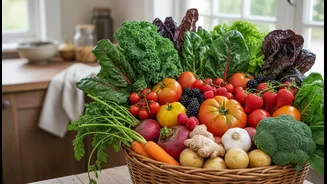


Why Just One Vegetable Matters
Committing to a full dietary overhaul is daunting, and often, it doesn't stick. The beauty of adding a single vegetable is its simplicity. This small, achievable goal creates a positive feedback loop, building confidence and momentum. A diet rich in vegetables
can lower blood pressure, reduce the risk of heart disease and stroke, and help prevent some types of cancer. Even adding one to two servings a day can have a significant protective effect. That single addition boosts your intake of essential vitamins, minerals, and fibre, which supports everything from gut health to immune function. It's a small win that compounds over time, making the journey toward a healthier lifestyle feel less like a chore and more like a natural evolution.
Lunch: The Perfect Starting Point
Why target your midday meal? For many, lunch is the meal we have the most control over, whether we pack it from home or buy it. Unlike breakfast, which can be rushed, or dinner, which might be a shared family meal, lunch is often a personal affair. Introducing a new habit in this controlled environment makes it easier to maintain. Furthermore, a nutrient boost in the middle of the day can help combat the dreaded afternoon slump. Vegetables with a low glycemic load help prevent the blood sugar spikes that can increase hunger and sap your energy. A more vibrant, veggie-filled lunch can lead to a more focused and energised afternoon.
Simple Add-Ins for Any Lunch
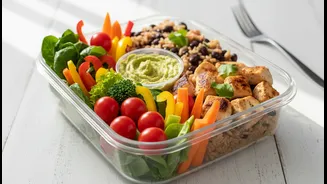
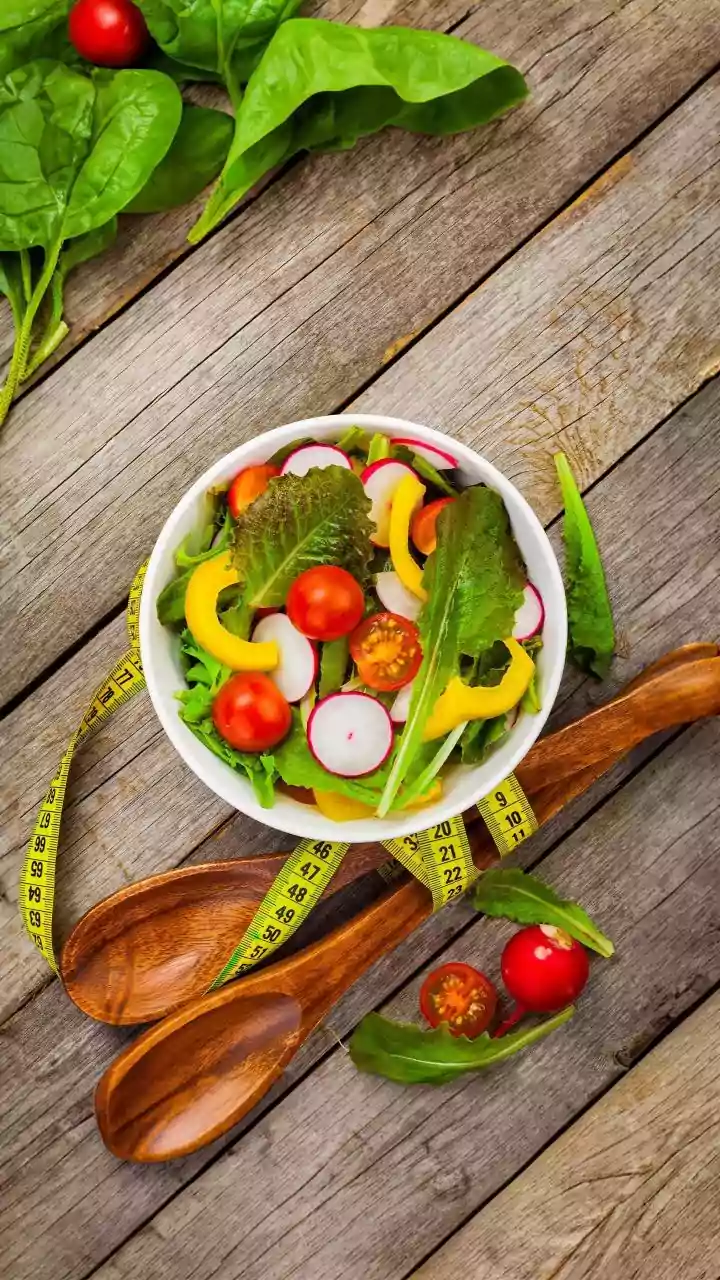
Getting started is easier than you think. You don't need to learn complex new recipes; just enhance what you already eat. If you're having a sandwich or wrap, add a layer of spinach, grated carrots, or a few slices of cucumber. If soup is on the menu, stir in a handful of frozen peas or corn. Packing leftovers like dal and rice? Add a side of steamed green beans or sliced tomatoes. Even a simple can of soup can be bulked up with extra vegetables. The goal is to make it effortless. Keep pre-washed lettuce, baby carrots, or mini bell peppers on hand for a quick, crunchy side that requires zero preparation.
Think Beyond the Salad Bowl
Adding a vegetable doesn't always mean eating a pile of raw greens. Get creative to keep things interesting. A scoop of hummus or another bean dip served with celery or bell pepper sticks is a delicious and satisfying option. Blending a handful of spinach or some zucchini into a smoothie is an almost undetectable way to get a serving of greens. Leftover roasted vegetables from last night's dinner can be fantastic in a wrap or grain bowl the next day. You can also explore veggie-based versions of your favourites, like using cauliflower rice in a burrito bowl or adding grated zucchini to a frittata cup.
From One Vegetable to a Plant-Rich Plate
Once adding one extra vegetable at lunch becomes a habit, you might find yourself naturally looking for other opportunities. Perhaps you'll start adding mushrooms and onions to your morning eggs or tossing extra broccoli into your pasta sauce at dinner. This gradual approach, known as crowding out, focuses on adding more good things rather than strictly forbidding others. Over time, your plate naturally becomes more balanced and colourful without feeling restrictive. The journey to a plant-rich diet isn't about perfection; it's about progress. And it can all start with that single, simple, and satisfying extra vegetable on your lunch plate.