





The New Festive Mindset
For years, the festive season meant accepting a degree of digestive distress as a side effect of celebration. Heavy meals, rich sweets, and fried snacks were enjoyed in the moment, with the discomfort dealt with later. Now, there's a growing awareness
that pleasure and comfort can coexist. People are actively seeking ways to enjoy their favourite traditional dishes without feeling bloated or unwell afterwards. This move towards mindful indulgence is less about restriction and more about enhancing the overall festive experience by feeling good both during and after the feast.
Why Festive Feasts Can Upset Your Stomach
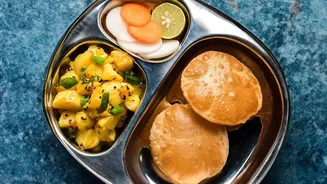
Our digestive systems often protest during festivals for good reason. Traditional festive foods are frequently high in fat, sugar, and refined flours, which can be difficult for the gut to process, especially in large quantities. Eating at irregular hours, consuming rich foods late at night, and indulging in more sugary or alcoholic beverages than usual can lead to common issues like acidity, gas, and a feeling of heaviness. Understanding this helps in making small, smart choices that can prevent discomfort without sacrificing flavour.
Embracing Portion Awareness
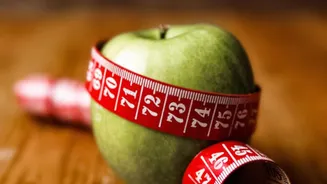
Portion control is a powerful tool for digestive comfort, and it doesn't require a weighing scale. A simple strategy is to use a smaller plate, which creates the illusion of a full meal and can prevent overeating. Another effective Indian-centric guide is using your hand: a fist-sized portion for vegetables, a palm-sized portion for protein like dal or paneer, and a thumb-tip amount for oils or ghee. When it comes to sweets, the 'three-bite rule' can be surprisingly effective; studies suggest the first few bites provide the most satisfaction. The goal is to taste and savour everything you love, just in more manageable amounts.
The Art of Mindful Eating
Mindful eating is about paying attention to your food and your body's signals. Instead of eating while distracted by conversations or screens, take a moment to savour the aroma, texture, and taste of each bite. Eating slowly is crucial, as it gives your brain time to receive fullness signals from your stomach, which can take about 15-20 minutes. This practice not only helps prevent overeating but also enhances the pleasure of the meal. Before reaching for a second helping, pause and ask yourself if you are still genuinely hungry.
Smart Swaps and Hydration
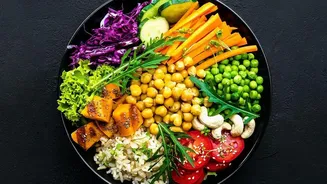
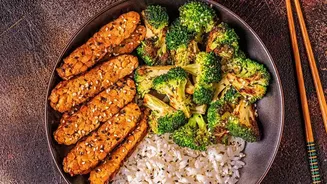
Simple modifications can make a big difference. Opt for baked or roasted versions of snacks instead of deep-fried ones. When preparing sweets at home, consider using natural sweeteners like jaggery or dates instead of refined sugar. Balancing your plate is also key; aim to fill half your plate with vegetables or a salad. Equally important is hydration. Drinking water throughout the day aids digestion and can prevent thirst from being mistaken for hunger. Sipping on warm water or herbal teas like ginger or fennel after a meal can also help soothe the digestive system.
Planning Before and After the Feast
How you manage the hours around a big meal matters. Skipping meals to 'save calories' for a feast often backfires, leading to overeating because you arrive ravenously hungry. Having a light, protein-rich snack like a handful of nuts or a cup of yoghurt before heading to a party can curb extreme hunger. After the meal, instead of heading straight for a nap, a light walk can significantly aid digestion and reduce feelings of bloating. On the days following a heavy meal, focus on lighter, simpler foods like dal and vegetables to give your system a chance to reset.