






More Than Just a Notebook
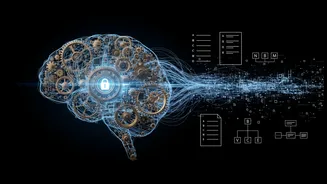
First, let's clarify what a 'second brain' is. It’s not just a fancy term for a note-taking app. Popularised by productivity expert Tiago Forte, it’s a comprehensive system for managing information overload. Think of it as an external, digital extension
of your mind, designed to capture, organise, and connect your ideas, learnings, and resources. The core principle is that our brains are for having ideas, not for storing them. By offloading the task of remembering everything to a reliable digital system, you free up precious mental energy for more creative, strategic, and deep thinking.
The Methods Behind the Magic
A second brain isn't about aimlessly dumping files into a folder. It’s powered by simple but effective methodologies. The most well-known is Forte's PARA method, which organises all digital information into four categories: Projects (short-term efforts with a goal), Areas (long-term responsibilities), Resources (topics of ongoing interest), and Archives (completed or inactive items). This structure is simple, flexible, and action-oriented, helping you easily find what you need when you need it. This system isn't about rigid rules but about creating a living, evolving web of your knowledge that reflects your current thinking and priorities.
A New Generation of Tools
The rise of the second brain concept has been fuelled by a new class of powerful and flexible applications. Tools like Notion, Obsidian, and Tana have become frontrunners, each with a different philosophy. Notion excels as an all-in-one workspace, ideal for team collaboration and managing structured information like databases and project plans. Obsidian, on the other hand, is a local-first, privacy-focused tool perfect for building a personal knowledge graph where you can visually see the connections between your ideas. The key distinction of these modern tools is their ability to create links between notes, turning a simple collection of documents into an interconnected web of knowledge.
The Real Impact on Work Organisation
So, how is this trend actively changing the way we work? For individuals, it marks a shift from reactive to proactive work. Instead of constantly searching for information, your knowledge is organised and ready for use, allowing you to move projects forward more consistently. For teams, shared second brains, often built in platforms like Notion or Tana, are breaking down information silos. When playbooks, meeting notes, and project research live in a shared, interconnected space, it reduces dependency on key individuals and makes the entire team more efficient. This transition allows workers to spend less time on administrative recall and more time on the high-value 'thinking' part of their jobs.
The Future is Artificially Intelligent
The most significant recent evolution in the digital second brain space is the integration of artificial intelligence. AI is transforming these systems from passive storage into active partners. Modern AI can now automatically tag and categorise information, summarise long articles or meetings, and even surface connections between ideas you might have missed. Instead of manually searching with keywords, you can ask your second brain questions in natural language, like "What were my main takeaways on customer feedback last quarter?" This AI layer automates much of the manual organisation, making it easier than ever to maintain a powerful knowledge system and turning it into an intelligent assistant that grows with you.