


The Modern Return to Ancient Grains
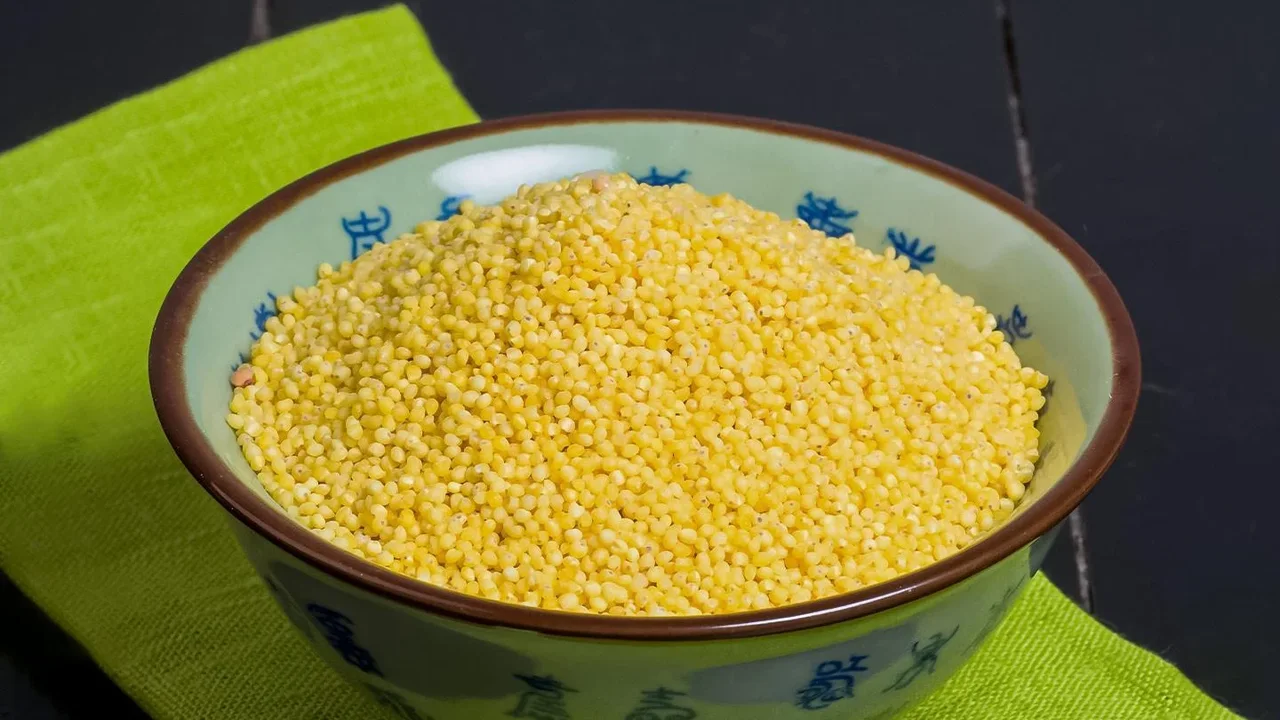
For generations, millets were a staple across India, but they slowly took a backseat to wheat and rice. Now, a growing interest in wellness and traditional foods is bringing them back. Health-conscious home cooks are rediscovering what our ancestors knew
all along: these small-seeded grains are nutritional powerhouses perfect for modern diets. This trend is not just about nostalgia; it’s driven by a desire for gluten-free, high-fiber, and minimally processed ingredients. As people look for healthier alternatives, flours made from grains like jowar, bajra, and ragi are becoming increasingly common in pantries and on supermarket shelves.
A Nutritional Powerhouse in Your Pantry
Millet flours are celebrated for their impressive health benefits. Their standout feature is a high fiber content, which aids digestion, helps you feel full for longer, and can assist in managing weight. This fiber also plays a role in controlling cholesterol levels. Many millets are naturally gluten-free, making them an excellent choice for individuals with celiac disease or gluten sensitivity. They are also packed with essential minerals like magnesium, iron, and calcium. Furthermore, millets have a low glycemic index, which helps in maintaining stable blood sugar levels, making them a suitable grain for people with diabetes.
Know Your Millets: A Regional Guide
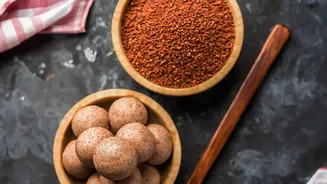
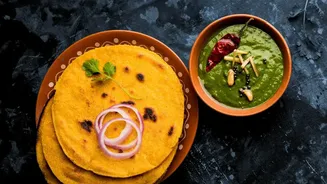
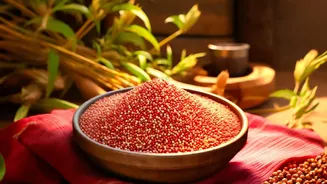
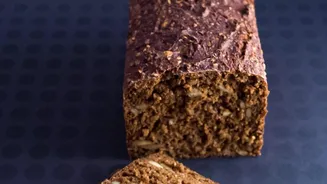
India's diverse agriculture offers a variety of millets, each with a unique profile. Jowar (Sorghum) is a popular choice known for its slightly sweet taste and is used to make everything from rotis to dense, tasty breads. Bajra (Pearl Millet), a staple in western India, has a nutty flavour and is rich in iron. Ragi (Finger Millet), widely used in the south, has an earthy taste and is a fantastic source of calcium. Its deep colour can give baked goods a beautiful, rich hue. Other varieties like Foxtail, Kodo, and Barnyard millet are also gaining traction, each offering a different texture and nutritional benefit.
Tips for Perfect Millet Baking
Baking with millet flours can be a little different from using wheat flour, primarily because they are gluten-free. Gluten provides structure and elasticity, so you may need to make some adjustments. For a softer texture, it's often best to blend millet flour with other flours. A good starting point is to substitute 20-25% of the total flour in a recipe with millet flour. Because these flours are high in fiber, they tend to absorb more liquid, so you might need to increase the amount of water or milk in your batter. To prevent baked goods from becoming crumbly, adding a binding agent like psyllium husk or xanthan gum can be very helpful.
Simple Swaps to Get Started
Diving into millet baking doesn't have to be complicated. Start by incorporating these flours into recipes you already love. Try making pancakes, muffins, or cookies by replacing a portion of your usual flour with ragi or jowar flour. You can make delicious, gluten-free cookies with bajra flour or a simple, one-bowl chocolate cake using jowar flour. Even savory snacks like mathri can be made healthier by baking them with bajra flour instead of frying. These small swaps are an easy way to get accustomed to the unique flavours and textures of millets while boosting the nutritional value of your family's favourite treats.