




As the winter mist settles across India, the nation’s forests and grasslands come alive. The cooler, drier air from November to February makes it the perfect time for a wildlife safari, offering clearer sightings and more comfortable explorations.
Ranthambore National Park, Rajasthan
Ranthambore
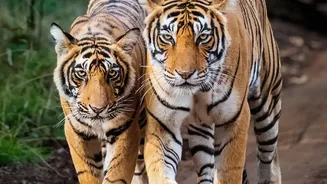
is legendary, and for good reason. Its unique landscape of dry deciduous forests, shimmering lakes, and ancient ruins provides a dramatic backdrop for wildlife spotting. The park is most famous for its population of Bengal tigers, which are often seen during the day. Winter offers pleasant weather for safaris, with daytime temperatures creating comfortable conditions for exploring. Early morning drives can be magical, with mist hanging over the lakes and the golden light perfect for photography. Besides the majestic tiger, the park is home to leopards, sloth bears, sambar deer, and crocodiles, making every drive an adventure. The presence of the historic Ranthambore Fort within the park adds a unique cultural dimension to the wildlife experience.
Jim Corbett National Park, Uttarakhand
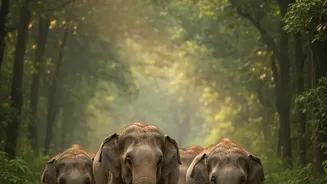
As India's oldest national park, Jim Corbett holds a special place in the country's conservation history. Nestled in the Himalayan foothills, its diverse terrain includes dense sal forests, vast grasslands, and the Ramganga River. Winter is considered the best season for tiger sightings here, as the vegetation thins out and animals gather around remaining water sources. The cool, pleasant weather is ideal for open-jeep safaris. Corbett is not just about tigers; it is also a fantastic destination for spotting Asiatic elephants and a wide array of deer species. For birdwatchers, winter is particularly rewarding, with hundreds of resident and migratory bird species, including the Siberian crane and Grey-Headed Fish Eagle, flocking to the area.
Kaziranga National Park, Assam
A UNESCO World Heritage Site, Kaziranga is a testament to one of India's greatest conservation success stories. This park in Assam is globally renowned for hosting the world's largest population of the Indian one-horned rhinoceros. The park closes during the monsoon due to flooding from the Brahmaputra River, making the post-monsoon winter months the ideal and necessary time to visit. The landscape of tall elephant grass, marshes, and dense tropical forests is also a prime habitat for elephants, wild water buffalo, and swamp deer. While rhinos are the main attraction, Kaziranga is also a designated Tiger Reserve. The pleasant winter climate, with temperatures ranging from 5 to 25 degrees Celsius, makes for perfect safari conditions.
Bandhavgarh National Park, Madhya Pradesh
If seeing a tiger is your top priority, Bandhavgarh is arguably the best place to go. This park in Madhya Pradesh boasts one of the highest densities of Bengal tigers in India, making sightings highly probable. The terrain of sal and bamboo forests, rocky ridges, and grassy meadows is the perfect habitat for these apex predators. The winter months from November to February are a popular time to visit, with pleasant weather and revitalized greenery following the monsoon. Beyond its famous tigers, Bandhavgarh is also home to leopards, sloth bears, and various deer species. The park's historical significance is marked by the ancient Bandhavgarh Fort, which overlooks the entire reserve.
Kanha National Park, Madhya Pradesh
The sprawling meadows and lush sal forests of Kanha National Park are so enchanting they famously inspired Rudyard Kipling's 'The Jungle Book'. This premier park offers a magnificent wildlife experience during the winter, when the weather is comfortable and the scenery is stunning. Kanha is a crucial habitat for the Royal Bengal Tiger, but it is equally celebrated for its successful conservation of the hard-ground Barasingha, or swamp deer, which was saved from near extinction here. Visitors can also spot Indian gaur, leopards, sloth bears, and wild dogs. Winter is also an excellent time for birdwatching, with many migratory species joining the resident birds.