






The Unified Road Trip Mindset
Experienced road trippers know that fuel, tolls, and rest aren't separate tasks but interconnected parts of a single resource pool: your time, money, and energy. A low FASTag balance can waste an hour at a crowded plaza, a desperate search for fuel can ruin
an evening, and skipping a rest break can have the most serious consequences of all. By thinking of them together, you can create a smoother, more efficient, and far more enjoyable journey. Before you even start the engine, your checklist should integrate these three elements. For example: "I'll drive for two hours, take a break at that well-rated highway restaurant, and while I'm stretching, I'll check my FASTag balance and see if the next fuel stop is in a state with cheaper petrol."
Beyond Just Having FASTag
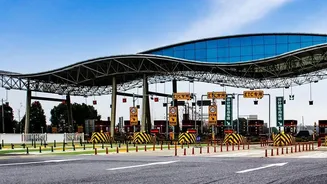
FASTag has made tolling seamless, but it’s not a 'fit and forget' system. A common road trip spoiler is a blacklisted tag due to insufficient balance. Before you leave, check your balance via your bank’s app or the official NHAI portals. It's also wise to set up an auto-recharge facility linked to your bank account to avoid issues on the go. Remember that your FASTag wallet might be separate from your tag account, so ensure funds are in the right place. During a stop, a quick balance check can prevent a major headache at the next toll plaza, where you could be required to pay double the toll in cash if your tag isn't functional. A proactive approach turns the toll plaza into just another landmark you cruise past, not a point of friction.
Fueling as a Strategic Pause
Don't let your fuel gauge dictate your journey. Running low in an unfamiliar, remote area is a needless risk. Use apps like Fuel@IOC, SmartDrive, or Park+ to locate fuel stations along your route and even compare prices. Fuel prices can vary significantly between states, so planning to fill up in a state where it's cheaper can lead to real savings. More importantly, view fuel stops as planned breaks. Instead of a hurried fill-up, use the time to stretch, grab a coffee, or have a snack. This syncs your need for fuel with your body's need for rest. A good rule of thumb is to refuel whenever your tank goes below one-third full, ensuring you always have a buffer for unexpected detours or traffic.
The Crucial Importance of Rest
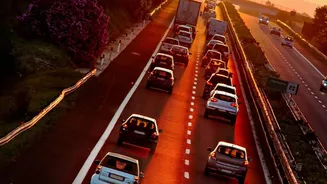
Driver fatigue is one of the biggest dangers on Indian highways. Viewing rest as a delay is a mistake; it's a critical safety measure. Experts recommend taking a 15-minute break for every two hours of driving. These breaks are the perfect opportunity to implement your unified checklist: check your phone for toll notifications and plan your next fuel stop. For longer trips, limit total driving to around 8 hours a day. Sharing the driving load with a co-driver, swapping every 3-4 hours, is an excellent strategy. Remember that driving after 9 PM has been identified as a particularly risky period. A power nap can be far more effective than caffeine. A well-rested driver is a safe driver, able to better enjoy the scenery and react quickly to road hazards.
Your Integrated Checklist in Action
So what does this unified checklist look like in practice? Before the trip: Get your vehicle serviced, especially tyres and brakes. Check your FASTag balance and set up auto-recharge. Download offline maps and a fuel price app. Plan your first day's drive, capping it at around 8 hours, and book your overnight stay. During each rest break (every 2 hours): Step out of the car and stretch. Check your FASTag balance and transaction alerts on your phone. Look at the map and note the location of the next major fuel station from a reputable company. At the end of each day: When you arrive at your hotel, get a full tank of fuel if there's a trusted station nearby, so you are ready to go in the morning. Check your route for the next day, noting any potential traffic or weather issues.