





Have you noticed more butterflies fluttering around your balcony lately? These colourful visitors aren't just there by chance. As autumn sets in, a fascinating ecological shift sends them searching for food in the most unexpected urban spaces.
The Great Autumn Nectar Hunt
As summer
fades and autumn arrives, the natural world begins to prepare for the cooler months. For butterflies, this signals a critical time. The abundance of wildflowers that provided a rich buffet of nectar throughout the monsoon and summer starts to diminish. Shorter days and changing temperatures mean fewer flowers are in bloom in forests and fields. This creates a period of 'nectar scarcity', forcing butterflies to become resourceful explorers in search of their next meal. This is especially crucial for species that are preparing for migration or for those that overwinter as adults, as they need to build up significant energy reserves to survive. Without sufficient food, their chances of completing long journeys or surviving the cold are greatly reduced.
Your Balcony: An Urban Oasis
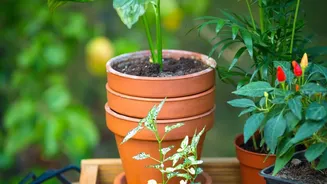
This is where your balcony garden comes into the picture. In the concrete landscape of a city, a collection of flowering plants on a balcony acts like a brightly lit service station on a highway. Urban and suburban gardens often contain late-blooming ornamental plants that are not found in the wild, providing a vital food source when others have disappeared. Butterflies, with their keen senses, are excellent at locating these pockets of sustenance, even high above the ground. A balcony filled with the right flowers can become a crucial refuelling stop, offering the high-energy sugar they need to power their flight and metabolic activity. By cultivating these plants, you are not just decorating your home; you are creating a micro-habitat that supports local biodiversity.
Common Winged Visitors in India
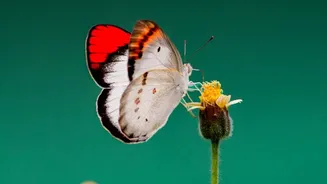
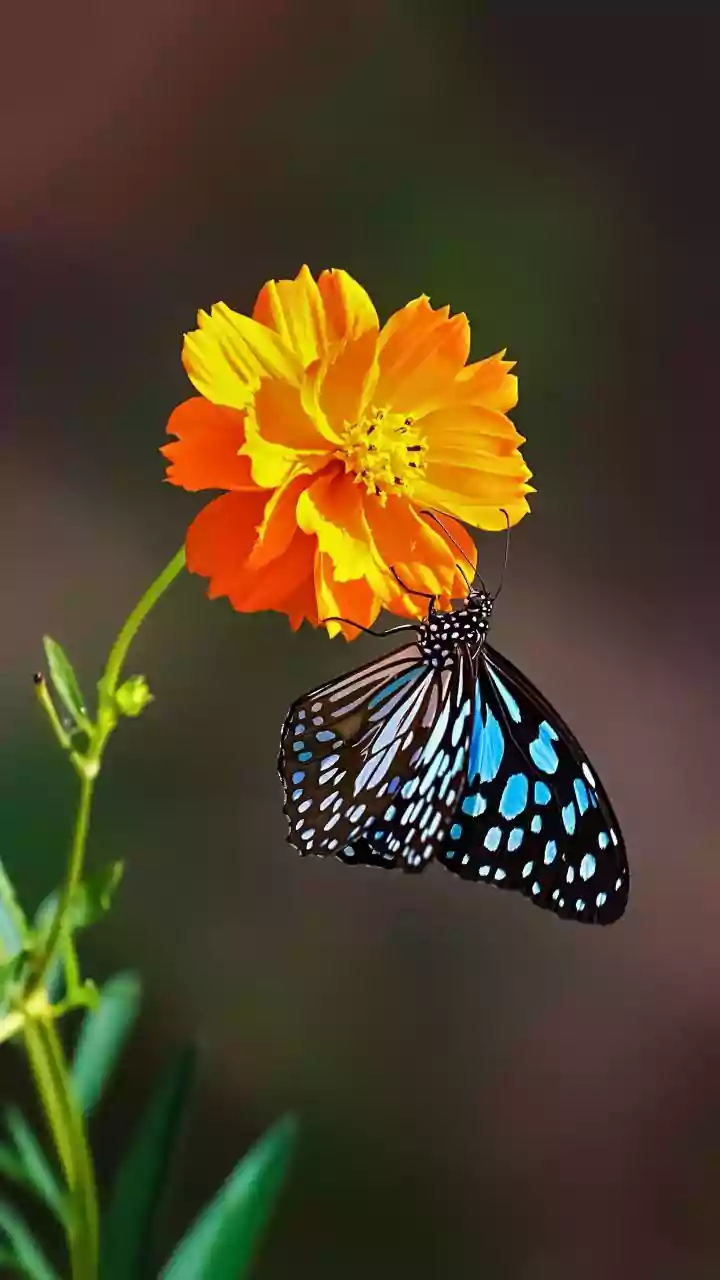
India is home to over 1,300 species of butterflies, each with its own unique beauty. In urban and semi-urban areas, you are likely to spot several common but captivating species, especially during their peak activity seasons in the post-monsoon months. Keep an eye out for the Common Mormon, with its distinct black and white markings, often seen around hibiscus and lantana flowers. The Striped Tiger and Common Crow, both milkweed butterflies, are also frequent visitors. You might also see the small and cheerful Common Grass Yellow, the striking Blue Pansy, or the elegant Common Jezebel. Recognizing these visitors can add another layer of joy to your balcony gardening experience, turning it into a dynamic nature-watching spot.
Create a Butterfly-Friendly Buffet
Attracting these winged jewels is easier than you might think. The key is to plant a variety of nectar_rich flowers that bloom into the autumn. Marigolds are a fantastic choice; their bright yellow and orange colours are highly attractive to butterflies, and they are famously easy to grow in the Indian climate. Lantana, with its clusters of small, colourful flowers, is another butterfly magnet. Other excellent options for pots and containers include Cosmos, Asters, Pentas, and the sacred Tulsi, whose small flowers are a surprisingly rich nectar source. Even climbers like the Butterfly Pea can provide both beauty and sustenance. Planting in clusters is more effective than single plants, as a larger splash of colour is easier for butterflies to spot from a distance.
Beyond the Blooms
While flowers are the main attraction, you can do a bit more to make your balcony a truly welcoming sanctuary. Butterflies also need a place to rest and regulate their body temperature. A flat stone placed in a sunny spot can serve as a perfect basking station. They also require minerals, which they often get from damp soil or puddles in a behaviour known as 'mud_puddling'. You can replicate this by keeping a shallow dish filled with moist sand. Most importantly, avoid using chemical pesticides. These chemicals are harmful to butterflies and other beneficial pollinators like bees, often destroying the very ecosystem you are trying to support. Opt for natural pest control methods to ensure your balcony remains a safe haven.