





A Decade of Global Wellness
This year, on June 21, 2024, India and the world will celebrate the 10th International Day of Yoga. While the practice is thousands of years old, its official global recognition is a more recent phenomenon. The journey began in 2014 when Prime Minister
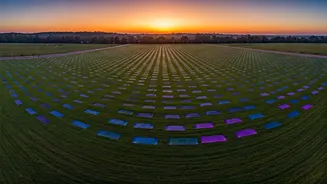
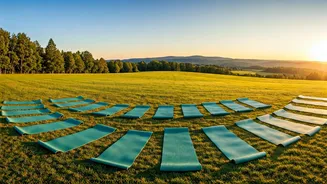
Narendra Modi, in his address to the UN General Assembly, proposed the idea of an international day dedicated to yoga. The resolution was adopted in record time, co-sponsored by an unprecedented 177 nations. The first International Day of Yoga was celebrated on June 21, 2015. Since then, it has grown into a massive global movement, with millions of people rolling out their mats in public parks, city squares, and community halls from New Delhi to New York. This 10th anniversary is a moment to reflect on how a practice rooted in ancient Indian philosophy has become a universal symbol of holistic well-being.
Theme for 2024: Yoga for Self and Society
Each year, the celebration is anchored by a theme that guides the conversation and activities. For its 10th anniversary, the theme is “Yoga for Self and Society.” This powerful message encourages us to look both inward and outward. The “Self” part is what many of us are familiar with: using yoga to cultivate personal peace, physical strength, and mental clarity. It’s about taking responsibility for our own health and happiness. The “Society” aspect, however, expands this vision. It suggests that when individuals are healthier and more balanced, they contribute to a more harmonious and compassionate society. The theme is a call to action, urging practitioners to extend the benefits of their practice beyond their mats and into their communities, promoting unity, empathy, and collective well-being.
Srinagar at the Heart of the Celebration
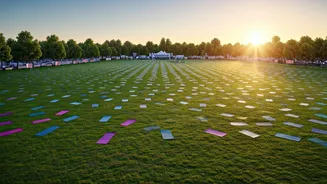
India, as the birthplace of yoga, always hosts a flagship event that sets the tone for the rest of the world. This year, the main national event will be held in Srinagar, Jammu and Kashmir, led by Prime Minister Narendra Modi. The choice of location is significant, highlighting a message of peace, unity, and healing. Thousands are expected to gather on the picturesque banks of Dal Lake to participate in a mass yoga session based on the Common Yoga Protocol (CYP). The CYP is a 45-minute sequence of asanas, pranayama, and meditation, designed by experts to be accessible to people of all ages and fitness levels. It’s a standardized framework that ensures a unified and inclusive experience for participants across the country and the globe.
How You Can Be a Part Of It
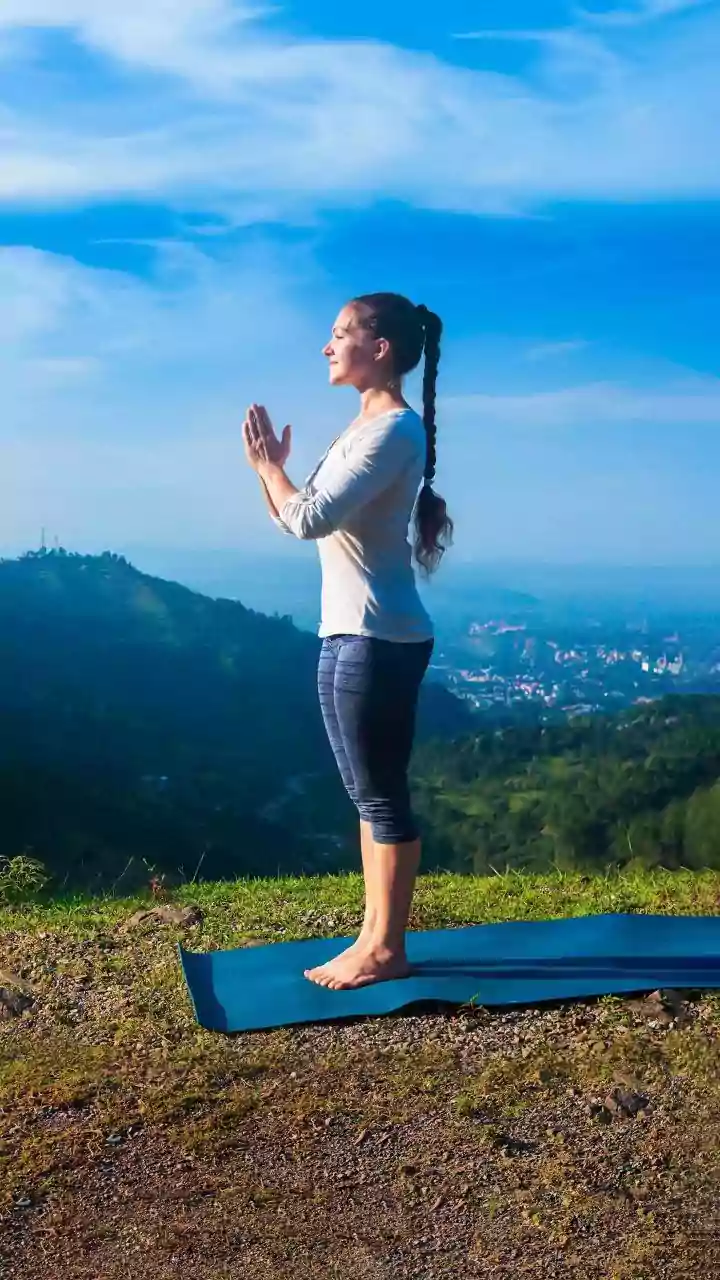
You don't need to be in Srinagar to join the celebration. The spirit of International Yoga Day is decentralized, with countless ways to participate. Many local municipalities, community centres, and yoga studios across India will be organising free sessions and workshops. Check your local news or community boards for events near you. The Ministry of Ayush and other government bodies often stream the main event and offer guided online sessions that you can follow from the comfort of your home. You can also simply take this day as an opportunity to start or deepen your own practice. Roll out a mat in your living room, find a quiet spot in a park, or even practice a few simple breathing exercises at your desk. The goal is participation, not perfection.
Beyond the Physical Postures
While asanas (physical postures) are the most visible part of yoga, they are just one piece of a much larger puzzle. International Yoga Day is a great opportunity to explore the other dimensions of this holistic science. This could mean learning about pranayama (breathing techniques) that can calm the nervous system, or trying dhyana (meditation) to improve focus and reduce stress. The philosophical underpinnings of yoga, such as the principles of yama (social ethics) and niyama (personal observances), offer a timeless guide for living a meaningful and balanced life. This year’s theme, “Yoga for Self and Society,” is a perfect invitation to explore these deeper aspects and understand how the practice can transform not just our bodies, but our entire approach to life.