






The Foundation: Why An Agreement Matters
Before you can fix the problem of a messy or contentious fridge, everyone has to agree that a problem exists. A shared fridge, whether in an office or a home with roommates, is a communal resource. Without clear guidelines, these spaces often fall into
disarray, leading to frustration, wasted food, and even workplace tension. The goal of an agreement isn't to be restrictive; it's to prevent conflict and ensure the space is functional and hygienic for everyone. By establishing rules together, you create a system of shared responsibility, making it a team effort rather than a top-down mandate.
Rule 1: The Power of the Label
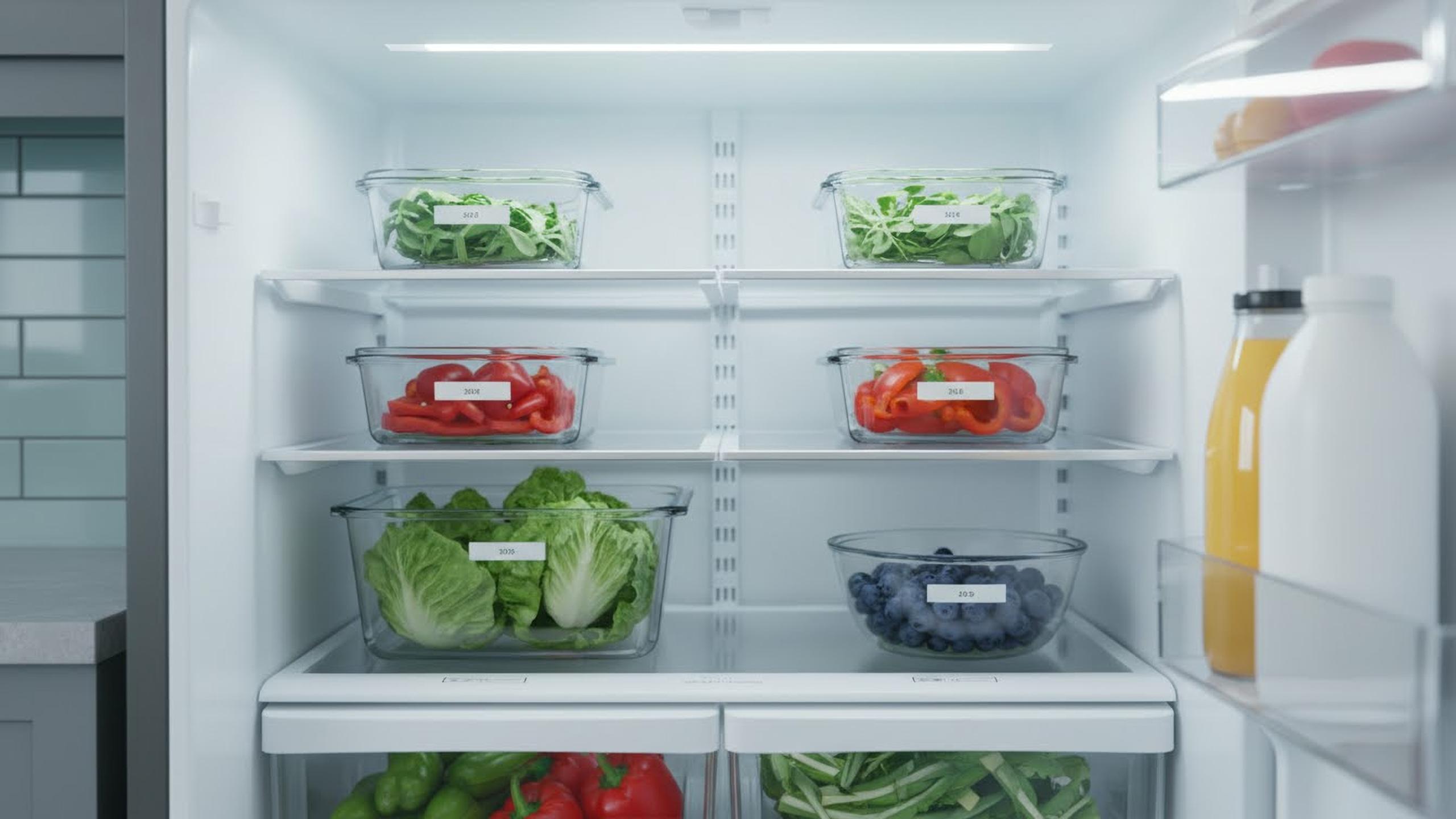
This is the most critical rule for fridge harmony: label everything. Unidentified containers and mysterious packages are the primary cause of fridge clutter and accidental food theft. Provide a roll of masking tape and a permanent marker right next to the fridge to make it easy for everyone to participate. Labels should include the person's name and, just as importantly, the date the item was placed in the fridge. This simple act eliminates guesswork, makes it clear what's up for grabs, and helps identify food that is past its prime during clean-outs.
Rule 2: Designate Fridge Zones
A little organization goes a long way in preventing fridge chaos. Instead of a free-for-all, assign specific zones within the refrigerator. This could mean assigning a shelf to each person or team, or creating designated areas for different types of items. For example, keep the door for shared condiments like milk and butter, one shelf for personal lunches, and a specific drawer for raw ingredients. Using clear plastic bins can help contain individual items and prevent smaller things from getting lost in the back. This system not only keeps things tidy but also makes it easier for people to find their items quickly, reducing the time the door stays open.
Rule 3: The Weekly Purge
Even with the best intentions, things get forgotten. To prevent the fridge from becoming a science lab, a regularly scheduled clean-out is essential. Friday afternoons are a popular time for this, as it clears the space before the weekend. Post a clear policy that any unlabeled items or items past their labeled date will be discarded at a specific time each week. Send a friendly reminder email or put a note on the fridge a day in advance. This 'one warning then out' policy encourages people to take responsibility for their food and keeps the fridge from becoming a graveyard for leftovers.
Rule 4: Spills, Smells, and Common Courtesy
An agreement should also cover basic etiquette. A core rule must be: if you make a mess, you clean it up immediately. Spills and food residue can become unhygienic quickly. Additionally, be considerate of strong-smelling foods; ensure they are in airtight, fully sealed containers to prevent odors from permeating the entire fridge and office. Finally, common courtesy is key. Don't take up more space than you need, especially if storage is limited, and never assume something is communal unless it's clearly labeled as such.