


More Than Just Pakoras
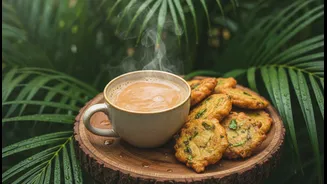
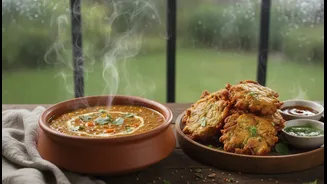
When the first rains hit, an unspoken national menu comes into effect: hot chai, crispy bhajiyas, and roasted corn on the cob. These are timeless, beloved classics, a comforting ritual against the grey skies. Yet, for a country with an immense and varied
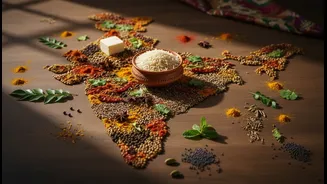
culinary landscape, our mainstream monsoon diet feels surprisingly limited. The rainy season across India ushers in a unique bounty of ingredients and hyperlocal recipes, many of which remain hidden within home kitchens and specific communities. From foraged greens and special tubers to seasonal fish, there is a whole world of monsoon cuisine waiting to be discovered. While restaurants often add a few fried snacks to their menus, it's a surface-level nod to a season that deserves a much deeper culinary exploration.
A Cornucopia of Regional Delights
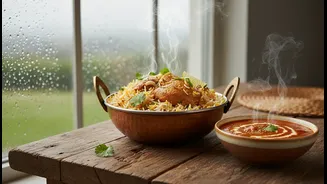
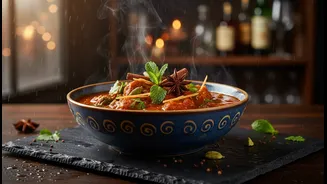
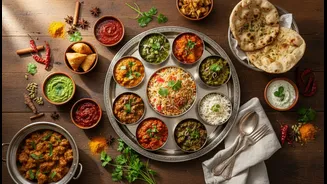
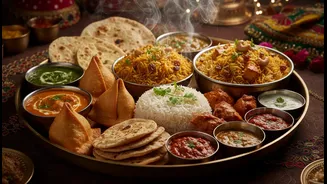
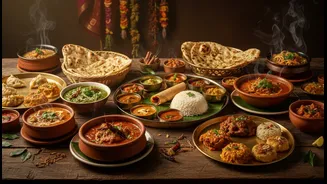
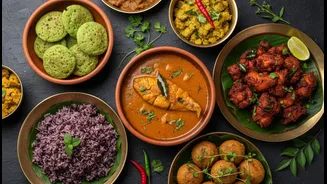
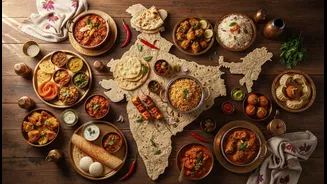
Imagine a food festival that truly celebrates the rains. In Bengal, this would mean honouring the prized Hilsa fish, perhaps with a classic Khichuri. From Maharashtra, beyond the vada pav, one could savour a comforting Bombil Bhujna (Bombay Duck curry). Goan stalls could serve spicy sausage and vindaloo, while Karnataka offers the crispy Maddur Vada. Further north, Delhi's Singhade ki Sabzi (water chestnut curry) provides a nutritious boost, and Rajasthani kitchens could serve Ghewar, a traditional monsoon sweet. These festivals would become a platform for chefs and home cooks to showcase dishes that are deeply tied to the season and their region, offering diners an authentic taste of India's diverse monsoon traditions.
An Economic and Cultural Lifeline
For restaurants, the monsoon can be a challenging period with lower footfalls. A dedicated food festival offers a powerful business hook. It creates a compelling reason for people to dine out, turning a lean season into a vibrant, profitable one. These events are excellent marketing platforms, allowing restaurants to attract new customers, test innovative menus, and generate buzz. More importantly, by focusing on regional and often rustic cuisines, these festivals play a crucial role in preserving culinary heritage. They provide a stage for disappearing recipes, support local farmers who grow seasonal produce, and connect a new generation of urban diners with the stories and traditions behind their food.
Crafting the Modern Monsoon Festival
The success of such festivals is already being demonstrated in pockets across the country, with hotels and restaurants curating special monsoon menus and pop-ups that go beyond the obvious. A successful city-wide monsoon festival would be a curated experience, not just a collection of stalls. It could feature chef collaborations, tasting menus that pair regional dishes with local beverages, and workshops on traditional cooking techniques. It's a chance to innovate, as seen with modern interpretations like Jamun Chaat Tarts or Miso Butter Bhutta. The focus should be on storytelling—explaining why a particular dish is eaten during the monsoon, its ingredients, and its cultural significance. This transforms a simple meal into an immersive cultural experience.