






Ziro's Allure: More Than a Destination
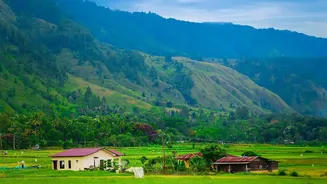
Nestled in the lower Subansiri district of Arunachal Pradesh, Ziro Valley is a world away from the clamour of modern life. It's a landscape painted in vibrant greens, where terraced paddy fields are meticulously managed alongside fish cultivation. This
is the heartland of the Apatani people, a community renowned for its deep-rooted ecological wisdom and sustainable living practices, which has earned the valley a nomination as a UNESCO World Heritage Site. The Apatani have perfected a system of agriculture that requires no machines and minimal external inputs, relying on generational knowledge of water management and forest conservation. Visiting Ziro isn't just about seeing a beautiful place; it's about experiencing a living culture that has maintained a harmonious relationship with nature for centuries.
The Essential First Step: Your Inner Line Permit
Before you can witness this beauty, there is a crucial administrative step: securing an Inner Line Permit (ILP). The ILP is a mandatory travel document for all Indian citizens who are not residents of Arunachal Pradesh. This system, rooted in the colonial-era Bengal Eastern Frontier Regulation of 1873, remains in place to protect the state's distinct tribal cultures and manage entry into this sensitive border region. Entry checkpoints are strictly enforced, and you will be turned away without a valid permit. It is not an optional document but a legal requirement for entry. Foreign nationals require a different document called a Protected Area Permit (PAP), which involves a separate process handled by registered tour operators.
How to Apply for Your eILP
Thankfully, the process of obtaining a tourist eILP is now straightforward and can be done online. You can apply through the official government portals like eilp.arunachal.gov.in or arunachalilp.com. You will need to register with your mobile number, fill in your personal details, and specify your travel dates and the districts you plan to visit, including Ziro (Lower Subansiri). Required documents include a clear passport-sized photograph and a scanned copy of a valid government-issued photo ID like an Aadhaar card, Voter ID, or passport. The fee is typically around ₹100-₹500 depending on the duration of your stay, which is usually for up to 14 days for tourists. While approvals can be quick, it's best to apply at least a few days before your trip. Always carry both a digital and a printed copy of your approved ILP.
Embracing the Homestay Culture
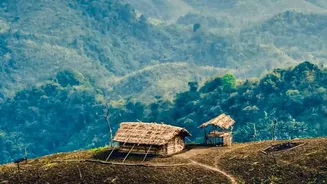
The best way to experience Ziro is by staying in a local homestay. These are not just places to sleep; they are gateways into the Apatani way of life. Homestays offer an authentic glimpse into the community's culture, from the architecture of their bamboo houses to their unique culinary traditions. Sitting by the central hearth, sharing a meal, and listening to stories from your hosts offers a far richer experience than a conventional hotel could provide. Choosing a homestay also directly supports the local economy, ensuring that your tourism money benefits the community you are visiting. During peak times like the Ziro Festival of Music, booking well in advance is essential as accommodations fill up quickly.
The Rules of a Responsible Guest
Staying in a homestay comes with the responsibility of being a respectful guest. The concept of sustainability is not a new trend here; it is a way of life. Your hosts expect you to participate in this ethos. A primary rule is to minimise waste, especially plastic. Avoid bringing single-use plastics and carry your own reusable water bottle. Respect local customs and traditions; always ask for permission before photographing people or entering their homes or sacred spaces. Conserve water, as it is a precious community resource managed through intricate, traditional systems. Many homestays are working to uphold quality standards in line with responsible tourism guidelines, and your cooperation is key to their success.
Beyond the Homestay: A Conscious Traveller's Guide
Responsible tourism in Ziro extends beyond your accommodation. When exploring the villages and surrounding nature, stick to designated paths to avoid damaging the delicate rice fields. Support the local economy by purchasing authentic handicrafts directly from artisans and hiring local guides who can offer invaluable insights into their culture and environment. Be mindful of noise levels and respect the tranquil atmosphere of the valley. Remember, you are a guest in a community that has opened its doors. The goal is to leave Ziro just as pristine and culturally rich as you found it, ensuring it remains a sanctuary for generations to come.