








An Ambitious Blueprint for AI
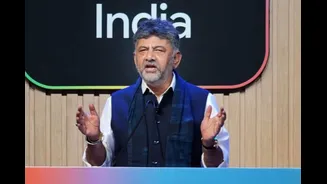
On July 14, 2026, at the Google I/O Connect event in Bengaluru, Chief Minister D.K. Shivakumar unveiled the ambitious plan. The vision is to make Karnataka an "AI-native state" by deeply integrating artificial intelligence into governance, industry, and
daily life. The proposal includes a main 100-acre campus in Bengaluru and regional centres across other cities like Mysuru, Mangaluru, and Hubballi-Dharwad. Alongside the university, the government will launch an AI Hub to act as an incubator for startups and a collaboration space for companies. The entire initiative is designed to create a comprehensive ecosystem that bridges the gap between academia, industry, and government.
Lesson 1: What Students Should Know
For students, this announcement is a clear indicator of where the high-value jobs of the future will be. The government's focus on creating a specialised talent pipeline means that expertise in AI, machine learning, and data science will be in greater demand than ever. The plan also hints at a broader shift in education, with the government aiming to introduce AI learning from the school level onwards. The key takeaway for students is the urgent need to pursue practical, hands-on skills. Theoretical knowledge alone will not suffice. Industry leaders have noted that companies are now hiring individuals who can apply AI to solve real-world problems. This university signals a move away from generalist degrees towards specialised, industry-aligned qualifications. Aspiring tech professionals should look for opportunities to engage with AI, whether through formal courses, online certifications, or practical projects.
Lesson 2: What Researchers Should See
The research community should view this as a significant opportunity for focused innovation. The creation of a dedicated AI university and an accompanying innovation hub suggests a future with more concentrated funding, state-of-the-art infrastructure, and a clear mandate for advanced R&D. The government has explicitly stated its goal to foster collaboration between academia and industry, which could translate into more sponsored research projects and pathways to commercialise new technologies. The state's plan to build new green data centres also points to the development of robust infrastructure needed to support large-scale AI research and cloud computing. For researchers, this is a call to align their work with applied challenges in sectors like healthcare, agriculture, and governance, which the Chief Minister highlighted as key areas for AI-driven improvement.
Lesson 3: What Employers Can Expect
Technology employers, both large corporations and startups, stand to gain immensely. The most direct benefit is the creation of a reliable talent pipeline of AI-proficient graduates, addressing a major skills gap in the industry. The AI Hub is designed to function as an incubation centre, creating partnership opportunities and a fertile ground for innovation that companies can tap into. The government has also openly invited major tech players like Google to deepen their partnership with the state in building AI solutions. For employers, the lesson is to prepare for deeper public-private partnerships. Companies that engage with the university and the broader AI ecosystem—through curriculum development, internships, and joint research—will have the first pick of emerging talent and technologies, solidifying their competitive edge in a rapidly evolving market.