





Master Your Fuel Strategy
Fuel is the single largest expense on any road trip, but managing it goes beyond just filling the tank. Before you leave, use an online calculator to get a baseline estimate. The formula is simple: (Total Distance / Vehicle Mileage) x Price per Litre.
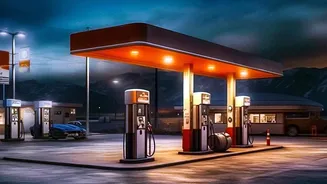
For a 1000 km trip in a car that gives 15 km/l with petrol at ₹105/litre, that's roughly ₹7,000. Always add a 15-20% buffer for city driving, air conditioning use, and hilly terrain, which can reduce mileage. Fuel prices vary between states due to different tax structures. A smart hack is to check prices in the states you'll be crossing and plan your full-tank stops in the cheaper state. Never let your tank run below a quarter full, especially on less-traveled highways where reliable fuel stations can be sparse. Apps like Mappls can help locate petrol pumps along your route. A pre-trip vehicle service checking tyre pressure and cleaning air filters can also significantly improve fuel efficiency.
Navigate Tolls Seamlessly with FASTag
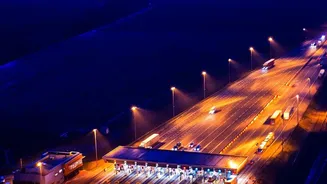
Gone are the days of fumbling for cash at toll plazas. FASTag is mandatory for all four-wheelers, and entering a FASTag lane without a functional tag means you'll be charged double the toll fee. Ensure your tag is working and has sufficient balance before you start. Your FASTag is linked to a prepaid wallet or a bank account. You can recharge it through your bank's app, UPI apps, or the official issuer's portal. It's wise to set up auto-recharge if available. To budget for tolls, you can use apps like TollGuru or the RajmargYatra app, which provide trip cost estimates including toll charges for your specific route. This helps you avoid surprises and ensures you have a clear picture of your total travel cost. Keep your FASTag wallet app handy on your phone to quickly check your balance or troubleshoot any issues on the go.
Prepare for Unpredictable Weather
Indian weather can turn a pleasant drive into a challenging ordeal. Especially during the monsoon season (June-September), roads can be unpredictable. Waterlogging, landslides in hilly areas, and reduced visibility are common risks. Before you leave, check the weather forecast not just for your destination but for the entire route. A basic monsoon car check is crucial: ensure your wipers are new and effective, tyres have good tread for wet grip, brakes are in top condition, and your defogger works. Driving on wet roads requires a gentle approach—reduce speed, maintain a greater distance from the vehicle ahead, and brake gently to avoid skidding. Never attempt to drive through waterlogged streets if you cannot gauge the depth; it is always safer to wait or find an alternate route. An emergency kit with a torch, first-aid supplies, a towel, and a power bank is a non-negotiable part of your monsoon road trip preparation.
Create Your All-in-One Digital Trip Folio
The key to a relaxed trip is keeping all this vital information in one accessible place. Forget scattered paper notes and screenshots. Create a single digital note or document that acts as your central trip hub. You can use apps like Google Keep, a dedicated trip planning app like Wanderlog, or simply a shared document. Your digital folio should include: 1. Route & Stops: The final Google Maps route, including planned stops for food, fuel, and sightseeing. 2. Budget Tracker: A simple table with your estimated costs for fuel, tolls, food, and lodging. Track expenses as you go. 3. Vehicle Documents: Scanned copies or clear photos of your car's RC, insurance, and PUC certificate. Also save roadside assistance and insurance contact numbers. 4. Emergency Contacts: Numbers for hotels, and contacts for friends or family at your destination. 5. Checklists: Your packing list and a pre-departure vehicle check reminder. By consolidating everything, you're not just organised; you’re buying yourself peace of mind, allowing you to focus on the road and the adventure ahead.