


Welcome to the Land of Clouds
Sohra, famously known as one of the wettest places on earth, is more than just a rain-soaked town; it's an immersive experience in the heart of the East Khasi Hills. About 55 kilometres from Shillong, the drive itself is a scenic journey with viewpoints
revealing deep valleys often shrouded in mist. While its reputation for rainfall is legendary, Sohra has blossomed into a premier destination for adventurers and nature lovers. The region's unique climate and topography have created a world of breathtaking waterfalls, mysterious caves, and, most remarkably, the ingenious living root bridges, a testament to the harmony between the Khasi people and their environment.
A Symphony of Waterfalls
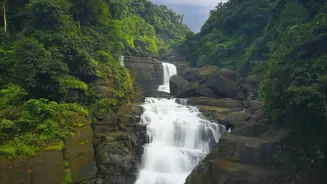
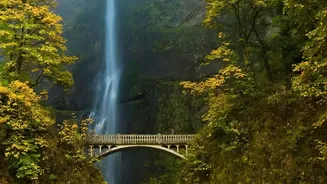
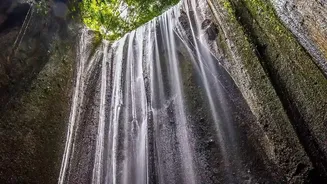
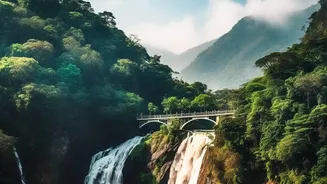
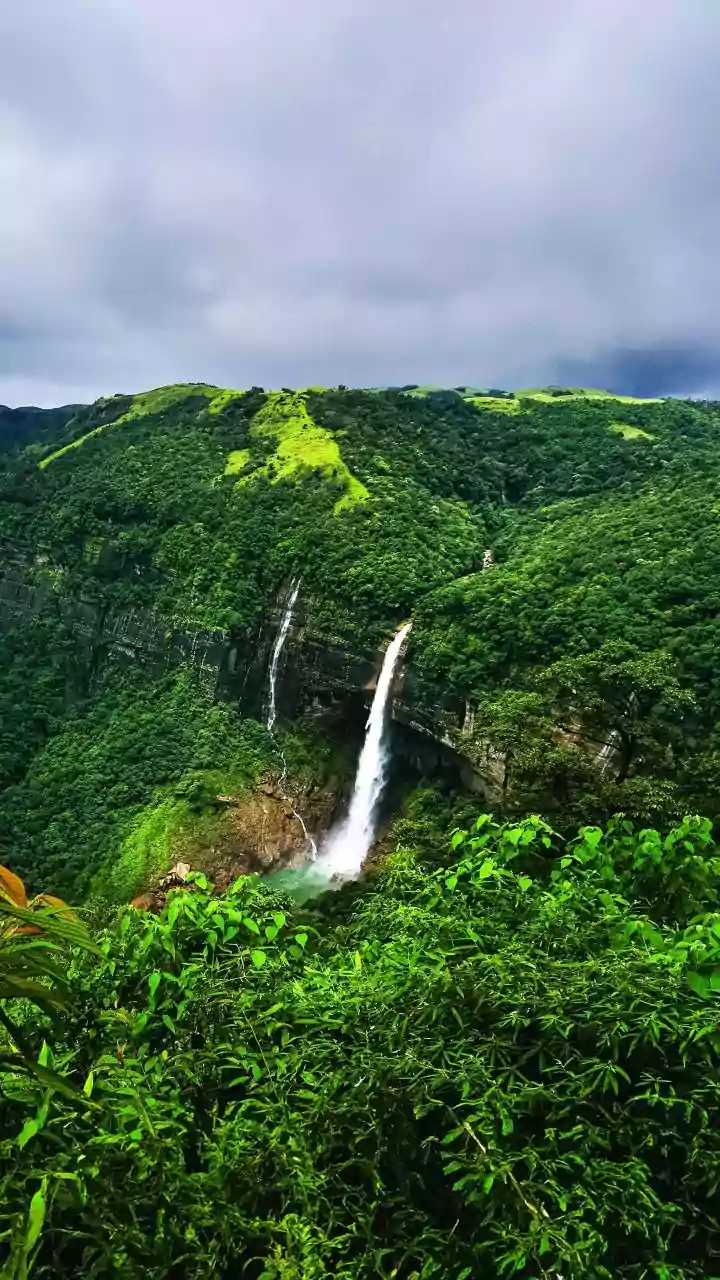
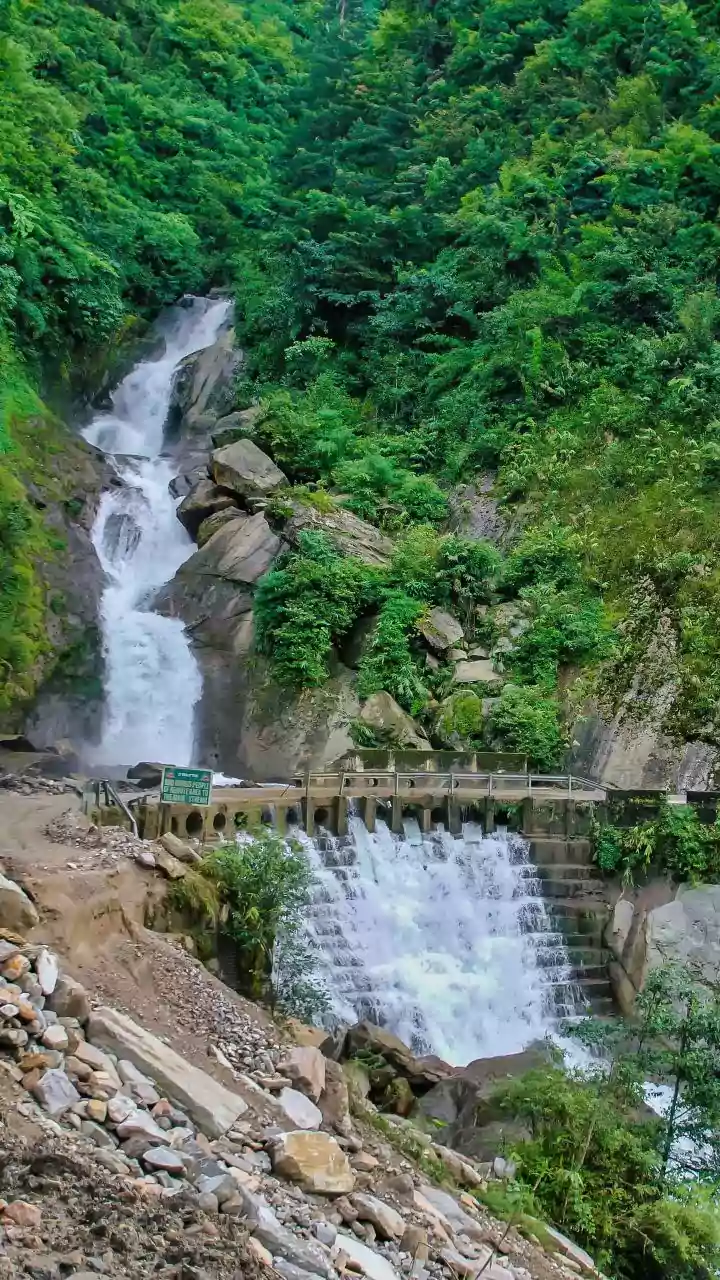
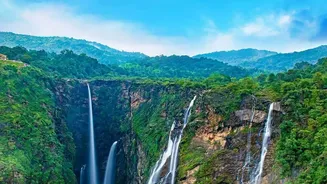
The landscape around Sohra is dominated by the sound and sight of cascading water. Among the most awe-inspiring is Nohkalikai Falls, India's tallest plunge waterfall, dropping from a height of 340 metres. Its name carries a tragic local legend of a woman named Likai, adding a layer of poignant history to its beauty. Another must-see is the Seven Sisters Falls, or Nohsngithiang Falls, where seven distinct streams cascade over limestone cliffs, creating a mesmerising spectacle, especially during the monsoon. For a touch of folklore, visit Dainthlen Falls. Legend has it that this is where a giant, malevolent serpent known as 'U Thlen' was defeated by locals, and the natural rock formations are said to bear marks from the epic battle.
Engineering by Nature
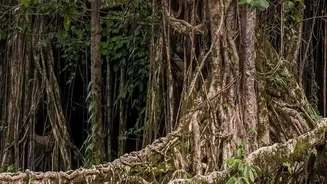
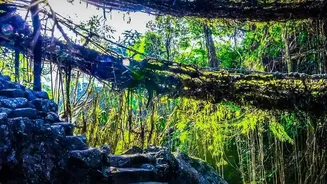
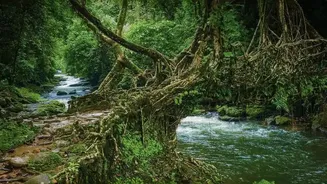
The true marvel of Meghalaya, and Sohra's most unique attraction, are the living root bridges. These are not constructed but meticulously guided over years, sometimes centuries, by the Khasi tribes from the aerial roots of the Ficus elastica (rubber fig) tree. The roots are woven together across rivers and streams, eventually growing strong enough to support human weight. While there are several single-decker bridges in the area, the most famous is the Jingkieng Nongriat, better known as the Double Decker Root Bridge. Located in the remote village of Nongriat, this two-tiered structure is a stunning example of bio-engineering and a powerful symbol of indigenous wisdom. These living structures can last for over 500 years, growing stronger with time.
The Journey to the Double Decker
Reaching the Double Decker Root Bridge is an adventure in itself. The journey begins from Tyrna village, a short drive from Sohra. From there, a challenging but rewarding trek awaits, involving a descent of approximately 3,500 stone steps into a lush valley. The trail, which takes about 90 minutes to two hours one-way, leads you through dense forests, past smaller villages, and across swaying suspension bridges over turquoise streams. The physical effort is significant, especially the climb back up, but the sight of the magnificent Double Decker bridge, spanning a clear river with natural pools perfect for a refreshing dip, makes it an unforgettable experience.
Your Essential Sohra Itinerary
Planning your trip to Sohra depends on the experience you seek. To see the waterfalls in their most powerful and dramatic form, visit during the monsoon season from June to September. However, be prepared for heavy rain and mist that can obscure views. For clearer skies, more comfortable trekking conditions, and better accessibility to the root bridges, the post-monsoon months from October to February are ideal. Sohra is accessible by road from Shillong (approx. 2 hours) and Guwahati (approx. 4-5 hours). When trekking to Nongriat, wear comfortable clothing, sturdy shoes, and carry water. Local guides are available and can enhance the experience with their knowledge of the trails and stories.