



From Solo Acts to a Robotic Team
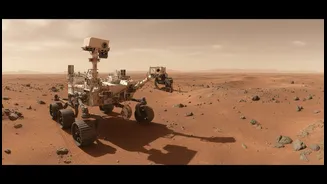
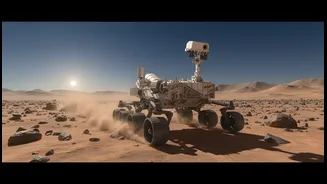
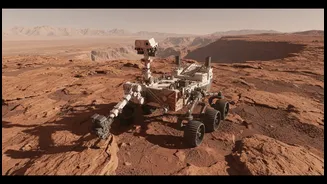
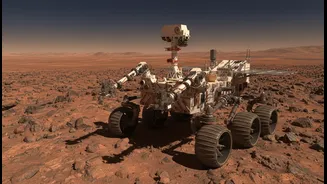
For decades, our robotic exploration of Mars has been a story of remarkable individuals. Rovers like Spirit, Opportunity, and the still-active Curiosity and Perseverance have acted as lonely geologists, trekking across the planet to analyze rocks and search
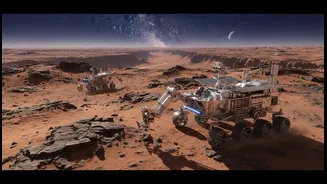
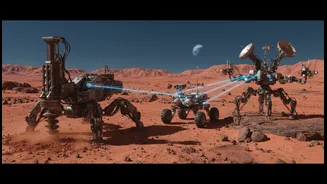
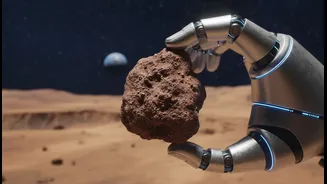
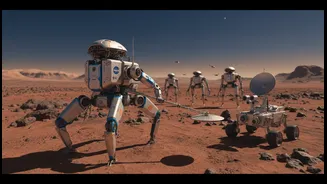
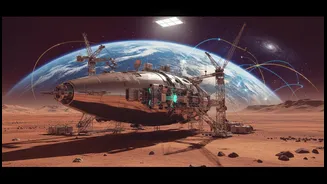
for signs of past habitability. They have sent back breathtaking images and invaluable data, but they have largely worked alone. The next generation of machines is built on a different philosophy: teamwork. The primary driver for this shift is the ambitious Mars Sample Return (MSR) campaign, a joint effort with the European Space Agency (ESA) designed to do something never done before: bring pieces of the Red Planet back to Earth. This complex undertaking requires multiple robotic players working in perfect sync.
The Main Event: Mars Sample Return
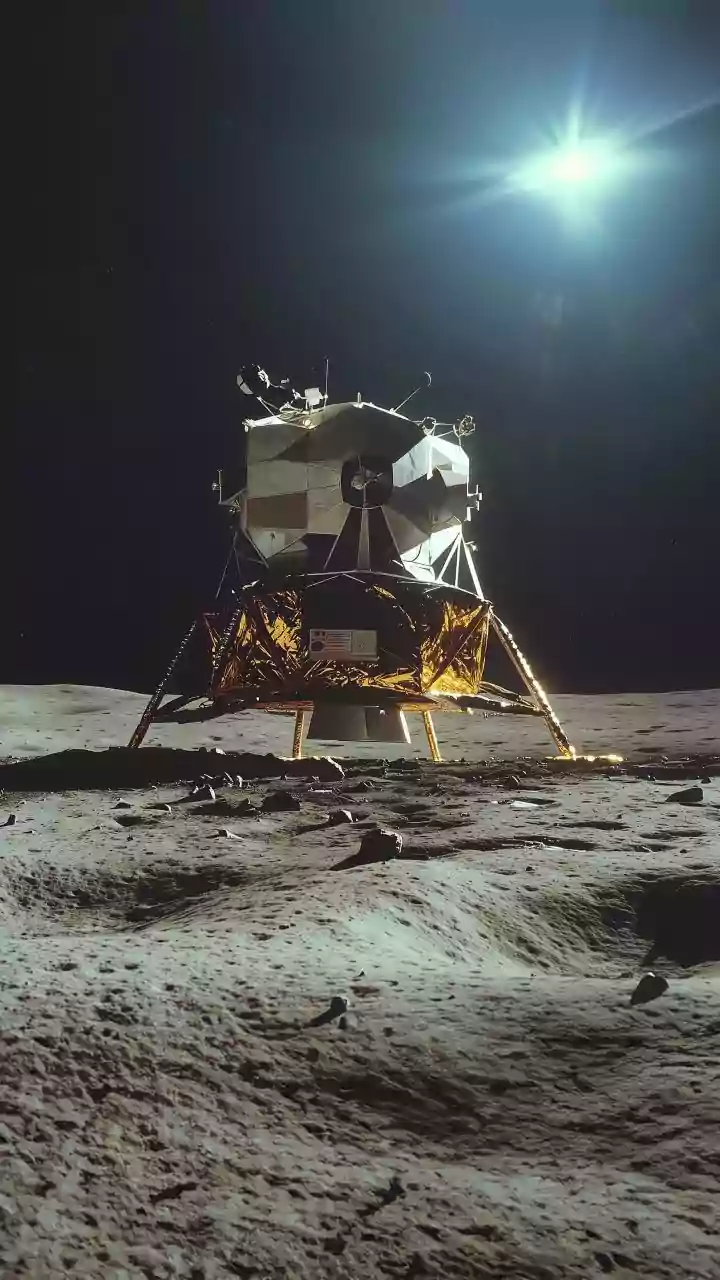
The MSR mission is the cornerstone of NASA's near-term Mars strategy. It began with the Perseverance rover, which has been drilling and caching scientifically selected rock and soil samples since its arrival in 2021. As of early 2024, it had already collected over 20 rock cores and other samples, storing some on board and placing a backup depot on the Martian surface. The next phase, scheduled for the late 2020s and early 2030s, involves launching a new set of robots to retrieve these precious tubes. A Sample Retrieval Lander will touch down near Perseverance, carrying a Mars Ascent Vehicle (MAV) and two small helicopters. The plan relies on Perseverance’s durability, as it is expected to be the primary vehicle for delivering the samples to the lander.
Meet the New Recruits
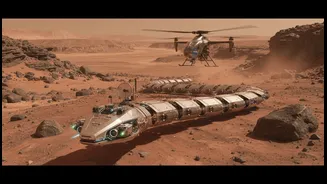
The stars of the new generation are the Sample Recovery Helicopters. Based on the groundbreaking design of Ingenuity, which completed 72 flights and proved powered flight was possible on Mars, these new helicopters will serve as a crucial backup. If Perseverance is unable to deliver its samples, the helicopters will be deployed to fly out, locate the cached tubes on the surface, and carry them back to the lander. Once the samples are secured, ESA's Sample Transfer Arm will load them into the MAV, which will then launch into Mars orbit. There, another spacecraft, the ESA-built Earth Return Orbiter, will capture the container and begin the long journey home, with an anticipated arrival in the mid-2030s.
Beyond Sample Return: A New Era of Mobility
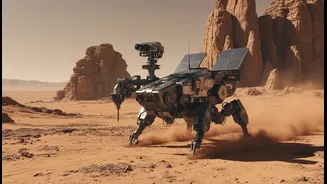
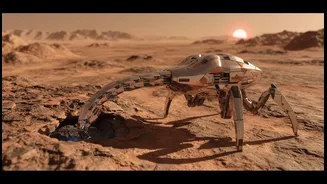
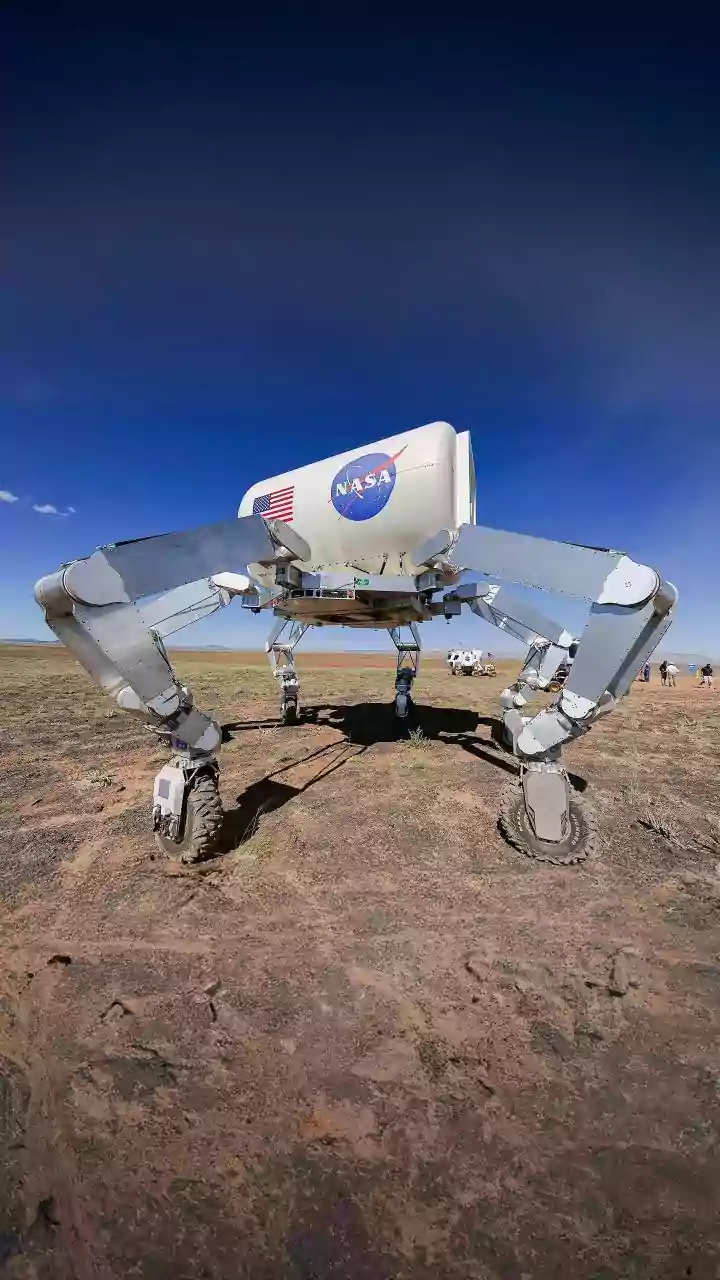
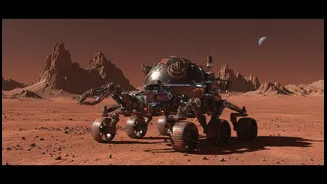
The focus on new robotic capabilities extends beyond MSR. NASA is also developing prototypes for rovers that can conquer terrain inaccessible to current designs. One such prototype, ERNEST (Exploration Rover for Navigating Extreme Sloped Terrain), uses an active suspension system and four-wheel steering to navigate steep slopes and difficult landscapes. Having recently completed successful field tests in the California desert, technologies from ERNEST could inform future rovers designed for long-range, high-speed exploration on both the Moon and Mars. Furthermore, NASA is investing in commercial partnerships through its STRIDE initiative to develop innovative robotic mobility systems, signaling a broader strategy to leverage private sector innovation. Another exciting mission is SkyFall, slated for a 2028 launch. It will deploy three advanced helicopters mid-descent to map subsurface water ice and scout safe landing sites for future human missions, operating completely independently of a rover.
Why This New Generation Matters
This new robotic ecosystem represents more than just technological progress; it is a strategic evolution in how we explore other worlds. Bringing Martian samples to Earth will allow scientists to use analytical instruments far more powerful than anything that can be sent on a rover, potentially answering the profound question of whether life ever existed on Mars. The development of advanced helicopters like those for the SkyFall mission and versatile rovers like ERNEST paves the way for a more dynamic and extensive exploration of the planet. These missions serve as crucial pathfinders, testing the technologies and collaborative strategies needed to one day send astronauts to the Red Planet. By building a team of specialized robots, NASA is laying the groundwork for decades of discovery.