








The Promise of Seamless Travel
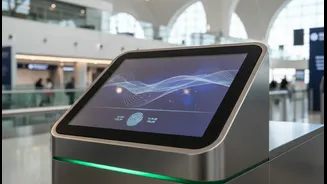
Launched in 2022, DigiYatra aims to create a paperless and contactless airport experience. The pitch is simple and alluring: your face is your boarding pass. By registering on the app with an Aadhaar-verified selfie, passengers can breeze through dedicated
e-gates at security and boarding. The system has seen rapid adoption, with over 24 million app downloads and a presence at 38 airports, with plans to expand to 27 more. The government and the Digi Yatra Foundation, the not-for-profit body that runs it, highlight its remarkable efficiency. Officials state that the system can cut airport entry processing time from a manual 15 seconds to just five seconds per passenger. In a country where air passenger traffic is projected to hit 500 million annually by 2030, this promise of speed and efficiency is not just a convenience; it's presented as a necessity to manage future growth and prevent airport congestion.
A Question of Real Choice
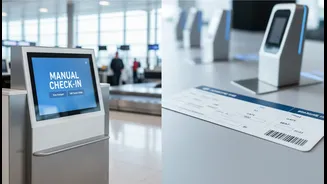
Officially, DigiYatra is a completely voluntary service. The Ministry of Civil Aviation has consistently maintained that manual processing lanes will always remain an option for those who choose not to enroll. However, the experience on the ground often tells a different story. Passengers have frequently reported feeling nudged or even coerced into signing up. Common complaints include airport layouts where non-DigiYatra queues are significantly longer or harder to find, and staff actively persuading travellers to download the app, sometimes giving the impression that it is mandatory. The line between voluntary and mandatory became particularly blurred in June 2026, when several reports claimed the service had been made compulsory for international transit passengers at four major airports. While authorities later clarified that this was a miscommunication and the service remained optional, the incident highlighted the growing confusion and pressure surrounding its adoption. When the more efficient path becomes the default, the ability to opt-out can feel less like a genuine choice and more like a penalty.
Is Your Data Really Yours?
Beyond the issue of consent at enrollment, the core of the debate lies in data privacy. The Digi Yatra Foundation asserts the system is built on a 'privacy-by-design' principle. They state that no central database of passenger biometric data exists; instead, an encrypted token is stored securely on the user's own phone. This data is shared with the airport for a limited duration and is supposed to be purged from airport servers within 24 hours of the flight. However, privacy advocates and legal experts remain concerned. In March 2026, a Public Interest Litigation (PIL) was filed in the Kerala High Court, raising questions about data protection standards and compliance with India's Digital Personal Data Protection (DPDP) Act. The case highlights the lack of a fully functional Data Protection Board to adjudicate complaints, leaving passengers with few avenues for grievance redressal if their data is misused. For many citizens, the question isn't just about efficiency; it's about whether they are trading their sensitive biometric data for a faster queue without adequate safeguards or recourse.
The Inevitable Path Forward?
DigiYatra is not just an app; it's a foundational piece of what its CEO envisions as the 'Travel Stack of India'—a secure identity verification system for both physical and digital gateways. The expansion plans are aggressive, with the goal of covering nearly 80% of domestic air travellers by 2028 and exploring international interoperability. Upcoming greenfield airports at Navi Mumbai and Jewar are being designed to be DigiYatra-enabled from the start. This deep integration suggests that while DigiYatra may be technically optional today, it is being woven into the very fabric of Indian aviation infrastructure. As the system becomes more widespread and efficient, the practical experience of not using it may become increasingly difficult, further blurring the line between a choice and an inevitability. The challenge for policymakers will be to ensure that as the system scales, the principles of privacy and consent scale with it, rather than being treated as secondary concerns.