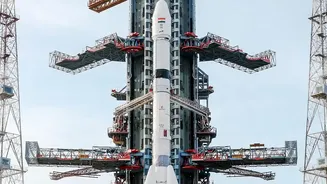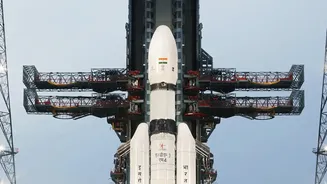


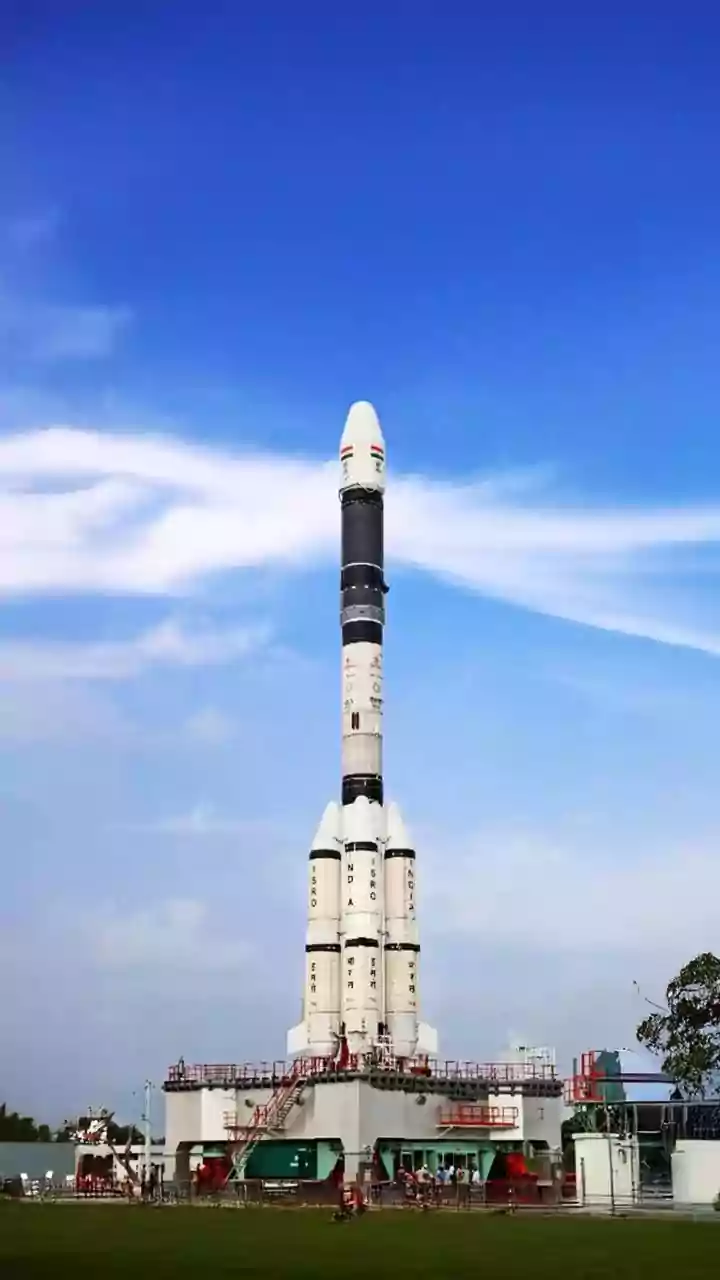



A New Space Age for India
For decades, India's journey into space was almost exclusively driven by the Indian Space Research Organisation (ISRO). However, landmark policy reforms starting in 2020 have opened the final frontier to private enterprise. The establishment of the Indian National
Space Promotion and Authorisation Centre (IN-SPACe) created a single-window interface for private companies to participate in space activities, using ISRO facilities and receiving regulatory approvals. This strategic shift is designed to let ISRO focus on advanced research and development, while private players handle manufacturing and commercialisation, a model intended to grow India's share of the global space economy from its current 2-3% to a projected 8% by 2033.
The Rise of Technical Superstars
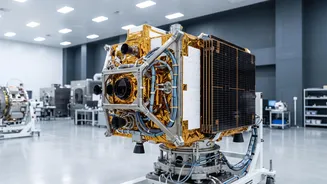
The most immediate impact of this boom is a surge in demand for highly specialised technical talent. Startups like Skyroot Aerospace, which is developing its own line of launch vehicles, and Agnikul Cosmos, known for its 3D-printed rocket engines, are aggressively hiring engineers. Key roles include aerospace, mechanical, and electronics engineers who design and build rockets and satellites. Beyond the hardware, there's a growing need for aerospace software engineers with skills in C++ and Python to develop flight software, mission control systems, and autonomous navigation. As startups like Pixxel build constellations of hyperspectral imaging satellites, a new class of data scientists and remote sensing specialists is emerging to analyse the terabytes of data beamed back to Earth for applications in agriculture, climate monitoring, and urban planning.
Beyond the Rocket Scientists
The space boom isn't just for engineers. As the sector commercialises, a parallel ecosystem of business and support roles is rapidly taking shape. These new space companies require financial analysts to manage massive capital investments, and venture capitalists who understand the long-term bets of deep-tech innovation. With complex domestic and international regulations to navigate, there is an emerging niche for space lawyers and policy experts. Furthermore, roles in supply chain management, high-precision manufacturing, business development, and marketing are becoming crucial as companies move from the drawing board to delivering products and services to a global market.
Fueling a Startup Ecosystem
India is now home to over 400 space startups, creating a vibrant ecosystem of innovation. This entrepreneurial wave is spawning a new generation of founders, product managers, and strategists. Companies such as Dhruva Space, which offers satellites and ground station services, and Digantara, which focuses on space traffic monitoring, showcase the diverse opportunities available. This growth is attracting talent from adjacent industries like automotive, defence, and telecommunications, who bring valuable expertise in precision manufacturing, robotics, and AI. The government is further fuelling this growth with venture funds and technology transfer programs, helping to de-risk early-stage ventures and accelerate innovation.
Challenges on the Launchpad
Despite the momentum, the path ahead has challenges. The demand for specialised talent currently outstrips supply, creating a bottleneck for some companies. While veterans from ISRO are moving to the private sector, bringing invaluable experience, a much larger pipeline of skilled professionals is needed. The industry is capital-intensive, and while funding has increased, it pales in comparison to investments in the US and Europe. Ensuring that regulatory frameworks for aspects like liability and insurance keep pace with technological development will also be critical for sustained growth.