









Why a Teaspoon of Water Matters
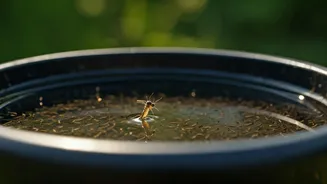
It’s easy to dismiss a small puddle on the balcony or a bit of water collected in a discarded coconut shell. But for the Aedes aegypti mosquito—the primary carrier of dengue, chikungunya, and Zika in India—a capful of water is a five-star nursery. These
mosquitoes prefer to lay their eggs in clean, stagnant water. Once laid, the eggs hatch into larvae, which develop into pupae and then emerge as adult mosquitoes in just 7 to 10 days. This rapid lifecycle means a single forgotten container of water can start a local outbreak, producing dozens or even hundreds of mosquitoes that can infect an entire neighbourhood. Understanding this process is the key to prevention. It’s not just about big, dirty drains; it’s about the small, overlooked spots of clean water that pose the biggest threat right where we live.
Your Home's Hidden Hotspots
Mosquitoes are experts at finding breeding spots we easily overlook. To effectively fight them, you need to think like one. Conduct a weekly inspection of your home and its immediate surroundings, paying close attention to these common but often-missed culprits: - **Plant Pot Saucers:** The trays under your potted plants are a classic breeding ground. Empty them daily. - **Air Cooler Trays:** If not cleaned regularly, the water in air coolers becomes a perfect breeding site. Drain and scrub them at least once a week. - **Discarded Items:** Old tyres, coconut shells, plastic containers, and even bottle caps can collect rainwater and become mosquito nurseries. - **Clogged Gutters and Drains:** Roof gutters choked with leaves and debris prevent water from flowing away, creating long-standing puddles. - **Ornamental Fountains & Bird Baths:** If you have these, ensure the water is changed every few days or treated with larvicides. - **Pet Water Bowls:** While essential for your pets, outdoor water bowls should be emptied and refilled daily. - **Tarps and Plastic Sheets:** Any plastic covering that sags can collect pools of water. Ensure they are stretched tight to allow runoff.
The 'Dry Day' Mission
Many municipal corporations across India promote the concept of a 'Dry Day'—one day a week dedicated to eliminating all sources of standing water. Making this a household ritual is the single most effective step you can take. It’s a simple, ten-minute mission that can protect your entire family. Here’s how to do it: 1. **Empty:** Go through your hotspot checklist and pour out any water you find. Pour it onto dry ground or into a sink, not into another container. 2. **Dry:** Wipe containers, trays, and surfaces dry. Mosquito eggs can survive on damp surfaces for months, waiting for the next contact with water to hatch. 3. **Turn Over:** Any container that you don’t need to use, such as buckets, pots, or wheelbarrows, should be stored upside down to prevent them from collecting rainwater. Setting a reminder on your phone for a specific day and time, like every Sunday morning, turns this crucial task into a simple, life-saving habit.
Beyond Your Balcony: Community Action
Mosquitoes don't respect property lines. Your efforts can be undone if your neighbour’s home has breeding spots, or if the common areas in your apartment complex are neglected. Prevention is a community sport. Gently talk to your neighbours about the importance of clearing standing water. Bring up the issue in your building or society meetings. Work together to inspect common areas like parks, terraces, and parking lots. If you spot large, unmanaged pools of stagnant water in your locality—such as in construction sites or blocked public drains—don't hesitate to report them to your local municipal corporation. Many have dedicated WhatsApp numbers or apps for this purpose. A collective effort creates a much larger zone of safety for everyone.
Extra Layers of Protection
While eliminating breeding grounds is the root solution, it's wise to add extra layers of defence, especially during peak mosquito season. Ensure your doors and windows have well-maintained screens to block mosquitoes from entering your home. When outdoors during dawn and dusk—peak biting times—wear light-coloured, long-sleeved clothing. Use a government-approved mosquito repellent containing DEET, Picaridin, or oil of lemon eucalyptus on exposed skin. For sleeping, especially for children and the elderly, using a mosquito net is a foolproof method of protection. These measures act as your personal shield while the community works on tackling the source of the problem.