






Why the Monsoon is a Challenge for Potted Plants
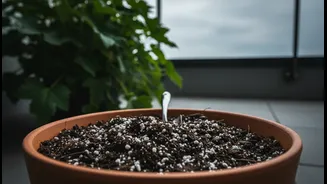
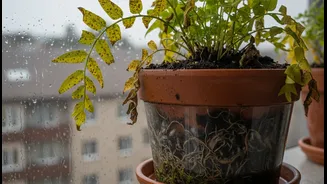
Constant rain is not always a blessing for plants confined to containers. Unlike plants in the ground, balcony pots have a limited volume of soil that can quickly become saturated. When water cannot escape, it fills the air pockets in the soil that roots
need to breathe. This condition, known as waterlogging, can lead to one of the most common and fatal issues for potted plants: root rot. Symptoms often include wilting leaves even when the soil is wet, yellowing of lower leaves, and a sour smell from the pot, indicating that the roots are suffocating and beginning to decay. The high humidity and persistent moisture also create a perfect breeding ground for fungal diseases.
The Golden Rule: Prioritise Excellent Drainage
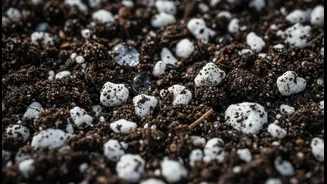
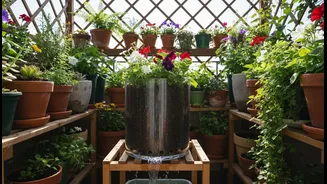
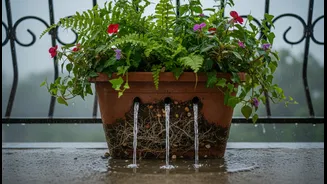
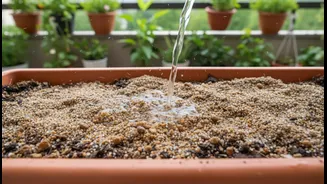
Your number one priority during the rainy season is to ensure your pots can get rid of excess water efficiently. This is non-negotiable for plant survival. Start by checking that every container has unobstructed drainage holes at the bottom. If holes are blocked, clear them immediately. A simple but highly effective trick is to elevate your pots using 'pot feet,' bricks, or a simple stand. This small gap allows water to flow out freely and improves air circulation underneath, preventing the pot from sitting in a puddle. For the soil itself, using a well-draining potting mix is crucial. Avoid heavy, clay-based garden soil, which retains too much water. Instead, opt for a lighter mix containing components like cocopeat, sand, or perlite that promote better aeration and water movement.
The Fertiliser Trap: Resisting the Urge to Overfeed
It’s a common misconception that because heavy rains wash nutrients out of the soil, you need to compensate with more fertiliser. While some nutrient leaching does occur, adding extra fertiliser to waterlogged soil is a recipe for disaster. Plant roots that are already stressed and suffocating from excess water cannot absorb nutrients effectively. Applying fertiliser in this state can cause 'fertiliser burn,' where the concentration of salts damages the already weakened roots, leading to browning leaf tips, stunted growth, and even plant death. It’s like trying to force-feed someone who is struggling to breathe. The focus must first be on solving the drainage and aeration problem.
A Smarter Monsoon Fertilising Strategy
This doesn't mean you should stop feeding your plants entirely, but your approach needs to be more strategic. Wait for a clear break in the rains before applying any fertiliser. This gives the soil a chance to dry out slightly. During the monsoon, it's often better to switch from granular fertilisers, which can be washed away quickly in heavy downpours, to a diluted liquid fertiliser or a slow-release variety. A foliar spray, where you apply a diluted liquid feed directly to the leaves, can also be effective as plants can absorb nutrients this way, bypassing the saturated soil. Reduce the frequency of fertilising; a light application every few weeks is often sufficient for most plants during this period.
Additional Monsoon-Proofing for Your Balcony
Beyond drainage and fertiliser, a few other adjustments can help your balcony garden thrive. Improve air circulation by pruning dense foliage and giving plants enough space between them; this helps leaves dry faster and reduces the risk of fungal infections. Keep an eye out for common monsoon pests like snails and slugs, and check for fungal spots on leaves. For taller or top-heavy plants, provide stakes or support to protect them from strong winds. If possible, move particularly delicate plants, like succulents, to a sheltered spot where they are protected from the heaviest downpours.