






Putting the June Deficit in Context
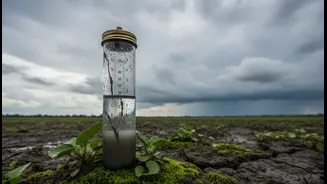
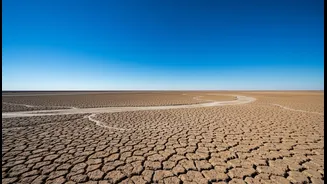
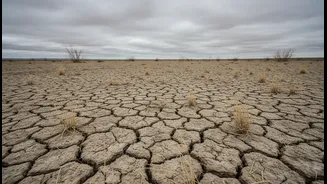
The India Meteorological Department (IMD) confirmed that Goa ended June 2026 with a significant rainfall deficit. After a very dry first three weeks with a deficit soaring to over 70%, late-month showers helped narrow the final gap to about 34%. While
this is an improvement, it's still one of the weakest starts to the monsoon in recent memory. However, historical data shows this isn't unprecedented. In past years, a large deficit in early June has often been reduced by strong rainfall later in the month or in July. The key takeaway is that June is just the opening act. The performance of the monsoon in July and August is far more critical for the state's overall water security.
For Farmers: Beyond the Rain Gauge
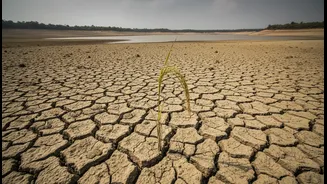
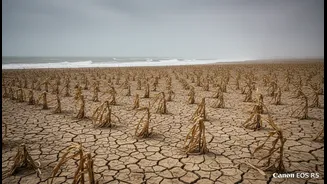
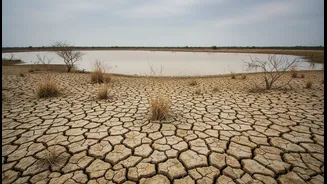
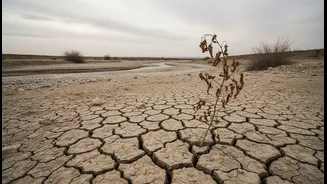
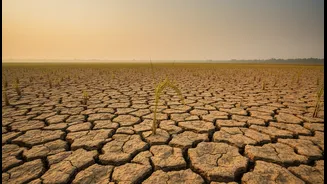
For Goa’s agricultural community, the June dry spell was alarming, delaying the crucial transplantation of paddy seedlings. Farmers reported that fields were too hard for ploughing and that seedlings were at risk of withering. Moving forward, simply tracking daily rainfall isn't enough. The most important metrics to monitor are advisories from the state's Directorate of Agriculture and the IMD's medium-term forecasts. These will provide guidance on which crop varieties to plant, such as short-duration paddy, if delays continue. Another critical factor is the status of local water bodies and irrigation channels. Some farmers have already had to pump water from ponds to save their crops, highlighting the strain on local resources. Watching for official announcements on water release from irrigation dams is vital.
For Residents: Watch the Reservoir Levels
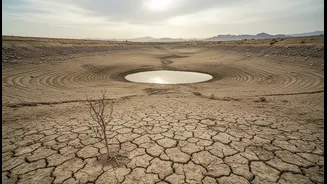
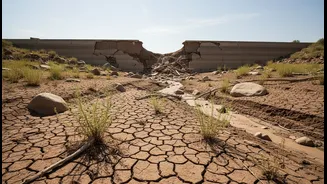
For residents, the most direct impact of a weak monsoon is on the drinking water supply. The headline rainfall deficit number is less important than the water levels in Goa's key reservoirs, such as Selaulim, Anjunem, and Amthane dams. Despite heavy rains in late June and early July, reservoir levels are lagging significantly behind their usual schedule. For example, the Selaulim reservoir, which supplies much of South Goa, is only at 42.5% capacity as of July 7th, a level it usually surpasses much earlier. Officials now expect it may not overflow until August, a month later than usual. Residents should monitor weekly updates on reservoir capacities from the Water Resources Department (WRD) to get a true picture of the water supply situation for the coming year.
For the Tourism Sector: A Different Monsoon Appeal
A delayed or subdued monsoon can alter the tourist experience. The classic monsoon attractions—gushing waterfalls like Dudhsagar, lush green landscapes, and brimming rivers for rafting—all depend on sustained, heavy rainfall. While the recent rains have improved conditions, a continued weak spell could diminish this appeal. The monsoon tourism model in Goa is built on this natural spectacle. However, it’s not all about waterfalls. Many visitors come during the monsoon for lower prices, fewer crowds, and a tranquil atmosphere. The tourism and hospitality sector should verify the on-ground reality. While beach shack operations are suspended, indoor attractions, heritage walks in Panjim, and culinary trails remain viable. The key is to manage expectations and market the authentic, peaceful, and green Goa that the monsoon still reliably delivers, even with less rain.
What the Forecast Says for July
Looking ahead, the IMD's forecast is mixed. Heavy rainfall in early July helped bring some relief and improved water levels in dams. However, the monsoon has reportedly weakened again as of July 9th, with the overall seasonal deficit for Goa standing at around 27%. Nationally, the IMD has forecast that July rainfall is likely to be below normal for many parts of the country due to strengthening El Niño conditions. While Goa did receive heavy rain alerts for the first week of July, the forecast for the middle of the month suggests a drier spell might return. This makes the rainfall in the second half of July and August absolutely critical to watch.