








The Rise of the Micro-Break
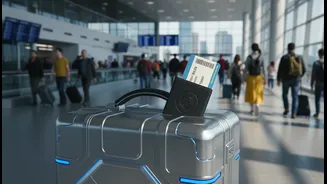
The traditional, meticulously planned annual holiday is being replaced by what are now called 'micro-breaks'—short, frequent getaways of two to six nights, often taken over a long weekend. A recent Airbnb report found that seven in ten Indian Gen Z travellers
prefer taking three short trips over one long holiday. This shift represents a major change in mindset. Travel is no longer a once-a-year event but a lifestyle habit, a regular release valve from the pressures of work and daily life. For this generation, a trip is less about seeing every landmark and more about how it makes them feel, with many travelling simply to rest and do nothing at all.
Why Short and Spontaneous is the New Norm
Several factors are fuelling this trend. The primary driver is a desire for experiences over possessions, coupled with a need for regular mental health breaks to combat burnout. A trip is often a reflexive response to stress or a free weekend. The rise of flexible and remote work arrangements also gives young professionals the ability to blend leisure with work, extending a weekend without dipping into their official leave. This generation values self-expression, and travel has become a key part of their identity. According to reports, 87% of young travellers say their travel style reflects who they are as a person. Spontaneity is a defining feature, with two-thirds booking their trips within just days or weeks of departure.
The Cumulative Cost of Constant Travel
While micro-breaks offer flexibility and frequent refreshment, they come with a financial catch. The cost of multiple trips can quickly add up, often exceeding the budget of a single, longer vacation. The spontaneity that Gen Z craves can be expensive. Last-minute bookings for flights, trains, and even buses are almost always subject to dynamic pricing, where fares increase as demand rises. This means a spontaneous trip could involve significantly higher transport costs. Furthermore, repeated expenses on taxis, food, and accommodation, even if individually small, accumulate over the course of a year. What feels like a series of affordable getaways can become a substantial annual expense if not tracked carefully.
Hacking the Habit: Smart Financial Strategies
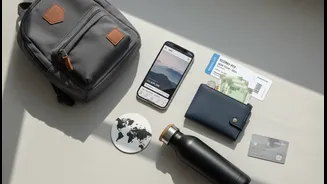
The good news is that Gen Z is already adapting. Many are becoming experts at budget-conscious travel. A recent report noted that 56% of young Indians have cut back on daily expenses to finance their trips. The key is to blend spontaneity with smart planning. Setting a dedicated travel fund and tracking expenses with apps can provide a clear picture of spending. Instead of luxury hotels, many opt for hostels, homestays, or shared group rentals, which not only save money but also offer more authentic, social experiences. For transport, booking even a few weeks in advance can lead to significant savings on fares. Opting for overnight buses or trains can also save on a night's accommodation cost.
Making Micro-Breaks Sustainable
To make the micro-break lifestyle sustainable, it’s about being value-conscious. This means prioritising what matters most. For many young travellers, this is the experience itself, not luxury. This could mean choosing a destination based on an affordable and unique stay rather than a famous location. Exploring destinations closer to home can drastically cut down on transport costs and time, making weekend trips more feasible. Many are also travelling during the off-season or on weekdays to take advantage of lower prices. Ultimately, the trend shows a willingness to trade traditional luxury for the richness of experience, but it thrives on creative and disciplined financial planning.