





Why Rolling Is Your New Best Friend
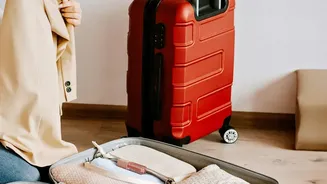
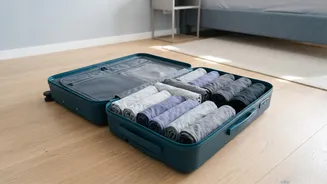
For generations, folding was the default method for packing. It’s what we do with laundry, so it makes sense. However, when it comes to maximizing limited suitcase space, rolling is a game-changer. Tightly rolled clothes take up significantly less volume
than their folded counterparts. Think of it like this: a folded t-shirt is a flat square, but a rolled one is a compact cylinder. These cylinders can be arranged like a puzzle inside your bag, filling every nook and cranny far more efficiently. The benefits don't stop at saving space. Rolling can also dramatically reduce wrinkles. When you fold a garment, you create hard creases. Rolling, on the other hand, involves gentle curves, which are less likely to leave permanent marks on your clothing, especially for casual wear. This means you can unpack and wear your items almost immediately, without a desperate search for an iron.
The Basic Roll: A Solid Start
Before you can run, you must learn to walk. The basic roll is perfect for beginners and works wonders on most casual items like t-shirts, pyjamas, and lightweight trousers. Start by laying the garment on a flat surface, like a bed or clean floor. Smooth out any existing wrinkles with your hands to ensure a neat finish. For a t-shirt, fold the sleeves inwards to create a clean rectangle. For trousers, simply fold them in half vertically, leg on top of leg. Once you have your neat shape, begin rolling tightly and evenly from one end to the other. For a shirt, you would roll from the bottom hem up to the collar. For trousers, you’d roll from the waistband down to the cuffs. The key is to keep the roll firm to maintain its shape and maximize compression.
Level Up with the 'Ranger Roll'
If you want to take your packing skills to an elite level, it's time to learn the 'Ranger Roll'. This technique, used by soldiers to keep their packs orderly and compact, creates an even tighter bundle that locks itself into place. It’s perfect for soft, flexible clothes. To 'ranger roll' a t-shirt, lay it flat and fold the bottom hem inside out by about two or three inches to create a cuff. Next, fold the sides of the shirt towards the middle to form a long rectangle, tucking the sleeves in as you go. Now, starting from the collar, roll the shirt down as tightly as you possibly can. When you reach the end, take the inside-out cuff you created at the beginning and pull it over the entire roll. This creates a secure, self-contained clothing burrito that won’t unravel in your bag. You can do the same for trousers and even bundle entire outfits together.
To Roll or Not to Roll?
While rolling is a powerful technique, it's not a universal solution for every item in your wardrobe. The method works best for lightweight, flexible materials and casual clothing. Items made from synthetics, knits, and cotton blends are ideal candidates for rolling. However, certain fabrics and structured garments are better off folded. Bulky items like thick wool sweaters or heavy denim jeans can sometimes become more cumbersome when rolled. Similarly, formal wear and easily creased natural fabrics like linen or starched cotton shirts often travel better with a gentle fold. Blazers, structured dresses, and dress trousers should be folded carefully to maintain their shape. A smart packing strategy often involves a hybrid approach: roll your casual wear to save space, and neatly fold the more delicate or formal pieces, laying them flat on top of your rolled items.
Beyond Rolling: A Complete Packing System
Smart rolling is the cornerstone of efficient packing, but it works even better when combined with other strategies. Packing cubes, for instance, are the perfect companion to rolled clothes. You can group similar items together—all your rolled t-shirts in one cube, underwear and socks in another—which keeps your suitcase incredibly organised. It makes finding what you need a breeze without having to unpack everything. Another tip is to think about your footwear. Stick your rolled-up socks inside your shoes to make use of that otherwise wasted space. Finally, apply Parkinson's Law to your bag choice: work expands to fill the time available, and luggage expands to fit the stuff you bring. By choosing a smaller bag, you force yourself to be more selective and pack only what you truly need for a short trip.