





The Ultimate Monsoon Ritual
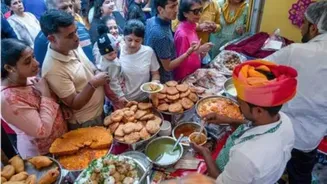
Across India, the arrival of the monsoon triggers a nationwide craving. As clouds gather, street corners come alive with bhuttawallahs, fanning hot coals under a grill. The sight and sound—charring kernels, the sizzle, and the rhythmic turning of the cob—are
as much a part of the experience as the taste itself. This isn't just about food; it's a sensory ritual. For many, the smell of roasted corn mingling with petrichor, the earthy scent of rain on dry soil, is a core memory of rainy days, evoking nostalgia for childhood, long drives, and impromptu stops to shelter from a downpour.
An Economical Comfort Food
In an age of ever-expanding food options, bhutta's enduring popularity lies in its simplicity and affordability. Corn is a seasonal crop harvested during the monsoon months, making it abundantly available and fresh. This seasonal glut keeps the price low for both vendors and customers. With minimal overhead—often just a small cart and a charcoal grill—vendors can offer this treat at a price that remains accessible to everyone, from students to office workers and families. A filling and flavourful snack for under ₹50 makes it one of the most democratic street foods in the country, a simple pleasure that doesn’t strain the wallet.
A Healthier Street-Side Indulgence
Compared to the many deep-fried snacks that tempt us during the rains, bhutta is a relatively healthy choice. It's typically roasted or steamed, not fried, which keeps its calorie count low—around 90 to 150 calories per ear. Corn is a good source of dietary fibre, which aids digestion and helps you feel full for longer. It's also packed with essential nutrients like vitamins A, B, and C, and antioxidants such as lutein and zeaxanthin, which are good for eye health. Because it's served steaming hot right off the coals, the risk of contamination common with other street foods during the monsoon is significantly lower.
The Perfect Balance of Flavours
What truly elevates bhutta from a simple corn on the cob is the classic Indian finishing touch. Once the kernels are perfectly charred—bringing out their natural sweetness—the vendor takes half a lime, dips it into a mixture of salt, red chilli powder, and sometimes chaat masala or black salt, and rubs it generously over the hot cob. This combination of smoky, sweet, tangy, and spicy flavours is a taste explosion that perfectly complements the cool, damp weather. This uniquely Indian preparation transforms the humble corn into an iconic delicacy, a flavour profile that is instantly recognisable and deeply craved.
A Tradition That Endures
While cafes and international food chains dot the urban landscape, the humble bhutta holds its own. Its appeal transcends state boundaries and generations, uniting people in a shared cultural experience. It’s a snack that requires you to be present—to stand on the street, to watch it being made, and to eat it hot with your hands. This simple act connects us to the season, our cities, and our collective memories. In a fast-changing world, the roasted corn on the cob remains a comforting constant, a delicious and affordable reminder of the simple joys that the Indian monsoon brings with it.