





What is a PUC Certificate?
A Pollution Under Control (PUC) certificate is a mandatory document that certifies your vehicle's emissions are within the government-prescribed limits. Under the Central Motor Vehicles Rules, 1989, every vehicle, except for battery-operated electric
vehicles, must have a valid PUC to be legally driven on Indian roads. This certificate is crucial not just for legal compliance but also for renewing your motor insurance policy. The goal is to monitor and control air pollution from vehicular emissions, making it a key part of India's environmental regulations.
The New Age-Based Validity Rules
The Ministry of Road Transport and Highways (MoRTH) has introduced the Central Motor Vehicles (Sixteenth Amendment) Rules, 2026, which fundamentally change PUC validity. Instead of a uniform period, validity now depends on the vehicle's emission standard (Bharat Stage or BS), age from its first registration, and whether it's for private (non-transport) or commercial (transport) use. For newer, cleaner BS-VI vehicles, the validity period has been significantly extended, while older vehicles will require more frequent testing.
Validity for BS-VI Vehicles
Owners of BS-VI vehicles benefit the most from these changes. For private BS-VI vehicles up to six years old, the PUC certificate is now valid for three years, a major increase from the previous one-year term. For those aged between six and ten years, the validity remains one year. Once a private BS-VI vehicle crosses ten years of age, it will require renewal every six months. For commercial BS-VI vehicles, the timeline is slightly different: a two-year validity for vehicles up to six years old, annual renewal for those between six and ten years, and a six-month renewal schedule for vehicles older than ten years.
Rules for Older Vehicles (BS-IV and Below)
The rules for older vehicles are now standardised across the country, aiming to eliminate state-wise variations. For vehicles that are BS-IV compliant, the PUC certificate will be valid for six months. For even older vehicles falling under BS-I, BS-II, and BS-III emission norms, the validity period is set at three months. This tiered system ensures that vehicles with potentially higher emission levels are monitored more frequently, tightening compliance for the older fleet on the roads.
Renewal Timelines and Avoiding Gaps
The headline's mention of 'no extra fees' pertains to seamless renewal. The amended rules clarify how the validity of a renewed certificate is calculated. If you renew your PUC within the 10 days leading up to its expiry date, the new certificate's validity will begin from the date the old one was set to expire. This allows for a continuous, unbroken period of compliance. However, if you renew it after the expiry date, the new certificate’s validity will start from the date of the actual renewal test. There is no grace period after expiry; driving with a lapsed certificate is an offence.
Penalties and How to Renew
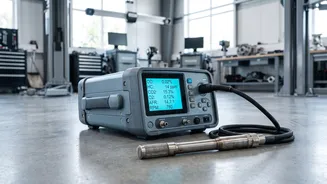
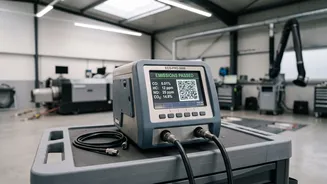
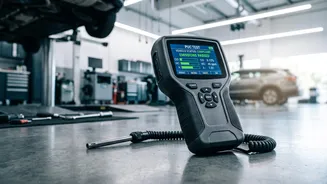
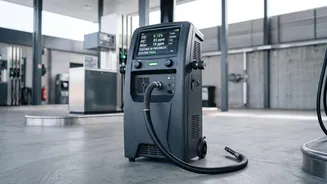
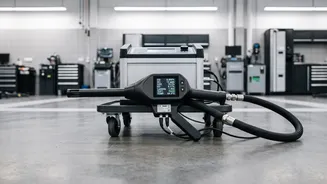
Driving without a valid PUC certificate can lead to severe penalties. Under Section 190(2) of the Motor Vehicles Act, the fine can be as high as ₹10,000, and may also include imprisonment for up to three months or licence suspension. Renewing your certificate is a straightforward offline process. You must take your vehicle to an authorised emission testing centre, which are commonly located at petrol pumps and service stations. An operator will perform the test using an exhaust probe, and if your vehicle's emissions are within the limits, a new certificate is generated and linked to your vehicle's registration on the central Parivahan database.