


The Pre-Holiday Peace of Mind
The worst surprise to come home to after a relaxing holiday is a collection of sad, wilted houseplants. Many travellers have faced this exact scenario after putting their faith in an untested automatic watering gadget or DIY solution. The expensive mistake
isn't just the potential loss of a beloved plant; it's also the risk of water damage from a leaking or overflowing system. An untested setup could deliver too much water, leading to root rot, or too little, leaving your plants parched. As experts advise, a simple trial run a week or two before your departure is the single most effective way to prevent disaster and ensure you can truly relax on your trip, knowing your plants are getting exactly what they need.
Choose Your Watering Method
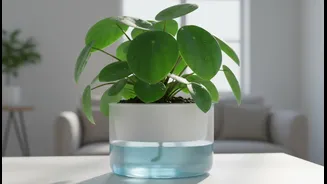
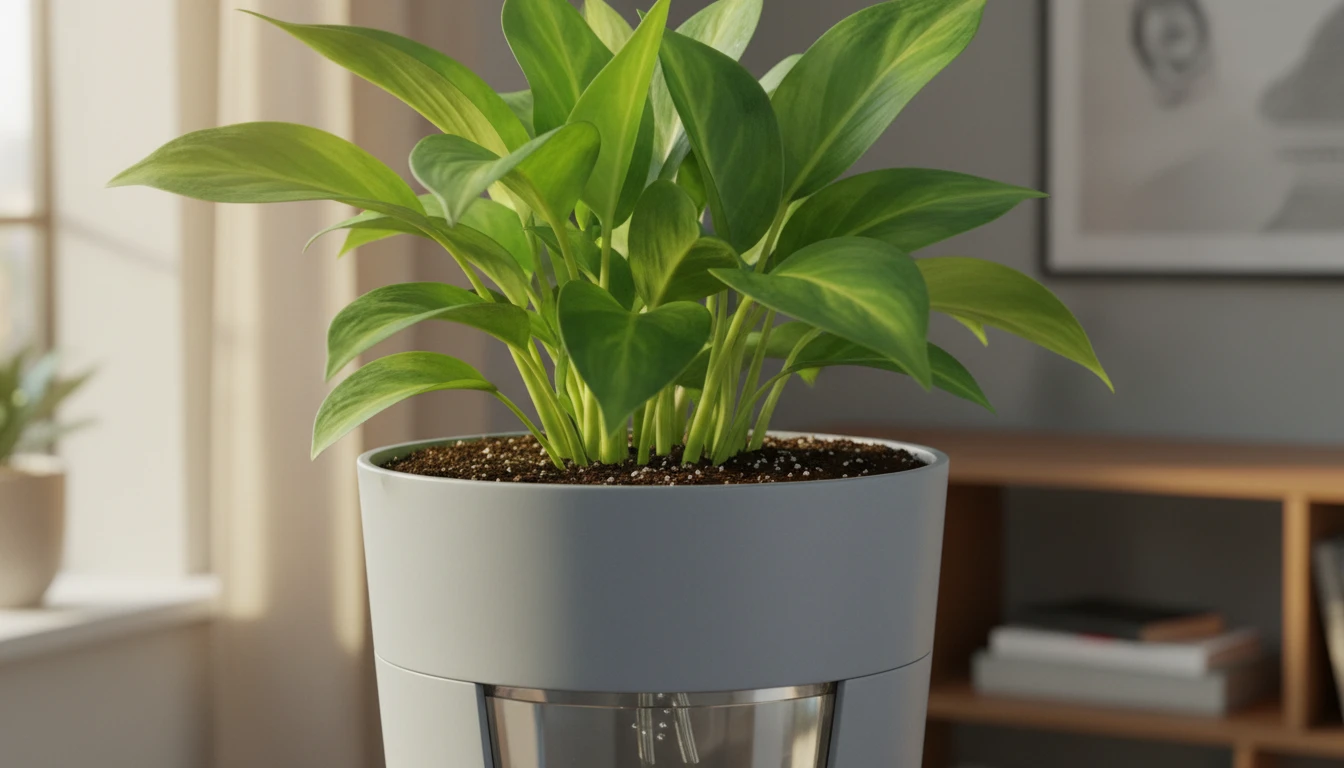
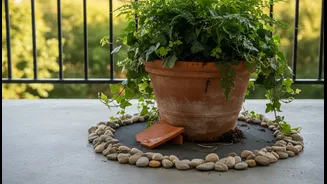
Before you can test a system, you need to choose one. Several popular and effective DIY methods can keep your plants hydrated. The water wicking method is a favorite. It uses a cotton rope or fabric strip to transfer water from a reservoir (like a large jar or bucket) into your plant’s soil via capillary action. For this to work, the water reservoir must be placed slightly higher than the plant pot. Another common technique is the slow-drip bottle, where a plastic bottle with small holes in the cap is filled with water and inverted into the soil. For humidity-loving tropicals, the bathtub method—placing plants in a tub with an inch or so of water—can also work for shorter trips. The key is to pick a method appropriate for your plant's needs and the length of your holiday.
How to Run the Trial
Once you've chosen your method, it's time to set up a dress rehearsal. Perform this test for at least two to three days to accurately mimic a portion of your holiday. Set up your chosen system exactly as you plan to use it when you're away. If using a wicking system, make sure the wick is made of an absorbent material like cotton and is pushed a few inches into the soil. For a bottle system, ensure the holes are large enough to drip but not so large that they empty the bottle in a few hours. Place the plant in the same location it will be in during your trip, as light conditions affect how much water a plant uses. Mark the starting water level in your reservoir so you can accurately track consumption.
Reading the Results: Success or Failure?
After the trial period, it's time to assess the results. The most important indicator is the soil. Stick your finger about two inches into the soil. Is it bone dry? Your system isn't delivering enough water. Is it sopping wet and soggy? It's delivering too much, risking root rot. Ideally, the soil should be evenly moist but not waterlogged. Also, examine the plant itself. Signs of underwatering include drooping, brittle leaves and soil pulling away from the sides of the pot. Overwatering often presents as yellowing leaves, soft or mushy stems, and a musty smell from the soil, which are all signs of potential root rot. A healthy, happy plant with perfectly moist soil means your system is a success.
Troubleshooting Your System
What if the trial run fails? Don't panic—this is exactly why you tested it. If the soil is too dry, your wick might not be absorbent enough or it may not be making good contact with the soil. Try using a thicker cotton material or adding a second wick. If using a bottle, the hole might be clogged or too small. If the soil is too wet, the opposite is true. Your wick might be too large for the plant's pot, or the holes in your bottle are too big. You may also have overestimated the plant's needs. Reduce the number of wicks or use a smaller bottle. For any system, ensuring the water reservoir isn't too high or too large can help moderate the flow. Making these adjustments and running another short test will help you fine-tune the setup for perfect, worry-free hydration.