


An Ancient Secret, Rediscovered
Before you dismiss it as another fleeting internet trend, know that rice water has a rich history. For centuries, it’s been a staple in Asian beauty rituals. In Japan, court ladies of the Heian Period (794 to 1185 AD) were famed for their floor-length
hair, which they reportedly rinsed with rice water to keep it healthy and strong. More famously, the Yao women of Huangluo village in China, who are recognised by the Guinness Book of World Records as having the “world’s longest hair,” credit their incredibly long, dark, and delay-in-greying hair to their tradition of washing it with fermented rice water. This isn’t a new discovery; it’s the rediscovery of a time-tested tradition that’s accessible to anyone with a bag of rice in their kitchen.
The Science Behind the Starch
So, what’s in this milky liquid that makes it so special? Rice water is packed with nutrients that are beneficial for hair and skin. It contains amino acids, the building blocks of protein, which are essential for strengthening hair roots and repairing damage. It's also rich in vitamins B and E, minerals, and antioxidants like ferulic acid, which helps protect the skin from environmental damage. The star ingredient, however, is often cited as inositol, a carbohydrate that is believed to penetrate damaged hair and repair it from the inside out. It even stays in the hair after rinsing, offering continued protection and reducing surface friction, which makes combing easier and prevents further breakage.
For Luscious, Stronger Hair
The most celebrated benefits of rice water are for hair care. Users report a host of improvements, from increased shine and softness to better elasticity and strength. The amino acids help fortify the hair shaft, reducing split ends and breakage. The starchy coating smooths the hair cuticle, making it less prone to tangles and frizz, resulting in a sleeker appearance. Many also claim it promotes hair growth, although scientific evidence for this is largely anecdotal. The logic is that by creating a healthier scalp environment and strengthening existing hair, it provides an optimal foundation for growth and reduces hair fall from breakage.
For Soothed, Glowing Skin
The benefits aren’t just for your locks. Rice water is also a gentle yet effective addition to a skincare routine. Its natural anti-inflammatory properties can help soothe sensitive or irritated skin, making it useful for conditions like eczema or sun-induced redness. Many people use it as a facial toner, claiming it helps tighten pores, brighten the complexion, and create a soft, supple texture. The starch in the water is thought to help absorb excess oil, making it a good option for those with combination or oily skin. Its gentle nature means it can be used daily without stripping the skin of its natural moisture.
Your DIY Rice Water Guide
Making your own rice water is incredibly simple. There are two popular methods:
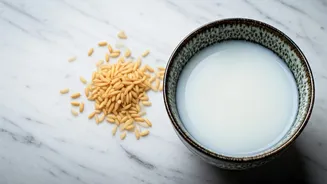
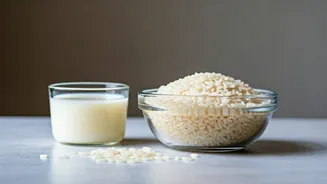
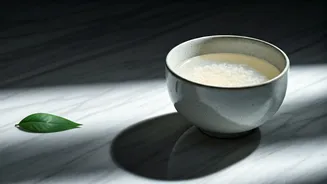
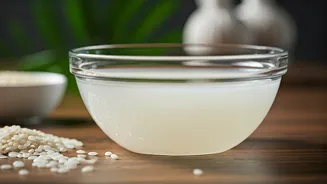
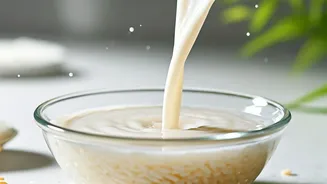
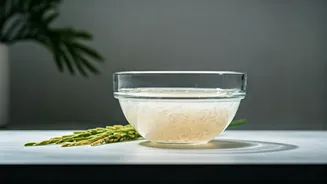
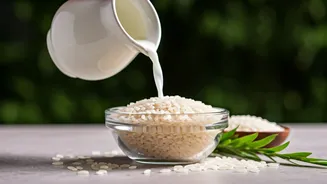
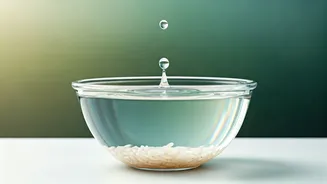
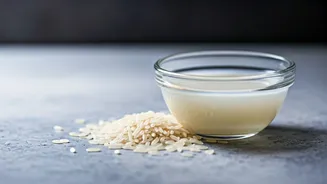
1. **The Soaking Method (Quick):** Take half a cup of uncooked rice (any kind will do, but organic is preferred) and rinse it once to remove any impurities. Place the rinsed rice in a bowl with 2-3 cups of water and let it soak for at least 30 minutes. Swirl it around and press the rice gently until the water turns cloudy. Strain the liquid into a clean bottle, and it's ready to use.
2. **The Fermented Method (Potent):** Follow the same soaking process, but instead of using the water immediately, let it sit at room temperature for 12 to 24 hours. The fermentation process lowers the pH of the water, bringing it closer to the hair's natural pH and enhancing its vitamin and nutrient content. Once it starts to smell slightly sour, it’s fermented. You can store it in the refrigerator for up to a week.
What Do the Experts Say?
While the anecdotal evidence is overwhelming, dermatologists advise a measured approach. Most agree that rice water is generally safe and can offer some benefits. The soothing properties for skin are plausible, and the starchy coating can indeed make hair feel smoother. However, there’s a lack of large-scale clinical trials to definitively prove claims about hair growth or dramatic repair. Furthermore, there are potential downsides. For those with low-porosity hair, the protein in rice water can build up over time, leading to stiffness and dryness. This is known as 'protein overload.' It's always wise to do a patch test on your skin and start by using it on your hair just once a week to see how it responds before making it a daily ritual.