



The New Fitness Mantra: Strong Over Skinny
The fitness landscape in India is undergoing a significant transformation. The long-held belief that fitness equates to weight loss and endless hours of cardio is being replaced by a more empowering goal: building strength. This shift is especially noticeable
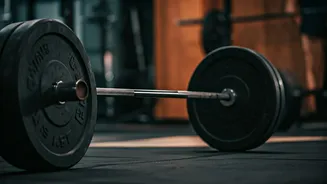
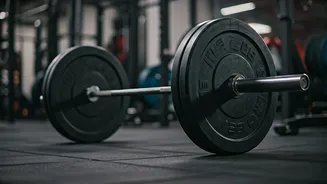
among women, who are increasingly focusing on muscle development for health and empowerment. For decades, the culture revolved around subtraction—eating less and weighing less. Today, the narrative is about addition: gaining more muscle, more strength, and more energy. Experts and trainers now encourage beginners to start lifting weights early, a practice that was almost unthinkable a decade ago. This isn't just a trend for the young; people over 50 are also embracing strength training to improve balance, muscle strength, and overall fitness for active aging.
More Than Just Muscle: The Full-Body Benefits
The appeal of strength training goes far beyond aesthetics. Its benefits are comprehensive, impacting everything from metabolism to mental health. Building lean muscle boosts your resting metabolic rate, meaning your body burns more calories even when you're not working out. This makes it a highly efficient tool for managing weight and body composition. Furthermore, resistance training is crucial for bone health. By putting controlled stress on your bones, it stimulates bone-building cells, which can increase bone density and reduce the risk of osteoporosis, a condition women are particularly susceptible to. It also enhances your quality of life by improving your ability to perform everyday tasks, protecting joints from injury, and supporting balance, which helps prevent falls as you age.
Debunking the Myths That Hold Beginners Back
For years, common myths have prevented many people, especially women, from picking up weights. The most persistent one is the fear of becoming 'bulky'. However, women naturally have significantly lower levels of testosterone than men, making it very difficult to build large muscle mass without extremely specific and intense training. Another misconception is that light weights and high reps are best for 'toning'. In reality, challenging your muscles with heavier weights is more effective for building strength and creating a defined, sculpted physique. Many also believe cardio is superior for fat loss, but strength training provides a metabolic advantage by burning calories for hours after the workout is over, a process known as EPOC (excess post-exercise oxygen consumption).
The Accessible Age of Strength
So, what's driving this widespread adoption? A major factor is accessibility. You don't need a gym membership to start. Many effective exercises like squats, push-ups, lunges, and planks can be done at home using just your body weight. The rise of online coaching, fitness apps, and social media has also played a huge role. Beginners now have access to a wealth of information, from workout tutorials to communities that offer support and motivation. This digital ecosystem has democratised fitness knowledge, making it easier than ever to learn proper form and find a routine that fits your life, even for those with busy schedules. This has empowered people to take control of their fitness journeys with confidence.
Your Guide to Getting Started
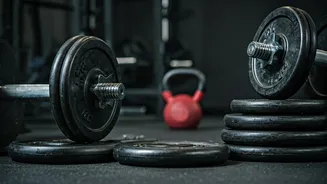
Feeling inspired to start? The key is to begin slowly and prioritise good form over heavy weights. A great starting point is with bodyweight exercises. Focus on mastering fundamental movements like squats, incline push-ups (using a counter or chair), and glute bridges. Aim for consistency, with experts recommending at least two strength training sessions per week. When you feel comfortable, you can gradually increase the challenge by adding resistance, such as dumbbells or resistance bands. A typical beginner's routine involves 2-3 sets of 10-15 repetitions for each exercise. Remember to warm up before each session and allow your muscles at least a full day of rest between workouts to recover and grow stronger.