



From Guesswork to Precision
The beauty industry is undergoing a significant transformation, driven by artificial intelligence. [5] The global market for AI in beauty and cosmetics was valued at approximately $3.27 billion in 2023 and is projected to grow substantially, with some
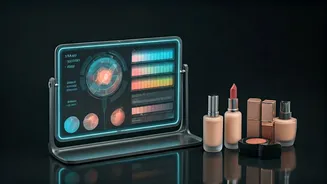
estimates suggesting it could reach over $16 billion by 2033. [1] This isn't just about futuristic gadgets; it's about solving a fundamental consumer problem: the trial-and-error process of finding products that work for your unique features. [20] AI-powered tools analyse vast amounts of data to provide hyper-personalised recommendations, turning a random search into a guided discovery. [3, 7] Major brands like L'Oréal, Estée Lauder, and retailers such as Sephora are integrating these technologies to make the shopping experience more efficient and tailored to individual needs. [1, 12, 30]
Virtual Try-On: Your Pocket Makeup Artist
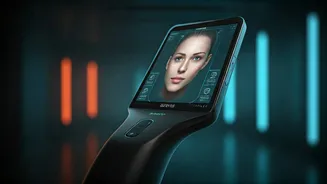
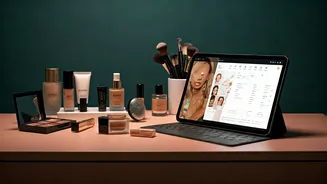
The most visible application of AI in beauty is the virtual try-on (VTO). [8] Using your phone's camera, these tools employ augmented reality (AR) and sophisticated facial mapping to let you test hundreds of shades of lipstick, eyeshadow, or foundation in seconds. [8, 26] Companies like L'Oréal's ModiFace and Perfect Corp have developed technology that simulates not just colour but also texture, showing the difference between a matte or glossy finish. [14, 22] This has proven to be more than a novelty. Retailers report that customers who use VTO are more likely to make a purchase and less likely to return it, which boosts confidence and reduces waste. [7, 27]
AI for Your Skin: Personalised Regimens
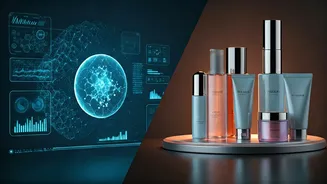
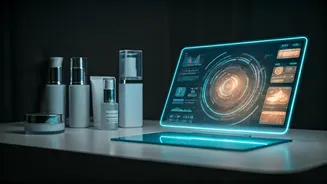
Beyond makeup, AI is making skincare profoundly personal. [18] Apps and web tools now offer digital skin diagnostics that analyse a selfie to assess various skin concerns like fine lines, dark spots, dryness, and pores. [2, 13, 32] L'Oréal's SkinConsultAI, for example, was trained on thousands of clinical images to assess seven key signs of aging. [2] Platforms like Proven Skincare and Curology use AI-driven quizzes and photo analysis to create and even prescribe custom formulas tailored to your skin type, lifestyle, and environmental factors. [4, 9] These tools provide a science-backed, data-driven alternative to guessing which serum or moisturiser will work for you. [4, 20]
Finding Your Perfect Match
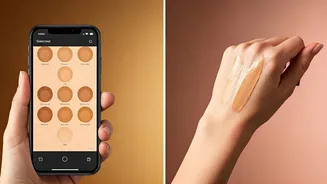
One of the biggest challenges in beauty shopping is finding the correct shade of foundation. AI shade-finders analyse your skin tone from a photo and recommend the best matches from a product line, adjusting for different lighting conditions. [19, 25] Sephora's Virtual Artist tool, powered by ModiFace, was a pioneer in this area, combining facial recognition and colour-matching technology. [24, 29] The technology is also expanding to other senses. The company Osmo is using AI to predict what a molecule will smell like, aiming to revolutionise fragrance development and recommendation, shaving years off research and development. [22] This level of precision helps eliminate costly mistakes and ensures you get a product you'll actually use.
The Future Is Personal and Predictive
The integration of AI into beauty is only getting deeper. Experts predict that generative AI will make these experiences even more immersive, simulating how makeup will wear over time or under different lighting conditions. [28] By analysing social media trends and customer reviews, AI can also help brands identify gaps in the market and develop more inclusive product lines faster. [1, 3] While these tools are powerful, it’s wise to view them as a highly effective starting point rather than a final, infallible answer. [19] Factors like your camera's quality and the lighting in your room can still influence results, but they represent a massive leap forward from the random chance of the past. [19]