


Understanding Your Light Conditions
Before you start planting, it's helpful to understand what 'low light' really means for a plant. Full shade, meaning no direct sun at all, can be challenging for most herbs. However, many thrive in 'partial shade,' which means they receive about three
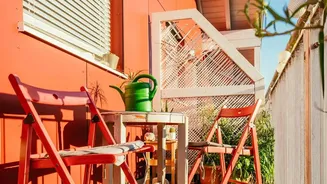
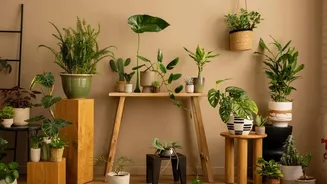
to six hours of sunlight per day, often the less intense morning sun. Another great environment is 'bright indirect light,' which is common for indoor spots near a window that doesn't get hit with direct sunbeams. Many north-facing windows or apartments with covered balconies fall into this category, making them surprisingly suitable for growing certain herbs.
Mint: The Shade-Loving Staple
If there's one herb that is famously easygoing, it's mint. This vigorous plant actually prefers cooler, shadier spots over intense, direct sun, which can scorch its leaves. Whether you're a fan of peppermint for tea or spearmint for mojitos, this herb is a must-have for a low-light garden. Plant it in a container to keep its enthusiastic roots from taking over your other pots. Mint is forgiving and will grow almost anywhere, making it a perfect starting point for a beginner gardener. Keep its soil consistently moist, and you'll have a steady supply.
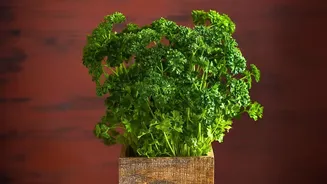
Parsley: The Versatile Garnish
Both flat-leaf and curly parsley are kitchen workhorses that do surprisingly well without a full day of sun. In fact, in hotter climates, a bit of afternoon shade can help prevent the plant from wilting. Parsley is happy with morning sun and afternoon shade, or even just consistent, bright indirect light throughout the day. This makes it an excellent candidate for a pot on a kitchen counter near an east-facing window. It’s a versatile herb that can be used in everything from sauces to salads, and having it fresh on hand is a game-changer.
Chives: The Subtle Onion Flavour
Chives are another herb that will happily grow indoors in lower light conditions. Their mild, onion-like flavour is perfect for sprinkling over eggs, baked potatoes, and soups. Because their flavour doesn't hold up well when dried, growing them fresh is the best way to enjoy them. Chives can tolerate partial shade and don't need the eight hours of direct sun that other herbs demand. If you opt for garlic chives, they also tolerate low light but might need to be moved to a sunnier spot or supplemented with a grow light during the darkest winter months to stay productive.
Cilantro: The Heat-Hating Herb
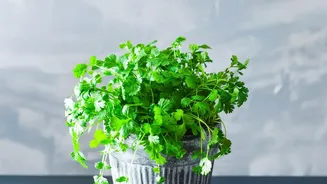
Cilantro has a reputation for being tricky, but that's often because it 'bolts'—or goes to flower and seed—very quickly in hot, sunny conditions. Growing it in a shadier, cooler spot can actually prolong its leafy harvest. For this reason, cilantro is an excellent choice for a garden that doesn't get blasted with afternoon sun. It can handle lower light levels, making it suitable for many indoor settings. Once it does bolt, you can let it go to seed and harvest the seeds as coriander, giving you two spices from one plant.
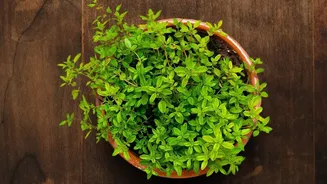
Lemon Balm: The Calming Tea Herb
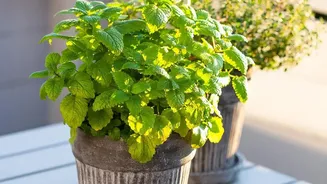
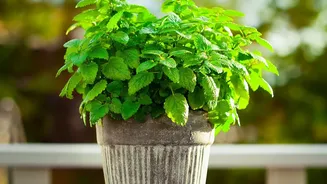
A member of the mint family, lemon balm shares its relative's tolerance for shade. This easy-to-grow herb has a wonderful, calming citrus scent and is fantastic for making fresh herbal teas. It thrives in cooler conditions and doesn't need constant, direct sun to produce its fragrant leaves. Like mint, it's best grown in a container to control its spread. A pot of lemon balm in a less sunny corner can still provide plenty of leaves for your evening cup of tea.
Tips for a Thriving Low-Light Garden
Gardening in the shade has its own set of rules. The most important one is to be careful with watering. Since the sun isn't baking the soil, pots will stay wet for much longer. Always check if the top inch or two of soil is dry before watering again to prevent root rot. It's also a good idea to water the soil at the base of the plant, not the leaves, to discourage mildew. Finally, even shade-tolerant herbs need some light to produce flavourful leaves, so if your plants look weak or 'leggy', consider moving them to a brighter spot or investing in a small indoor grow light to supplement.