





The Rainy Season Digestive Dilemma
As the rains arrive, a familiar pattern emerges for many: bloating, indigestion, and a generally sluggish digestive system. This isn't just a feeling; there's a science to it. The increased humidity and drop in temperature can slow down our metabolism.
According to Ayurveda, the body's digestive fire, or 'Agni', naturally weakens during the 'Varsha Ritu' (monsoon season). This makes our system more susceptible to issues. Furthermore, the moist environment is a breeding ground for bacteria and viruses, increasing the risk of food and water contamination, which can lead to gut infections.
The Gut's Guardians: Understanding Probiotics
This is where probiotics come in. Simply put, probiotics are live, beneficial bacteria that are great for your digestive health. Your gut is home to trillions of microbes, and maintaining a healthy balance of good bacteria is crucial for everything from nutrient absorption to immune function. These friendly microbes help break down food, prevent the overgrowth of harmful pathogens, and keep your entire digestive tract running smoothly. A gut rich in probiotics is better equipped to handle the challenges the monsoon throws at it.
The Ancient Science of Fermentation
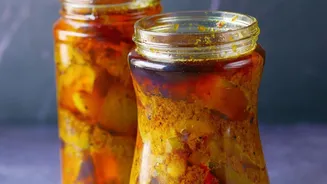
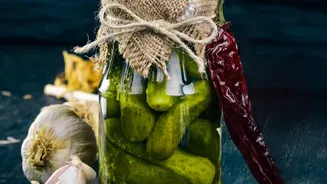
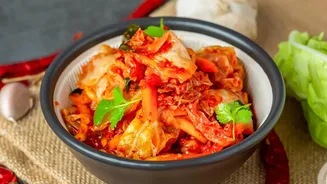
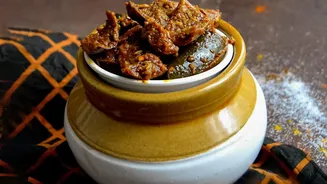
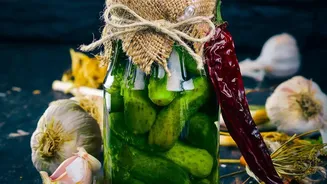
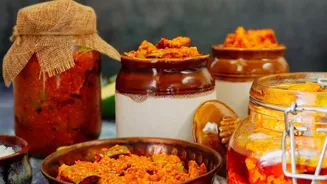
So, what does this have to do with your grandmother's mango pickle? Everything. Traditional Indian pickling is a form of natural preservation called lactic acid fermentation. When fruits or vegetables are mixed with salt and spices and left to mature (often in the sun), the salt draws out water, creating a brine. This environment inhibits harmful bacteria and allows beneficial bacteria, like Lactobacillus, to thrive. These microbes consume the natural sugars in the ingredients and produce lactic acid, which not only preserves the pickle but also creates that signature tangy flavour and, most importantly, populates the pickle with millions of gut-friendly probiotics.
Not All Pickles Are Created Equal
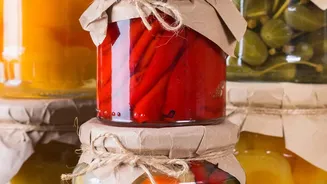
It is crucial to understand that most commercially produced pickles you find on supermarket shelves are not probiotic. To ensure a long shelf life and uniform taste, these pickles are often made quickly using vinegar, heat, and artificial preservatives. This process, known as pasteurisation, effectively kills all bacteria, including the beneficial ones. The sour taste comes from the added vinegar (acetic acid), not from the naturally produced lactic acid. To get the digestive benefits, you need to opt for pickles that are traditionally made, unpasteurised, and naturally fermented.
The Power of Pickling Spices
The magic of Indian achaar doesn't stop with fermentation. The spices used are not just for flavour; they are chosen for their digestive and preservative properties. Mustard seeds (rai) stimulate digestive enzymes. Fenugreek (methi) is known to relieve gas and bloating. Asafoetida (hing) is a powerful traditional remedy for indigestion, while turmeric (haldi) is a potent anti-inflammatory and antibacterial agent. Together, these spices work synergistically with the probiotics to support a healthy gut.