







The Post-Dinner Blood Sugar Rollercoaster
When you eat a meal, particularly one containing carbohydrates, your body breaks it down into glucose, which enters your bloodstream. This causes your blood sugar levels to rise. In response, your pancreas releases insulin, a hormone that helps your cells
absorb this glucose for energy or store it for later. For many people, a large or carb-heavy meal can lead to a rapid and significant increase in blood sugar, often called a "spike." Over time, frequent and dramatic spikes can contribute to health issues, including insulin resistance and an increased risk of type 2 diabetes. These spikes are often followed by a "crash," which can leave you feeling tired and sluggish.
Your Muscles: A Glucose Sponge
This is where a post-meal walk works its magic. When you engage in light physical activity like walking, your muscles need energy. To get it, they begin to pull glucose directly from your bloodstream. This process doesn't rely as heavily on insulin. Essentially, your contracting muscles act like a sponge, soaking up the excess sugar that has just entered your system from your dinner. This action blunts the sharp peak of the blood sugar spike, leading to a more gradual and gentler rise and fall. Studies have shown that even a few minutes of walking can have a measurable effect on moderating blood glucose levels.
The Perfect Timing and Pace
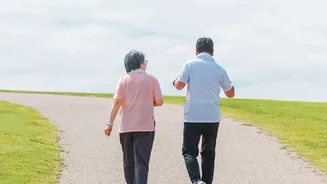
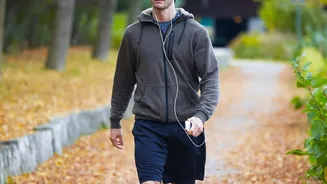
To get the most significant blood sugar-lowering benefits, timing is key. Research suggests that heading out for your walk within 60 to 90 minutes after you finish your meal is the ideal window. This is when blood glucose levels are typically approaching their peak. You don’t need to embark on a marathon session; a short, leisurely stroll is highly effective. Studies indicate that walking for just 10 to 15 minutes can make a substantial difference. In fact, some research found benefits from as little as two to five minutes of movement. The goal is gentle movement, not a strenuous workout. A pace where you can comfortably hold a conversation is perfect.
Accelerating Muscle Recovery
The benefits of a post-dinner walk extend beyond blood sugar management and into the realm of muscle recovery. This type of gentle movement is a form of "active recovery." Walking increases blood flow and circulation throughout your body. This enhanced circulation helps deliver oxygen and vital nutrients to your muscles more efficiently, which is crucial for repair and growth. At the same time, it helps clear out metabolic waste products, such as lactic acid, that can build up in muscles after more intense exercise, contributing to soreness and stiffness. So, if you had a tough workout earlier in the day, a light evening walk can help reduce next-day muscle soreness and keep your muscles feeling flexible.
More Than Just Physical Benefits
Beyond the physiological advantages, a post-dinner walk can become a valuable ritual for your mental well-being. It provides a screen-free moment to decompress after a long day, aiding digestion by gently stimulating the gastrointestinal tract and potentially reducing feelings of bloating. It can be a quiet time for reflection, an opportunity to listen to a podcast, or a chance to connect with a family member or partner. This simple habit helps break the cycle of eating and then immediately sitting on the couch, promoting a more active lifestyle and serving as a gentle endcap to your day.