





The culture of gifting in India is undergoing a transformation. As consumers increasingly prioritise memories over materials, a new trend is emerging: experiential gifting. This shift is doing more than just changing what's inside the gift box.
Beyond the Physical Gift
Experiential
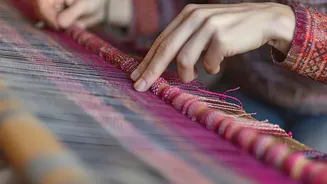
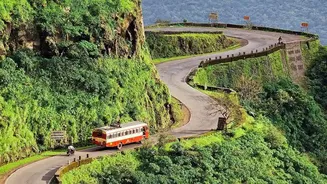
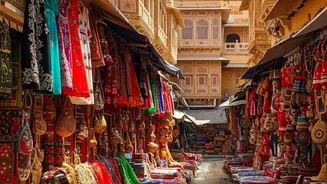
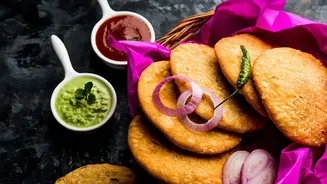
gifting is the practice of giving a memorable activity or experience instead of a physical object. Think of a block-printing workshop in Jaipur, a guided food trail through the bustling streets of Old Delhi, a pottery class with a local artisan, or a wellness retreat in the hills of Kerala. This trend is driven by a fundamental shift in consumer values, particularly among younger generations who often prefer to collect memories and skills rather than possessions. In a world of mass-produced goods, an experience feels unique, personal, and shareable, offering a story that a material item often cannot. This move towards 'doing' rather than 'having' is not just a passing fad; reports suggest that consumer spending on experiences like travel and leisure is set to outpace spending on physical goods in the coming years.
A Direct Lifeline for Small-Scale Entrepreneurs
For small businesses and individual artisans, the rise of experiential gifting is a powerful economic engine. When someone buys a gift voucher for a heritage walk, a cooking class, or a craft workshop, the money often flows directly to the local guide, the home chef, or the craftsperson. This model creates a direct and sustainable revenue stream, reducing their reliance on seasonal tourist traffic or bulk orders from large retailers. It empowers entrepreneurs who are experts in their cultural domain but may lack the resources for large-scale product manufacturing. By turning their knowledge and skills into a bookable experience, they can build a resilient business that celebrates their heritage. This shift helps foster rural and urban livelihoods, giving artisans and performers direct access to new markets.
Revitalising Local and Cultural Tourism
Experiential gifting is also playing a crucial role in deepening the quality of tourism. It encourages visitors—both domestic and international—to look beyond the famous monuments and engage with the living culture of a place. Instead of just observing, travellers become participants. This form of tourism helps preserve cultural heritage not as a relic in a museum, but as a vibrant, living tradition. When a craft like Chikankari embroidery from Uttar Pradesh becomes the focus of a workshop, it not only provides income for artisans but also ensures that these intricate skills are valued and passed on to the next generation. This model of community-led tourism shows that small businesses and local artisans, who are often excluded from high-value visitor spending, can become the central attraction.
The Platforms Making It Possible
This growing ecosystem is supported by a new wave of online platforms and startups that connect consumers with local experience providers. Companies specialising in curated tours, workshops, and hyperlocal activities act as a marketplace, making it easy for anyone to discover and book a unique gift. These platforms handle the marketing, booking, and payment logistics, allowing small operators to focus on what they do best: providing an authentic and high quality experience. From major players offering 'Experiences' to niche Indian startups focused on specific regions or activities, this digital infrastructure is vital for making local culture accessible to a wider audience. It creates a win win scenario where tourists can easily find genuine activities and local entrepreneurs can reach customers they otherwise wouldn't.