




The Digital Cravings
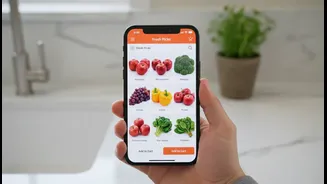
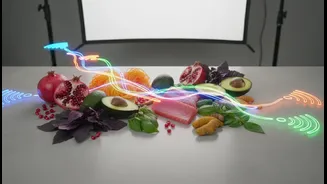
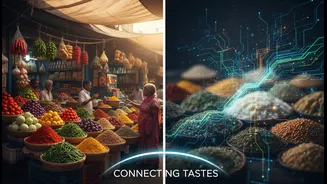
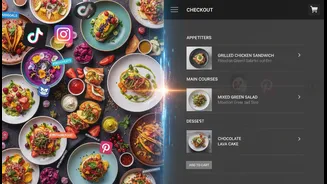
India's digital food landscape is a vibrant, fast-moving ecosystem. Every day, millions of users on platforms like Instagram and YouTube are exposed to new culinary ideas, from elaborate global trends like Basque cheesecake to hyper-local street food creations.
Social media has become the new word-of-mouth, with 84% of consumers using it to find new restaurants. Search data reflects this digital curiosity, with searches for international ingredients like matcha and Korean sauces soaring alongside renewed interest in regional Indian cuisines. These platforms create powerful, short-lived demand cycles. A dish can become an overnight sensation thanks to a viral reel, creating a sudden spike in consumer desire. This digital appetite is often driven by visual appeal, novelty, and the fear of missing out, creating a clear picture of what consumers are theoretically hungry for.
The Reality on the Plate
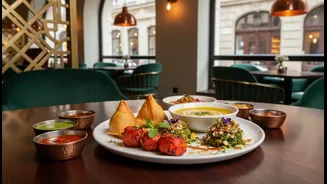
In contrast, a restaurant menu is a carefully constructed business plan. While a home cook can experiment with a single viral dish, a commercial kitchen operates on consistency, profitability, and scalability. Restaurant owners and chefs must consider several practical factors before adding a new item. These include the cost and availability of ingredients, the skill level of their kitchen staff, preparation time during a busy service, and potential food wastage. With tight profit margins, especially in a market with fluctuating food inflation and high operational costs, every menu item must justify its place. A dish that is popular online might be too complex, expensive, or require niche ingredients that are difficult to source reliably. Therefore, menus tend to be built around proven sellers and operational efficiency rather than fleeting digital fads.
Decoding the Disconnect
The gap between social trends and restaurant menus arises from this fundamental conflict between fleeting digital desire and operational reality. For example, a trend like the messy, hands-on seafood boil might dominate social feeds for weeks, but few restaurants can reconfigure their service style and supply chain to offer it profitably. Similarly, while home bakers rushed to make Dalgona coffee during the pandemic, it rarely appeared on cafe menus because it was labour-intensive and didn't fit the established workflow. The life cycle of a viral trend is often just a few weeks, which is shorter than the development cycle for a large restaurant chain that needs to ensure consistency across multiple outlets. Smaller, more agile restaurants and cloud kitchens can sometimes capitalize on these trends by offering them as limited-time specials, but for most established eateries, the risk and investment are often too high.
Why the Gap Persists
Several factors ensure this gap remains a feature of the food industry. Firstly, the motives are different. Social media content is designed for engagement and visual impact, where a dish's 'shareability' can matter more than its taste. In contrast, restaurants aim for customer satisfaction and repeat business, which rely on taste, quality, and value. Secondly, there are significant logistical hurdles. A large chain can't simply add a new dish; it requires training staff, updating marketing materials, and securing a stable supply chain across all locations. Finally, there's the issue of data interpretation. While social data shows interest, it doesn't always translate to purchase intent at a specific price point. A person might 'like' a video of an exotic dish but ultimately order a familiar comfort food like biryani or butter chicken when spending their own money.
Data as the Bridge
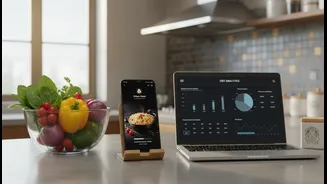
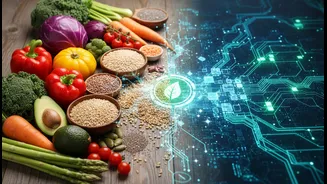
Increasingly, the food industry is using data to bridge this gap, or at least manage it more intelligently. Food delivery platforms and digital menu systems provide restaurants with a wealth of information on what customers are actually ordering, not just what they're watching online. This internal data, showing sales velocity and profitability per item, is gold. Some savvy businesses are blending these data streams. They monitor external social trends to identify potential hits and then use internal sales data to test them as limited-time offers. If a trendy item sells well and is operationally viable, it might earn a permanent spot. This data-driven approach allows restaurants to innovate and respond to new consumer desires without taking undue financial risks, slowly closing the gap between the screen and the table.