
The End of the Unchecked Splurge
The post-pandemic years saw an unprecedented boom in the pet industry. Flush with savings and spending more time at home, many people welcomed a new pet into their family. This led to the rise of 'pet humanisation,' a trend where pets are treated as full-fledged
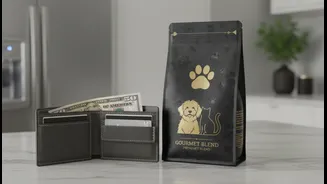
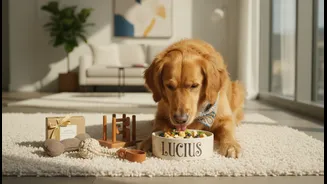
family members. The spending reflected this: premium foods, elaborate toys, regular spa days, and even pet-tech gadgets became the norm. The industry grew at a blistering pace, seemingly resistant to economic downturns. However, persistent inflation and rising living costs are now forcing a widespread reality check. After years of strong growth, the expansion of the pet industry is moderating as consumers, particularly younger owners, make more careful spending decisions.
Prioritising Health Over Hype
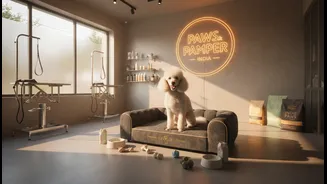
The new reality doesn't mean people love their pets any less. Instead, it signals a significant shift in spending priorities. The emotional bond remains strong, with a majority of owners still considering their pets part of the family. But where the money goes is changing. Pet parents are now distinguishing between essentials and non-essentials. Discretionary purchases like high-fashion accessories, frequent professional grooming, and novelty toys are the first to be cut. In their place, spending is consolidating around the pillars of pet wellness: quality nutrition and veterinary care. Even with vet costs rising significantly, owners are prioritising essential healthcare, viewing it as a non-negotiable expense to ensure their companion’s long-term health.
How Pet Owners Are Adapting
Across the country, pet owners are becoming more discerning shoppers. Many are trading down from premium brands to more affordable, value-focused alternatives, especially for food and treats. Do-it-yourself (DIY) trends are also on the rise, with more owners opting for at-home grooming instead of pricier professional services. The subscription box model, once a symbol of convenient pampering, is also facing pressure, as many owners cancel automatic shipments to shop around for better deals on an as-needed basis. This new, value-seeking mindset is pushing consumers to hunt for the best price, often leveraging online channels and private label brands to make their pet care budget stretch further.
A Different Story in India
While the global trend points towards a slowdown, the Indian pet care market tells a story of explosive growth. India's market is expanding at one of the fastest rates in the world, driven by a new generation of pet parents, rising disposable incomes, and increased urbanisation. Pet care orders on quick commerce platforms are surging, especially in Tier-II cities like Guwahati and Meerut. This growth is fueled by first-time pet owners and a cultural shift where pets are increasingly seen as family. While global consumers are cutting back, many in India are just beginning to trade up, exploring premium foods, wellness products, and specialised services for the first time. However, this doesn't mean the market is immune to the principles of value, with a growing demand for homegrown brands that offer quality at an accessible price point.
The Industry's Next Move
For the pet industry, this reality-check mode presents both a challenge and an opportunity. Brands that once thrived on the novelty and luxury aspects of pet ownership now need to pivot. The future lies in demonstrating clear value. Companies are focusing on essentials, with an emphasis on products backed by science and linked to preventative health. This includes functional nutrition, health supplements, and services that offer tangible benefits. As consumers become more price-conscious, business models are adapting, with a greater focus on subscription services for essential items, online pharmacies, and private label offerings that provide a balance of quality and affordability. The era of pampering for its own sake is over; the new focus is on practical, purposeful care that genuinely enhances a pet's quality of life.