
A Universe of Overwhelming Data
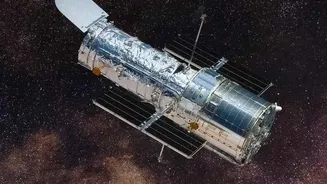
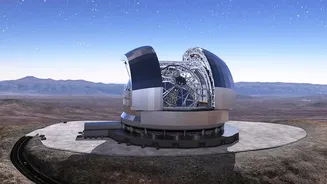
For centuries, astronomy was about looking up. Now, it's increasingly about looking down—at mountains of data. Telescopes like NASA's Hubble and TESS, along with upcoming observatories, capture the cosmos with breathtaking detail, but this creates a formidable
challenge. NASA's Earth Observation archives, for example, have already surpassed 100 petabytes. To put that in perspective, a single petabyte is equivalent to about 223,000 movies. It's simply not possible for astronomers to manually inspect every image or analyze every signal. This data deluge means that countless discoveries—new planets, strange galaxies, or faint, unusual signals—could remain buried in the archives, unseen by human eyes. This is the problem AI was born to solve.
Teaching a Machine to See the Stars
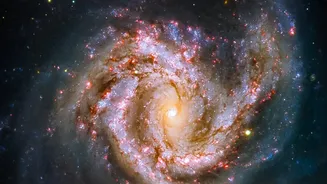
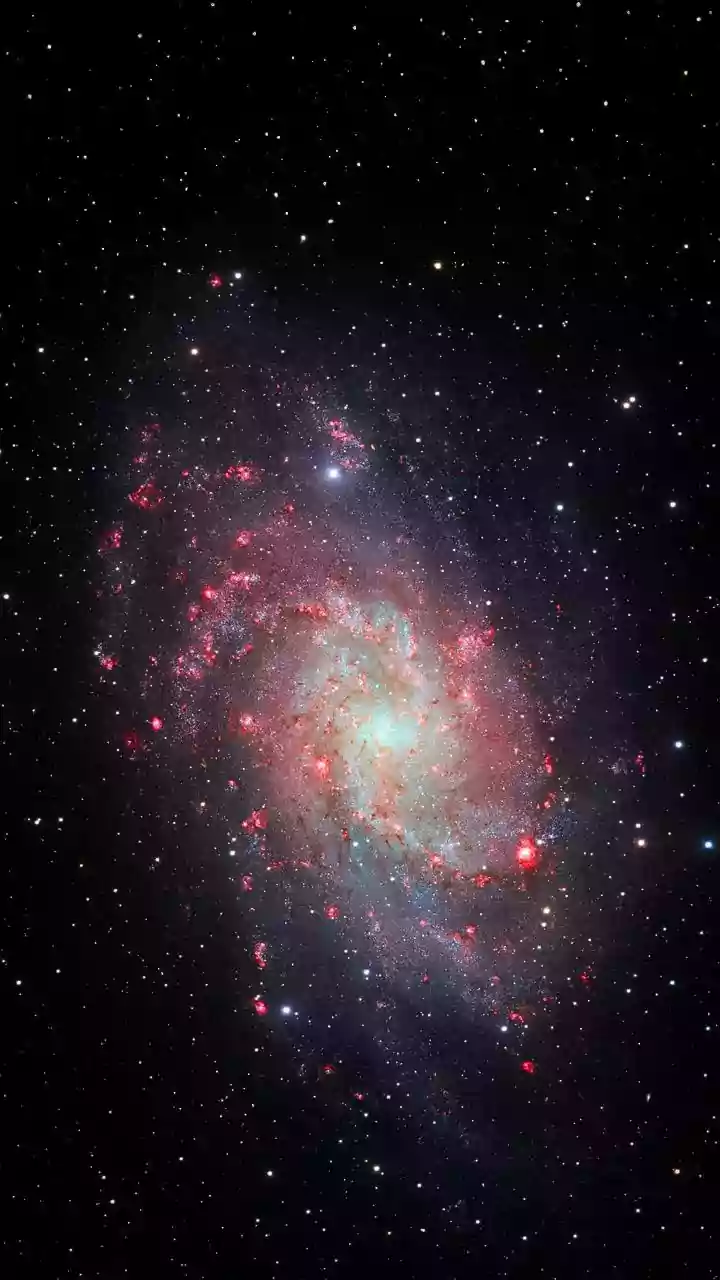
So how do you teach a computer to be an astronomer? The answer lies in a form of AI called a neural network, which is designed to process information in a way that is inspired by the human brain. Researchers 'train' these networks by feeding them vast, pre-labeled datasets. For instance, they might use data from citizen science projects like Galaxy Zoo, where volunteers have already classified thousands of galaxies. The AI learns to associate certain patterns with specific labels, like 'spiral galaxy' or 'eclipsing binary star'. Over time, it becomes incredibly adept at recognizing these patterns on its own, spotting them in new, unanalyzed data with superhuman speed and accuracy. It’s less about programming rules and more about teaching the machine to develop its own expert intuition.
The Exoplanet Hunters
One of AI’s biggest success stories in astronomy is the hunt for exoplanets—worlds orbiting distant stars. Missions like NASA's Kepler and TESS work by monitoring the brightness of millions of stars, looking for tiny, periodic dips in light caused by a planet passing in front of its star. While effective, these transits are subtle and can be easily mistaken for other phenomena. This is where AI excels. Open-source AI tools like ExoMiner and RAVEN have been trained to sift through this noisy data and distinguish true planetary signals from false positives. These algorithms have already validated hundreds of new exoplanets from Kepler and TESS data, some of which had been missed by previous analysis techniques. They are, in effect, finding cosmic needles in a sky-sized haystack.
Listening for Whispers in the Static
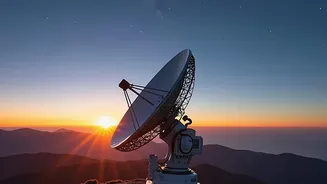
The search for extraterrestrial intelligence (SETI) is perhaps one of the most compelling frontiers for AI. Initiatives like Breakthrough Listen use powerful radio telescopes to scan the skies for 'technosignatures'—signals that could indicate the presence of technology created by an alien civilization. The challenge is immense: filter out the constant barrage of radio interference from human sources (like satellites and mobile phones) to find one potentially alien whisper. AI is now central to this effort. Sophisticated algorithms can analyze data streams in real-time, learning to discard terrestrial noise and flag anomalous signals that warrant closer inspection. A recently developed AI system proved capable of processing data 600 times faster than previous methods, opening the door to detecting complex signals that humans might completely overlook.
Finding the Beautifully Weird and Unknown
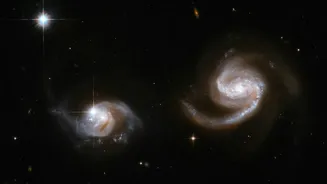
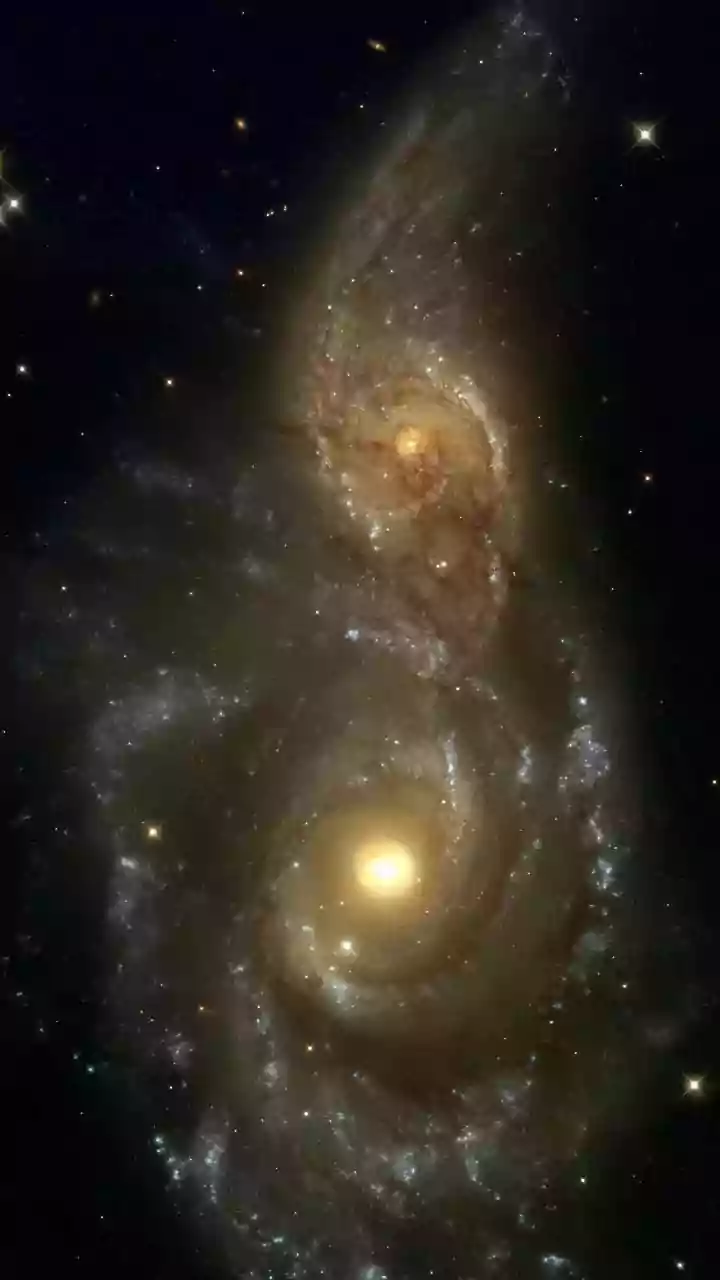
Perhaps the most exciting application of AI is not in finding what we expect, but in discovering what we can't even imagine. Instead of just classifying known objects, some AI models are now being trained to find anomalies—things that just don't fit. Recently, a neural network named AnomalyMatch was let loose on 35 years of archived data from the Hubble Space Telescope. In just two and a half days, it flagged over 1,300 cosmic anomalies. More than 800 of these had never been documented before, including bizarre merging galaxies, 'jellyfish' galaxies with gaseous tentacles, and some objects that defied any existing classification. This is a profound shift. AI is no longer just a tool for confirming our theories; it's becoming a partner in pure discovery, pointing us toward the truly new and unknown phenomena hidden in the universe.