






As winter arrives, our cravings shift to warm, hearty meals. Far from being a time of scarcity, this season offers a vibrant array of produce that can make your diet both exciting and deeply nourishing. Let's explore India's winter bounty.
Embrace Nutrient-Rich Greens
Winter is the
season of glorious greens in India. Markets are flooded with fresh bunches of spinach (palak), fenugreek (methi), and mustard greens (sarson). These leafy vegetables are nutritional powerhouses, packed with iron, calcium, and vitamins A, C, and K. A diet rich in these greens can help boost immunity, which is crucial during a season known for colds and flu. The quintessential North Indian dish, Sarson ka Saag, is a perfect example of using seasonal produce. Traditionally made with mustard greens, often mixed with spinach or bathua (chenopodium), this dish provides warmth and is rich in antioxidants. Beyond saag, these greens are incredibly versatile. You can stir-fry methi with potatoes for Aloo Methi, blend spinach into dals and curries for a nutrient boost, or stuff them into parathas for a hearty breakfast.
Dig Into Root Vegetables
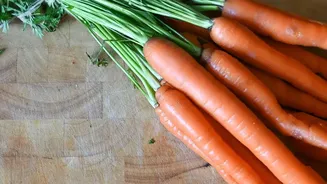
The ground offers some of its best produce during winter. Carrots, radishes, turnips, and beetroots are at their sweetest and most flavourful during this time. Cooler temperatures cause vegetables like carrots to convert starches into sugars, making them naturally sweeter. Winter carrots are perfect for the famous Indian dessert, Gajar ka Halwa, where their inherent sweetness shines. Radishes (mooli) are abundant and can be used in salads, pickles, or the popular Mooli Paratha. Beetroot is another star, known for being loaded with antioxidants and adding a vibrant colour to salads and juices. Sweet potatoes (shakarkandi) are a comforting and starchy vegetable, often roasted and enjoyed as a simple street-side snack seasoned with chaat masala. These root vegetables are dense in nutrients and fibre, helping you feel full and satisfied.
Savour Seasonal Winter Fruits
Winter brings a wonderful selection of fruits that are perfect for snacking and boosting your health. Oranges, a classic winter fruit, are packed with Vitamin C, an essential nutrient for fighting off infections. Guavas are another winter gem, surprisingly containing more Vitamin C than oranges and also being a great source of dietary fibre, which aids digestion. Pomegranates, with their jewel-like seeds, are rich in antioxidants that help reduce inflammation. In many parts of India, you'll also find fresh amla (Indian gooseberry), one of the most potent sources of Vitamin C available, traditionally used to bolster the immune system. Custard apples (sitaphal) are another seasonal treat, offering natural sugars for a quick energy boost and nutrients like Vitamin B6. Incorporating these fruits into your diet is an easy and delicious way to get essential vitamins and stay healthy.
The Warmth of Millets and Spices
Traditional Indian winter diets often include warming grains and spices. Millets like bajra (pearl millet) and ragi (finger millet) are excellent for winter meals. They are slow-digesting, providing sustained energy and warmth. A simple Bajra Khichdi, cooked with lentils and a dollop of ghee, is a classic comfort food in many Indian households, known for increasing metabolism and body temperature. Spices also play a crucial role. Ginger, turmeric, and cumin are not just for flavour; they improve blood circulation and digestion. Jaggery (gur), an unrefined sugar, is widely used in winter. It's a source of iron and minerals and is believed to generate heat in the body, making it a healthier alternative to refined sugar in sweets and parathas.