






Understanding the Rules in India
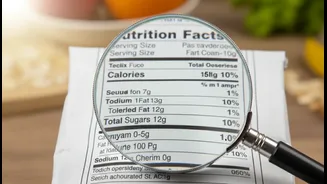
In India, dietary supplements and nutraceuticals are regulated by the Food Safety and Standards Authority of India (FSSAI). Unlike medicines, these products are not intended to cure, treat, or prevent any disease. FSSAI regulations mandate that labels
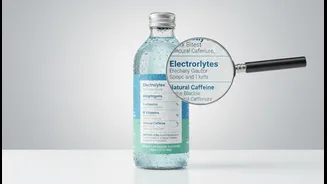
must be accurate, list all ingredients, provide dosage instructions, and display a valid FSSAI license number. However, the responsibility often falls on the consumer to check these details. A key phrase you'll find on genuine products is "NOT FOR MEDICINAL USE," which is a mandatory disclaimer to remind users that these are foods, not pharmaceuticals.
Red Flags: How to Spot a Dubious Claim
Misleading marketing uses specific language to trigger an emotional response. Be skeptical of products that promise a "miracle cure," "quick fix," or use vague terms like "boosts immunity" without solid proof. Testimonials and influencer reviews are not scientific evidence. Another major red flag is the claim of "detoxification." There is no compelling scientific evidence to support the use of special teas or diets to eliminate toxins. Your liver and kidneys are your body's highly efficient, built-in detoxification system, working 24/7 to filter waste. Most weight loss from these products is temporary water loss, not actual fat loss.
Finding Reliable Health Information
To verify a health claim, turn to trusted sources. In India, this includes information from the Ministry of Health and Family Welfare, the Indian Council of Medical Research (ICMR), and the National Health Portal. These bodies provide evidence-based guidelines. When looking at studies, check for research published in peer-reviewed scientific journals. Be wary of information from sources that are also trying to sell you a product. A consultation with a registered medical practitioner or a qualified dietitian is the most reliable way to get personalised health advice. They can assess if you have a genuine nutrient deficiency that requires supplementation.
The 'Detox' Myth Unpacked
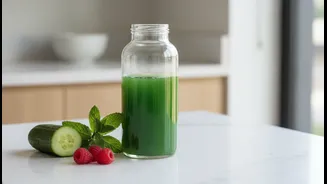
The idea of a 'detox' or 'cleanse' is powerful, but it's not based on medical science. So-called detox teas and juices cannot remove toxins from your body any better than your own organs can. These products often contain diuretics or laxatives which can lead to dehydration, electrolyte imbalances, and other health issues with prolonged use. Any weight you lose is typically water and muscle, which comes back as soon as you stop the 'cleanse'. A healthier approach is to support your body's natural detoxification processes by staying hydrated, eating a balanced diet rich in fibre, and limiting processed foods and alcohol.
A Smarter Approach to Supplements
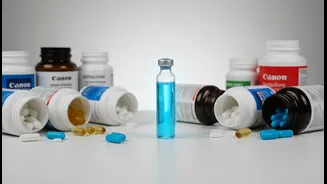
Supplements should fill a specific nutritional gap, not replace a healthy diet. Many Indians do have common deficiencies, such as Vitamin D, Vitamin B12, and iron, where supplementation might be necessary under medical guidance. However, taking supplements you don't need can be ineffective and sometimes harmful. For example, recent ICMR guidelines have cautioned against the regular use of protein supplements for muscle building, stating that most people can get adequate protein from their diet. High doses of certain supplements can also lead to issues like kidney damage. The first step should always be a blood test and a doctor's consultation to determine your specific needs.