





The Under-the-Radar Strain of Sitting
Many of us spend the majority of our waking hours seated, whether at a desk, in a car, or on the couch. While it might seem harmless, this prolonged state of inactivity puts a subtle but persistent strain on our bodies. When you sit for long periods,
your major leg muscles, which act as a 'second heart' to help pump blood back to your chest, are disengaged. This inactivity leads to blood pooling in the lower legs, a phenomenon that has a direct impact on your cardiovascular system. Studies have shown that extended sitting can lead to an increase in both systolic and diastolic blood pressure. It's not just about a lack of exercise; the very act of being stationary for hours creates a specific physiological challenge that your body has to constantly work to overcome.
How Stillness Spikes Your Pressure
So, what’s happening inside your body when you’re stuck in a chair? As blood pools in your lower limbs due to gravity, the volume of blood returning to the heart decreases. To compensate and maintain adequate blood flow to vital organs like the brain, your body’s autonomic nervous system kicks into gear. It triggers a response that increases peripheral vascular resistance—essentially, a slight tightening of your blood vessels—and sometimes increases heart rate to keep blood pressure stable. Over the course of a day, this repeated compensation can lead to a sustained, measurable increase in your average blood pressure. This process is a key reason why sedentary lifestyles are linked with an elevated risk of hypertension and other cardiovascular issues.
Breaking the Cycle with Simple Movement
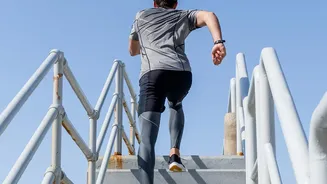
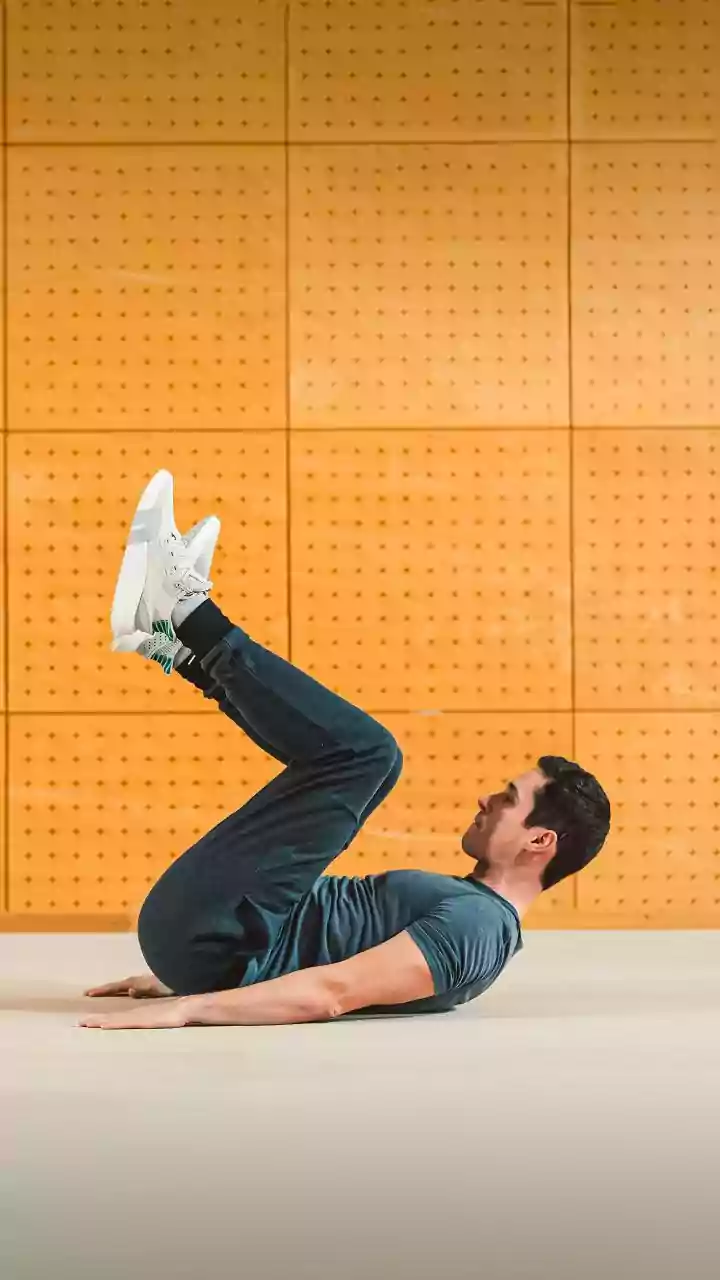
This is where the magic of hourly interruptions comes in. When you stand up and move, you immediately break the cycle of blood pooling and vascular strain. Even a few minutes of light activity, like walking or stretching, reactivates your leg muscles. As they contract, they squeeze the veins in your legs, helping to push the stagnant blood back up toward your heart. This improves circulation, reduces the pressure in your lower-body veins, and allows your heart to pump more efficiently. In response, the nervous system can ease up on its compensatory measures, allowing your blood vessels to relax and your blood pressure to normalize. Think of it as hitting a reset button for your circulatory system every hour.
What Kind of Movement Is Best?
The best part is that you don't need an intense workout to reap the benefits. Research indicates that short, frequent breaks are highly effective. A study published in 'Medicine & Science in Sports & Exercise' suggested that walking for just five minutes every half hour can yield significant blood pressure benefits. Other research has confirmed that interrupting prolonged sitting with just three minutes of light-intensity walking every 30 minutes can lower average systolic blood pressure. You can set a reminder to simply stand up, stretch, walk around the room, or do a few light chores. The goal is consistency, not intensity. Simply transitioning from sitting to standing more frequently throughout the day has been shown to have a positive effect.
Beyond Blood Pressure: The Broader Benefits
While managing blood pressure is a critical benefit, the advantages of regular movement breaks don't stop there. Interrupting sedentary time has also been associated with improvements in blood sugar levels, cholesterol, and overall metabolic health. By breaking up long periods of sitting, you reduce your risk for metabolic syndrome, a cluster of conditions that includes high blood pressure, high blood sugar, and excess body fat. Reducing your total sitting time, even by as little as 30 minutes a day, has been linked to lower blood pressure in older adults. These small but consistent actions contribute to a much healthier cardiovascular profile in the long run, lowering your risk of chronic diseases and improving your overall well-being.