

Beyond Butter Chicken and Biryani
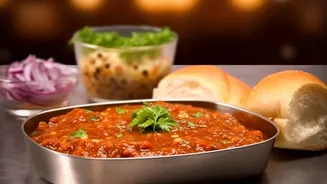
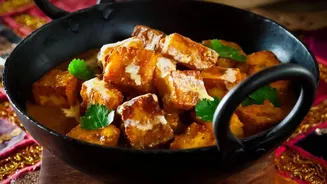
For the longest time, restaurant menus across India were dominated by a handful of North Indian, primarily Mughlai and Punjabi, dishes. While delicious, this created a simplified, one-size-fits-all idea of “Indian food.” However, a significant shift is underway.
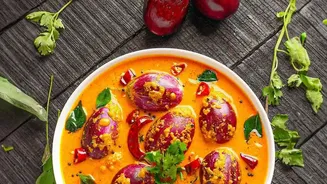
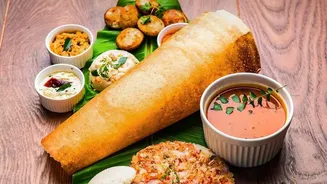
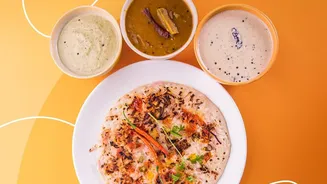
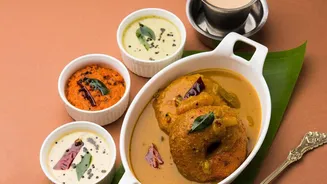
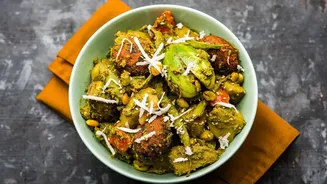
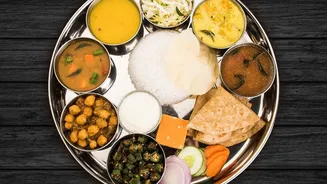
Chefs and restaurateurs are now championing the immense diversity of the country’s culinary traditions. This movement is redefining Indian food beyond the well-known staples, showcasing the varied ingredients, flavours, and specialities from different states and cultures. Diners are showing a sharp curiosity for these authentic tastes, signalling a change in appetite towards more diverse and nuanced food experiences.
The Drivers of a Culinary Renaissance
This isn't just a trend; it's a movement driven by a confluence of factors. A new generation of chefs is leading a culinary rediscovery, acting as archivists who travel to villages and document disappearing dishes. Many are driven by a desire to preserve the food they grew up with, realising that many family recipes are being forgotten as lifestyles change. This push for preservation is matched by a growing curiosity from diners. Increased domestic travel has exposed people to authentic regional flavours at their source, and they return home seeking those same tastes—not watered-down versions. This has created a demand for restaurants that tell a deeper story about a place, its people, and its environment.
From Regional to Hyperlocal
The exploration is becoming even more specific. The focus is shifting from broad regional labels like 'South Indian' or 'Bengali' to what some chefs call “micro-culinary narratives.” This means menus are spotlighting cuisines from a particular sub-region, community, or even a single village. You might find dishes from the Malnad belt of Karnataka, the tribal traditions of Central India, or Nanjil Nadu in Tamil Nadu—areas with unique culinary identities that have rarely been featured in mainstream restaurants. This hyperlocal approach celebrates lesser-known ingredients like foraged greens, indigenous fermented products like axone, and heirloom rice varieties. The goal is to present food that is deeply rooted in a specific geography and culture.
What Diners Can Expect
As a diner, this new landscape is an invitation to be adventurous. Expect menus that are shorter, more focused, and change with the seasons. You will encounter unfamiliar dish names and ingredients. Don't be afraid to ask questions. Chefs championing these cuisines are storytellers, eager to share the history and context behind each dish. You’ll discover that 'spicy' can mean many things—from the sharp heat of Naga peppers to the subtle warmth of Malabar spices. You'll also see forgotten cooking techniques being revived, like slow-cooking in earthen pots, hay-smoking, and traditional fermentation methods. This is food with a sense of place, where every dish carries a story of its origin, from a specific community or landscape.