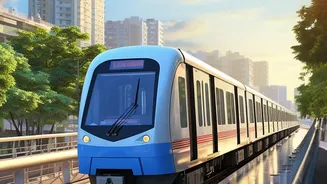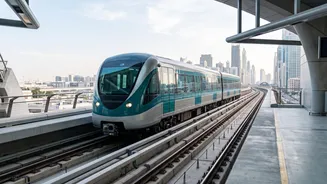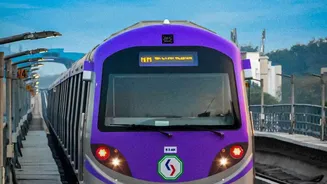



The Driverless Revolution So Far
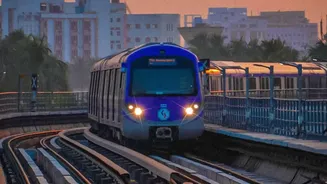
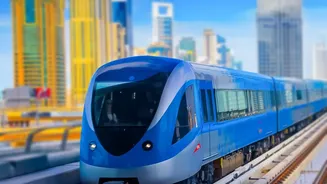
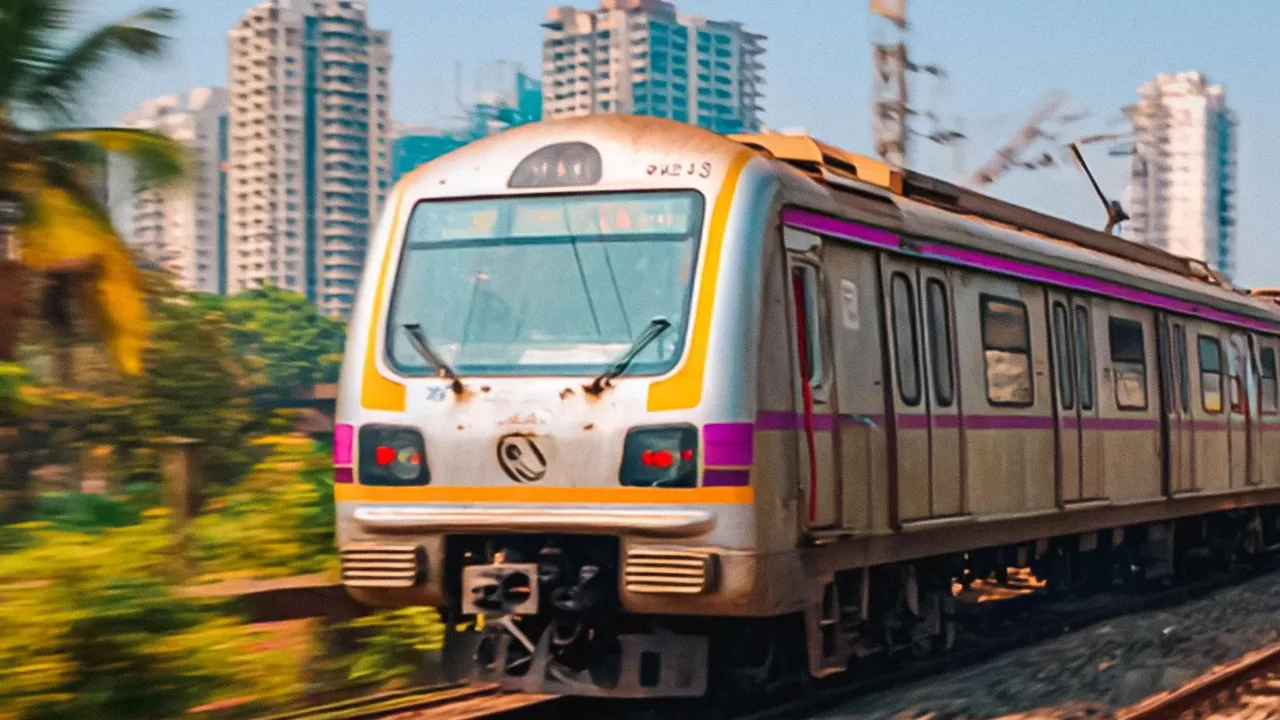
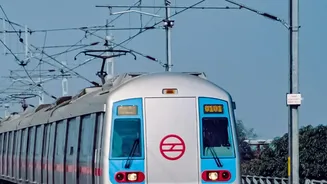
Since the first driverless train was launched on the Magenta Line in December 2020, followed by the Pink Line, the Delhi Metro Rail Corporation (DMRC) has been at the forefront of automated urban transit in India. These trains operate on a system called
Unattended Train Operation (UTO), the highest grade of automation, which eliminates the possibility of human error and allows for greater operational flexibility. Currently, DMRC operates 100 driverless trains across a 120-kilometre network on the Pink and Magenta lines. This makes up nearly 29% of the entire metro network, placing Delhi among a select group of global cities with extensive autonomous metro systems. The technology automates everything from pre-service safety checks to parking at the depot, streamlining the entire process and improving the frequency of trains for commuters.
A Landmark Ridership Record
The success of this technology was underscored by a significant milestone achieved on November 2, 2026. During the pre-Diwali rush, a staggering 1.6 million passengers travelled on the driverless trains in a single day. This figure meant that one in every five of the network's eight million daily passengers opted for an automated train journey, a powerful vote of public confidence. The DMRC views this record not just as a number, but as a validation of the system's reliability, safety, and efficiency. This successful adoption by millions of commuters is now the driving force behind the decision to expand the driverless network even further.
The Blueprint for a Driverless Future
Buoyed by this success, DMRC is pressing ahead with major expansion plans under its Phase 4 development. The goal is to extend the driverless network from the current 120 km to a total of 198 km. This expansion will see the introduction of driverless technology on three priority corridors currently under construction. These include the extensions of the existing driverless-enabled Magenta Line (Janakpuri West to R.K. Ashram Marg) and Pink Line (Majlis Park to Maujpur). Crucially, the new 'Golden Line', a 23.62 km corridor connecting Delhi Aerocity to Tughlakabad, will also be equipped for fully automated operations from day one. Once completed, this will make the Delhi Metro the world's second-largest driverless metro network.
What This Means for Delhi's Commuters
For the millions of people who rely on the metro daily, this expansion translates into tangible benefits. The UTO system allows for higher frequency of trains, potentially reducing headways to as little as 90 seconds. This means shorter waiting times on platforms, especially during peak hours. The automated system also enhances reliability and punctuality, reducing delays caused by human factors. Furthermore, some trains on fully automated lines have been redesigned without a driver's cabin, which increases the overall passenger-carrying capacity of each train. As Delhi continues to grow, a more efficient, reliable, and high-capacity metro network is essential to managing congestion and improving air quality.
Navigating the Path Forward
While the operational benefits are clear, the expansion is not without its challenges. Critics often point to the higher upfront capital costs associated with the advanced signalling and control systems required for driverless technology. There are also concerns about the impact on employment for train operators. However, DMRC's Managing Director, Vikas Kumar, has stated that no train operators have been laid off since automation began in 2020. Instead, around 3,000 operators have been redeployed and retrained for other critical roles like station management and crowd control, where the human touch remains vital. As other Indian cities with metro systems watch closely, Delhi's experience will serve as a crucial case study in balancing technological advancement with financial prudence and workforce management.