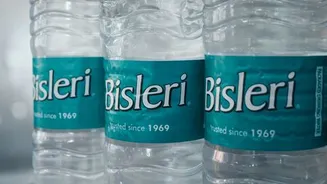






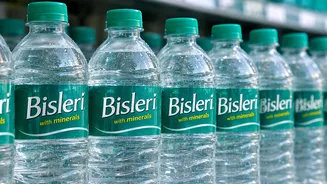

For millions in India, packaged drinking water is a daily necessity, often chosen for its promise of safety. Recent actions by the FSSAI have put this trust under the microscope, raising critical questions about what's really in our water bottles.
What Prompted the FSSAI's Action?
The
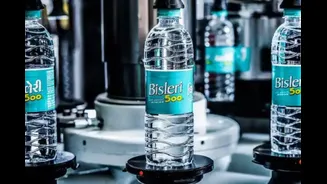
Food Safety and Standards Authority of India (FSSAI) has initiated prosecution against a leading packaged water brand after a sample was declared unsafe. This action stemmed from an inspection at a manufacturing facility in Goa in September 2025. During the inspection, officials collected multiple samples. While most passed, one was found to have levels of a chemical called bromate at 12 micrograms per litre, which is above the permissible limit of 10 micrograms per litre. Following an appeal, a referral laboratory found bromate within limits but detected other compounds called polynuclear aromatic hydrocarbons (PAHs), leading the FSSAI to ultimately classify the sample as unsafe and sanction legal proceedings. This specific case has prompted a wider review of major packaged drinking water brands across the country.
Understanding Bromate and PAHs
The two key contaminants in focus are bromate and PAHs. Bromate is not a naturally occurring substance in water but a disinfection byproduct. It can form when ozone, a powerful disinfectant used to kill germs in water, reacts with naturally present bromide in the source water. While ozonation is a crucial purification step, if not carefully controlled, it can inadvertently create this potentially harmful chemical. Polynuclear aromatic hydrocarbons (PAHs) are a group of chemicals that are formed from the incomplete burning of organic matter like wood or fuel. Indian standards mandate that PAHs should not be detectable in packaged drinking water. The concern with both bromate and PAHs is their potential health risk; some are classified as possible carcinogens.
What are the Health Risks?
Long-term exposure to bromate has been linked to kidney issues and cancer in animal studies, which is why regulatory bodies set strict limits. The World Health Organisation (WHO) and FSSAI both cap the permissible limit for bromate in drinking water at 10 micrograms per litre. Acute poisoning from bromate is rare and typically only occurs from ingesting large amounts, which can cause gastrointestinal and nervous system effects. The levels found in drinking water are thousands of times lower. Similarly, some PAHs are also considered carcinogenic, and their presence is an indicator of contamination. It's important to note that these risks are associated with long-term exposure, and the findings do not imply an immediate danger from a single bottle.
Evolving Regulations for Water Safety
The regulatory landscape for packaged water has been evolving. In October 2024, FSSAI removed the mandatory Bureau of Indian Standards (BIS) certification mark for packaged water. Instead, it classified packaged water as a 'high-risk food' product and implemented a new, stringent testing framework effective January 1, 2026. This scheme requires manufacturers to conduct regular, detailed tests for chemical and microbial contaminants at FSSAI-notified, NABL-accredited labs and maintain rigorous records. This move places more direct responsibility on manufacturers to ensure every batch meets safety standards. FSSAI's recent crackdown is part of this enhanced enforcement drive to ensure compliance.
How to Be an Informed Consumer
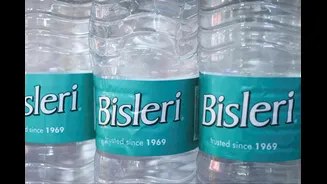
While regulatory bodies conduct oversight, consumers can also take steps to ensure they are buying safe products. The most crucial check is the packaging itself. Always look for the FSSAI logo and the 14-digit license number on the label. Inspect the bottle's seal to ensure it is intact and not tampered with. Check the manufacturing date and best-before date. Avoid bottles that appear dirty, have scratched labels, or show signs of being refilled. While clear and odourless water might seem safe, it's impossible to detect chemical contaminants by sight or smell, making laboratory testing the only definitive measure of purity. If you suspect an issue with a product, you can report it to food safety authorities using the details on the label.