







Meet NiVU AI: Your New Digital Guide
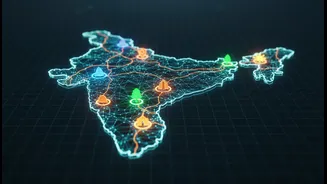
The Andhra Pradesh government has partnered with travel-tech company Explurger to launch NiVU AI, a multilingual conversational platform. The goal is to make Andhra Pradesh the first state in India with AI-powered tourism. Instead of traditional guidebooks
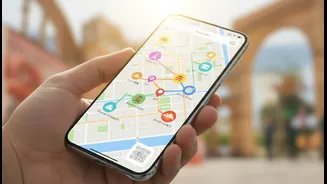
or static information boards, visitors can interact with an AI through their smartphones. The service is accessed by scanning a QR code at participating locations, eliminating the need to download a dedicated app. Once activated, tourists can ask questions about a site's history, cultural significance, and practical details through voice or text. This initiative is part of the state's broader 'Swarna Andhra Vision-2047' to integrate technology for public good.
The Promise: 130+ Languages at 100+ Sites
The project's scale is impressive. The plan is to deploy the NiVU AI platform at over 100 tourist destinations over the next three years. This includes major temples, beaches, forts, heritage monuments, and natural attractions. The rollout is phased, starting with 30 key locations in the first year. The AI supports over 130 Indian and international languages, making it highly accessible for domestic and global travelers alike. The statewide launch follows a successful pilot program at the Sri Lakshmi Narasimha Swamy and Sri Panakala Lakshmi Narasimha Swamy temples in Mangalagiri, where it received positive feedback from devotees and authorities.
Checkpoint 1: Verify the Rollout Schedule
While the plan is for more than 100 locations, the rollout is gradual. The first phase covers 30 major sites within the first year. If you're planning a trip, especially to a less-common destination, it's wise to check if the NiVU AI service is actually active there. The initial list of 30 sites will likely include major hubs like Tirupati, Visakhapatnam, and key heritage monuments, but smaller sites will be added later. Before depending on the AI for your visit, look for official announcements from the Andhra Pradesh Tourism Authority (APTA) confirming which locations are currently equipped with the QR codes.
Checkpoint 2: Test the Language Nuances
Supporting over 130 languages is a significant technical feat, but the quality of translation and comprehension can vary. While common languages like English, Hindi, and Telugu are likely to be robust, niche dialects or complex queries in less common languages might pose a challenge. Tourism Minister Kandula Durgesh noted he personally tested the platform in Telugu and found it accurate and respectful. However, as a user, it is a good practice to ask a few simple, verifiable questions first to gauge the AI's understanding and accuracy in your preferred language before asking for more complex historical or logistical details.
Checkpoint 3: Cross-Reference Critical Information
The AI guide is designed to provide information on history, culture, and highlights, and even suggest nearby attractions. While it will be a fantastic resource for this kind of contextual information, always cross-verify time-sensitive and critical details. This includes things like opening and closing times, ticket prices, special event schedules, and transport availability. This information can change rapidly, and an AI's database might not always have the absolute latest real-time update. Use the AI as your primary guide for stories and context, but double-check logistics through official websites or by calling the venue directly.
Checkpoint 4: Understand Its Purpose and Limits
The NiVU AI platform is a free-to-use informational tool. Its purpose is to enhance your experience at a site by providing context and stories. It is not a travel booking agent or an emergency service. The AI might recommend nearby attractions or services, but it is the traveler's responsibility to vet these independently. Furthermore, the platform will generate real-time data on visitor patterns and queries for the tourism department, which will be used to improve services and plan policy. This is a benefit for future tourism development but doesn't impact your immediate use of the tool.