
Perfect Conditions: The New Moon
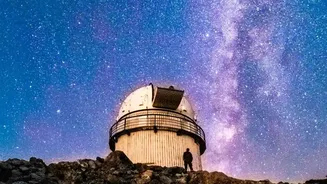
The secret to this spectacular month lies in the New Moon on August 12. This is when the Moon is positioned between the Earth and the Sun, rendering it invisible in our night sky. The result is a natural blackout, creating the darkest possible conditions,
ideal for spotting fainter celestial objects. This same alignment is responsible for a total solar eclipse on August 12, which, while not visible from India, provides the perfect moon-free backdrop for the month's main attraction. Think of it as the universe setting the stage for a grand performance.
The Main Event: The Perseid Meteor Shower
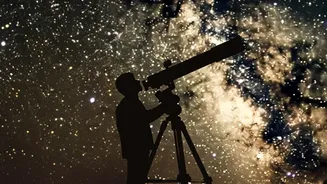
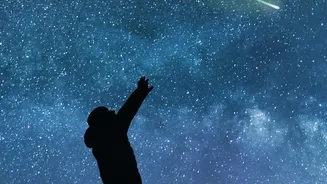
The Perseid meteor shower is the undisputed highlight of the month, and 2026 offers a viewing opportunity that astronomers describe as nearly ideal. This annual shower peaks on the night of August 12 and into the pre-dawn hours of August 13. Thanks to the New Moon, the sky will be exceptionally dark, allowing even faint meteors to shine. Under perfect conditions, you might see up to 100 meteors per hour. These 'shooting stars' are actually tiny debris particles left behind by the comet Swift-Tuttle, burning up as they enter our atmosphere. For the best views in India, find a location away from city lights after midnight on August 13. The prime window will be between 2:00 AM and 4:30 AM IST, before twilight begins. Be patient, allow your eyes about 20-30 minutes to adjust to the darkness, and look towards the northeast.
A Bonus Spectacle: The Planet Parade
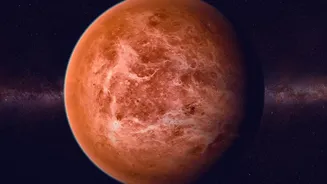
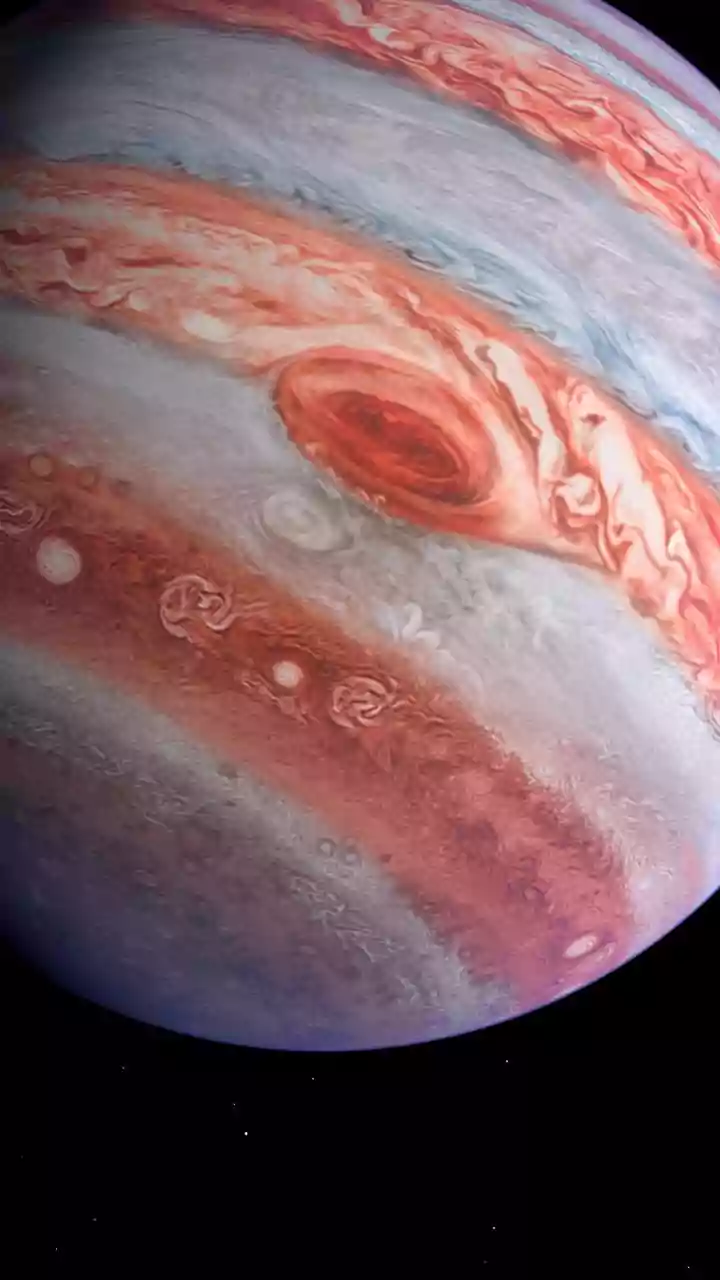
As if a major meteor shower wasn't enough, the pre-dawn sky around August 12 will also feature a stunning planetary parade. Six planets — Mercury, Mars, Jupiter, Saturn, Uranus, and Neptune — will appear to line up in an arc across the sky. This is a line-of-sight illusion, not a physical alignment in space, but it’s a breathtaking sight nonetheless. From India, you can spot the brightest of the bunch — Jupiter, Saturn, and Mars — with your naked eye. Mercury will be low on the horizon, presenting a challenge, while Uranus and Neptune will require binoculars or a small telescope. Your best chance to see this is to look towards the eastern horizon between 4:15 AM and 5:30 AM IST.
Easy Catches for Beginners
August also offers some simpler, but no less beautiful, celestial meetups. On the morning of August 7, look for a thin crescent moon cozied up next to the famous Pleiades star cluster, also known as the Seven Sisters. It’s a delicate and photogenic pairing. Just two days later, on the morning of August 9, the waning crescent Moon will appear close to the planet Mars. This provides an excellent opportunity for beginners to easily locate the Red Planet in the pre-dawn sky. These events are perfect for a quick and rewarding stargazing session without needing any special equipment.
A Finale: The Partial Lunar Eclipse
The month of celestial wonders concludes with a partial lunar eclipse on August 28. During this event, a portion of the full Moon will pass through the darkest part of Earth’s shadow, known as the umbra. This will cause one side of the Moon to appear noticeably darker for a period. While this eclipse will be visible across large parts of the world, including the Americas and Europe, its visibility from India is less certain, with some sources suggesting it may be observable while others do not. Stargazers in India should check local astronomy resources closer to the date for precise timings and confirmation of its visibility from their specific location.