

Why Protein Is a Child's Best Friend
Think of protein as the fundamental building material for a growing body. Made up of amino acids, it's essential for creating new cells and repairing tissues. For a child, this means protein is directly responsible for building strong muscles, bones,
and organs. It doesn't stop there. Protein also plays a vital role in strengthening the immune system, helping your child fight off common infections. Furthermore, it aids in the production of enzymes and hormones that regulate countless bodily functions and even contributes to brain development and cognitive health. Without enough of it, a child may experience fatigue and poor concentration.
Decoding Your Child's Daily Protein Needs
The question on every parent's mind is, "How much is enough?" The Indian Council of Medical Research (ICMR) provides helpful guidelines that change with age. While needs vary, a general rule of thumb for many Indian children is about one gram of protein for every kilogram of body weight. Toddlers (1-3 years) need around 13 grams per day, while school-aged children (4-8 years) require about 19-23 grams. As they enter their teens, this need increases significantly to support rapid growth spurts, climbing to over 30 grams and even higher for older teens. It's less about hitting an exact number every single day and more about ensuring a consistent supply through a varied diet.
Power-Packed Vegetarian Proteins
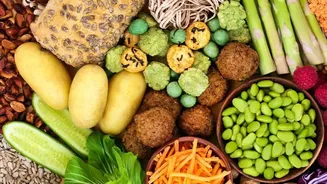
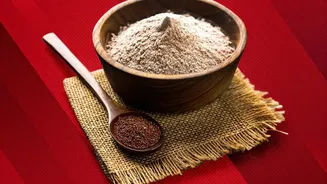
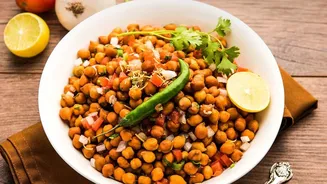
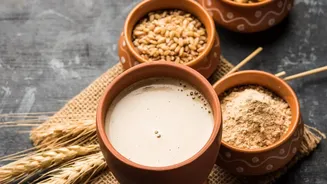
For the vast majority of Indian households, plant-based foods are the primary source of protein. The good news is that our traditional diet is rich with options. Dals and legumes are the cornerstone; a single cup of cooked dal, chana, or rajma provides a significant portion of a child's daily needs. Dairy products like milk, paneer, and curd (dahi) are excellent sources of high-quality protein and also provide calcium. Soy products such as tofu and soya chunks are also protein powerhouses. Don't forget nuts and seeds like almonds and peanuts, which can be powdered and added to milk or porridge, and whole grains like ragi and oats.
Lean and Mean Non-Veg Options
For families that consume non-vegetarian food, incorporating protein can be very straightforward. Eggs are considered one of the most complete protein sources, containing all essential amino acids in a highly digestible form. A single egg provides about 6-8 grams of protein, making it a perfect breakfast or snack. Chicken breast is another lean and efficient source, while various types of fish like pomfret and rohu also offer a healthy dose of protein along with beneficial omega-3 fatty acids. When preparing these foods for children, it's best to opt for grilling, steaming, or light curries rather than deep-frying.
Making Protein a Daily Habit
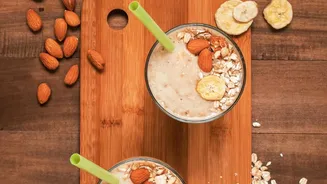
The key to ensuring adequate protein intake is not through one magic food, but by incorporating different sources throughout the day. Start the morning with a besan chilla, a stuffed dal paratha, or a simple boiled egg. For lunch, a classic like rajma-chawal or dal-roti is a fantastic combination, as pairing legumes with grains creates a more complete protein. For snacks, think beyond biscuits. A handful of roasted chana, a small bowl of curd, a paneer sandwich, or a peanut butter banana smoothie are all excellent choices. By making small, smart choices at every meal, you can easily meet your child's protein needs and support their journey to a healthy adulthood.