
What You Are Looking For
Spotting the International Space Station (ISS) for the first time is an unforgettable experience. Forget telescopes or binoculars; all you need are your eyes. The ISS looks like a very bright, fast-moving star or a silent, high-altitude aircraft. Unlike
an airplane, it does not blink or have flashing lights. It appears as a steady, brilliant white dot of light that travels across the entire sky in just a few minutes. The station's brightness can vary, but at its best, it is the third brightest object in the sky, sometimes outshining even the brightest planets. Its visibility is thanks to sunlight reflecting off its massive solar arrays, which is why the best viewing times are typically an hour or two before sunrise or after sunset. During these twilight hours, the sky at your location is dark, but the ISS, at its high altitude, is still bathed in sunlight.
Finding Your Personal Viewing Schedule
The key to a successful sighting is knowing exactly when and where to look. The ISS travels at about 28,000 kilometres per hour, completing an orbit of Earth every 90 minutes, so its passes are brief and highly dependent on your specific location. Fortunately, you don’t need to do any complex calculations yourself. The best tool for the job is NASA’s own “Spot The Station” service. By visiting their website and entering your city—for example, Delhi, Mumbai, or Bengaluru—you can get a precise schedule of upcoming viewing opportunities. The listings will tell you the exact local time the ISS will appear, the direction to look, how high it will be in the sky, and how long it will be visible. It’s a simple and reliable way to get customised alerts for your area.
Helpful Apps for Real-Time Tracking
For those who prefer a more interactive experience, several smartphone apps can make tracking the ISS even easier. Many of these applications are free and provide a wealth of information. Popular choices like 'ISS Detector' are fantastic because they can send you an alarm a few minutes before a visible pass is about to occur at your location. These apps often use your phone's GPS and compass to show you the exact path the station will take across your sky, eliminating any guesswork. Other highly-rated apps include 'Heavens-Above'—which also has a comprehensive website—and 'ISS Live Now'. Heavens-Above provides detailed star charts for sightings, while ISS Live Now even offers a live video feed from the station itself, allowing you to watch the Earth from space when you're not busy spotting the station from the ground.
Preparing for the Perfect Sighting
Once you have your viewing time, a little preparation goes a long way. Find a spot with a clear view of the sky, away from tall buildings or bright city lights if possible. Head outside about five minutes early to let your eyes adjust to the darkness. Check the pass details again: note the direction where the ISS will first appear (e.g., 'southwest') and where it will vanish (e.g., 'northeast'). The pass details might also mention its maximum height, measured in degrees (90 degrees is directly overhead). A pass that is higher in the sky is often brighter and visible for longer. The brightness is measured by a 'magnitude' value—the lower the number, the brighter the object will be. A magnitude of -2.0 is exceptionally bright, much brighter than most stars. Then, all that's left to do is watch and wait for that silent, brilliant light to sail into view.
A Football Field in Orbit
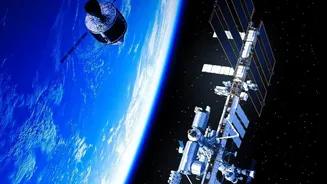
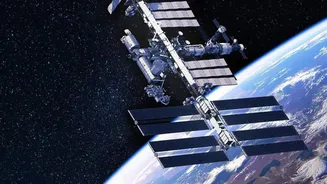
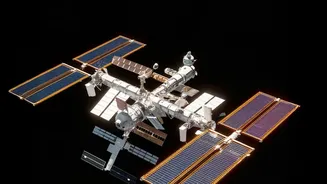
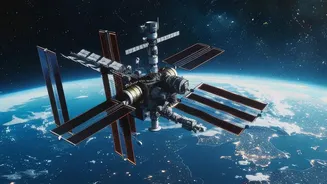
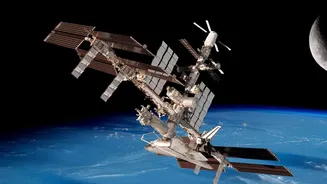
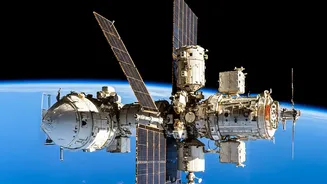
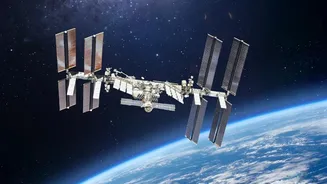
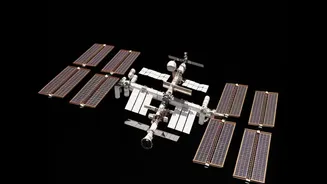
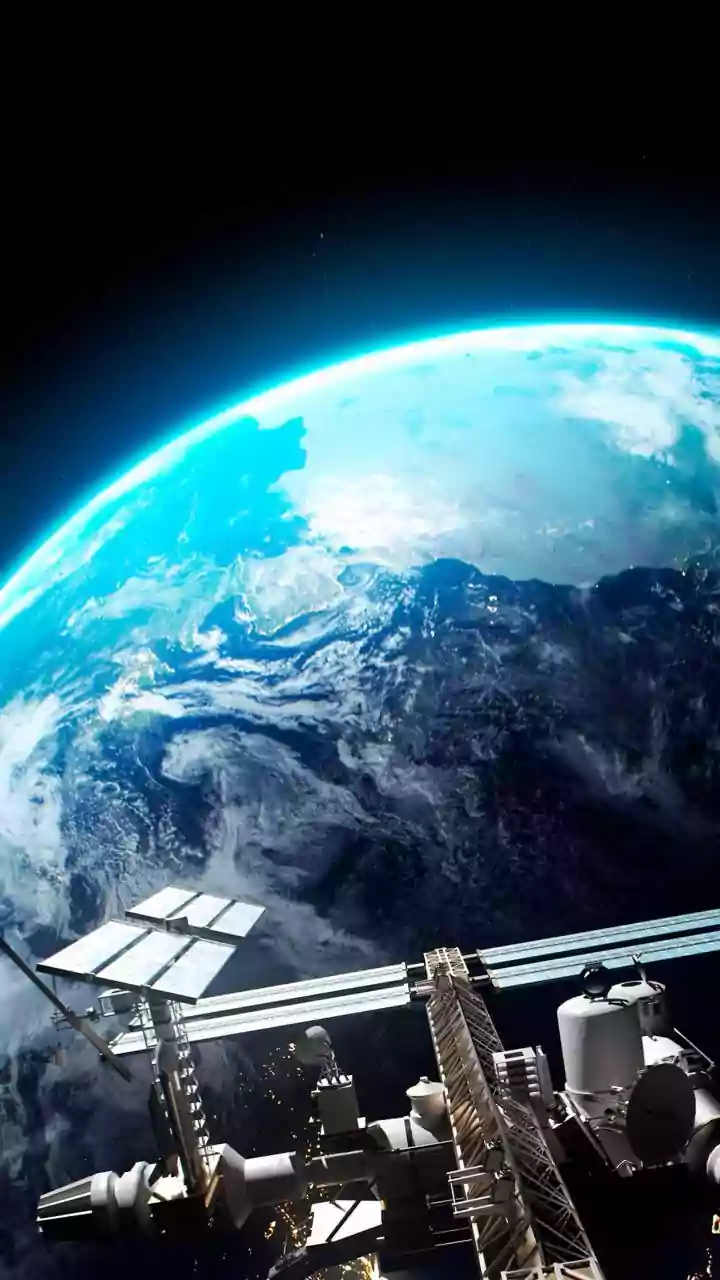
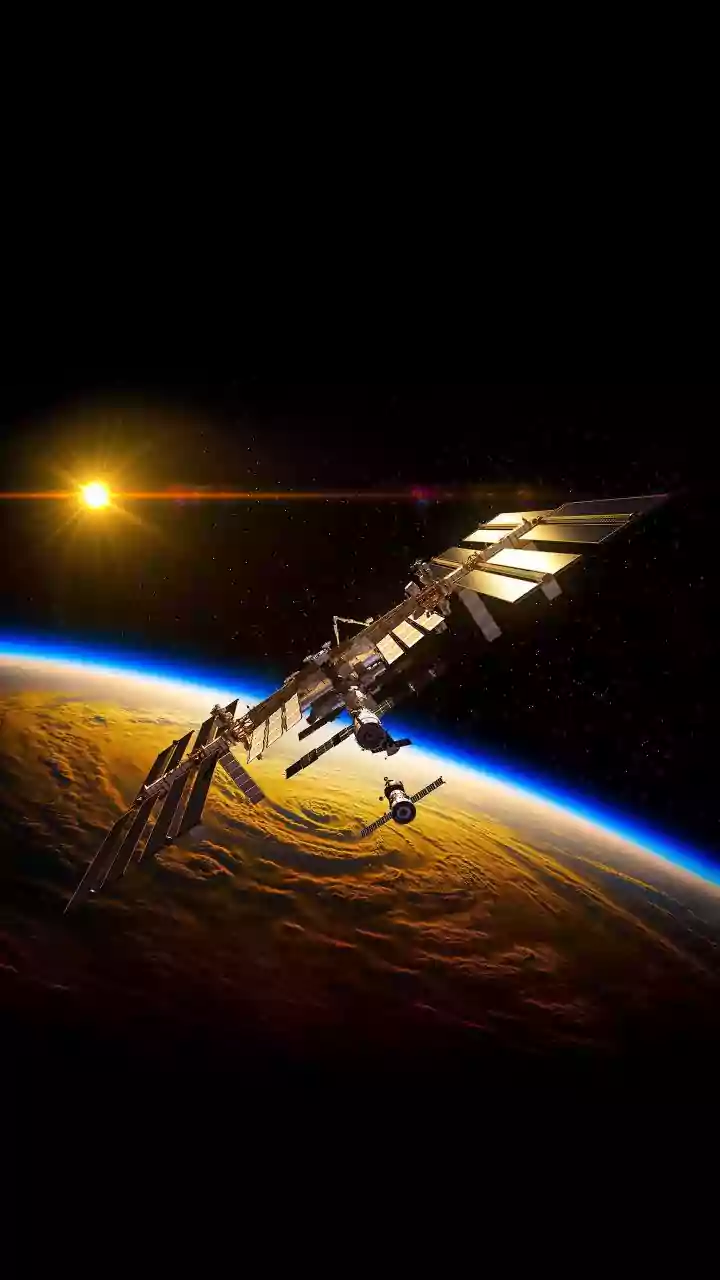
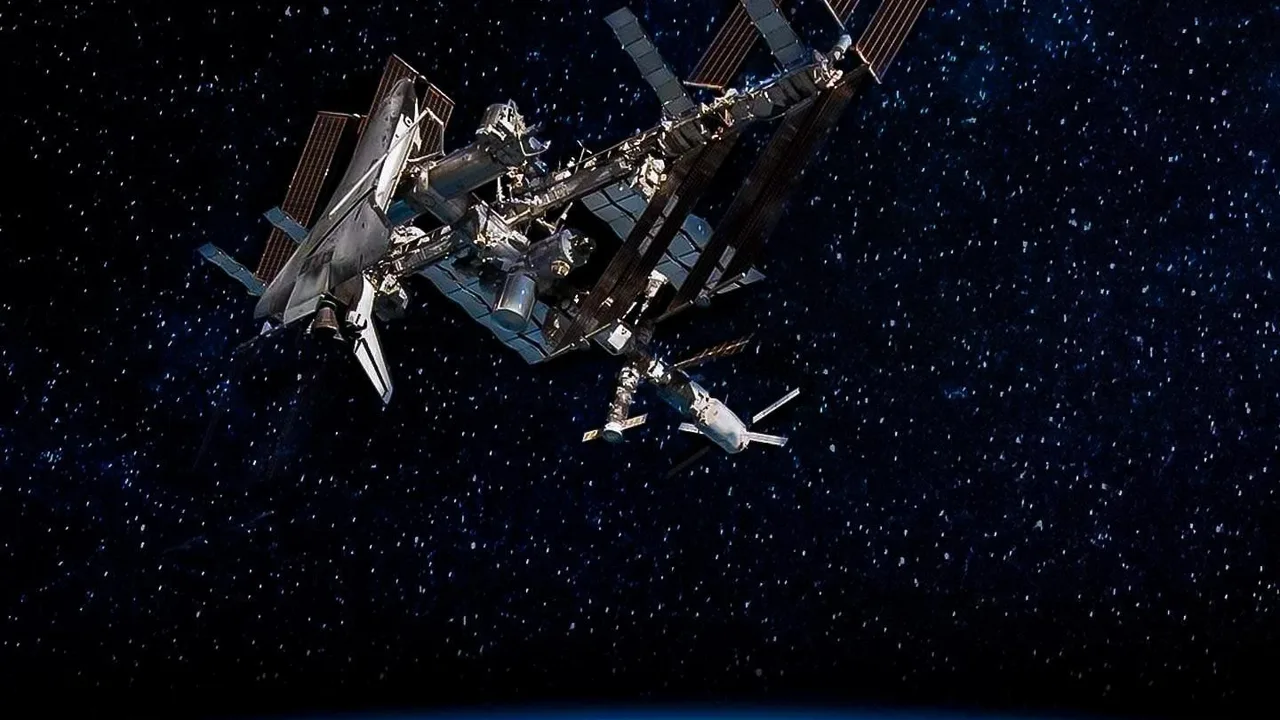
As you watch that point of light glide by, remember what you're actually seeing. The ISS is an orbiting laboratory the size of a football field, assembled piece by piece in space. It has been continuously inhabited by astronauts since November 2000, with an international crew living and conducting science experiments in microgravity. This incredible structure, with its acre of solar panels, represents a global collaboration between multiple space agencies. Knowing this transforms the sighting from a simple stargazing activity into a moment of connection with one of humanity's greatest achievements, flying just a few hundred kilometres above your head.