


The Undisputed Kings
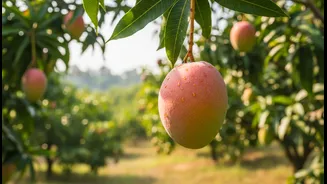
In the sprawling kingdom of Indian mangoes, a few names reign supreme. The Alphonso, or Hapus, from Maharashtra is prized for its saffron-coloured, buttery flesh and has become a global benchmark. Then there’s the sweet and tangy Kesar from Gujarat, and the beloved
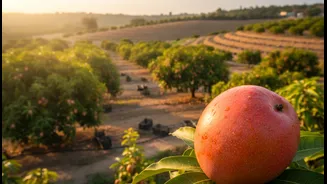
Dasheri and Langra from Uttar Pradesh. These varieties dominate markets, conversations, and our collective imagination. Their popularity isn’t accidental; it’s the result of history, focused cultivation, and robust supply chains that ensure they reach consumers from Mumbai to Delhi and beyond. For most people, the mango experience is defined by this handful of stars, leaving hundreds of other regional treasures in the shadows.
A Festival for the Forgotten
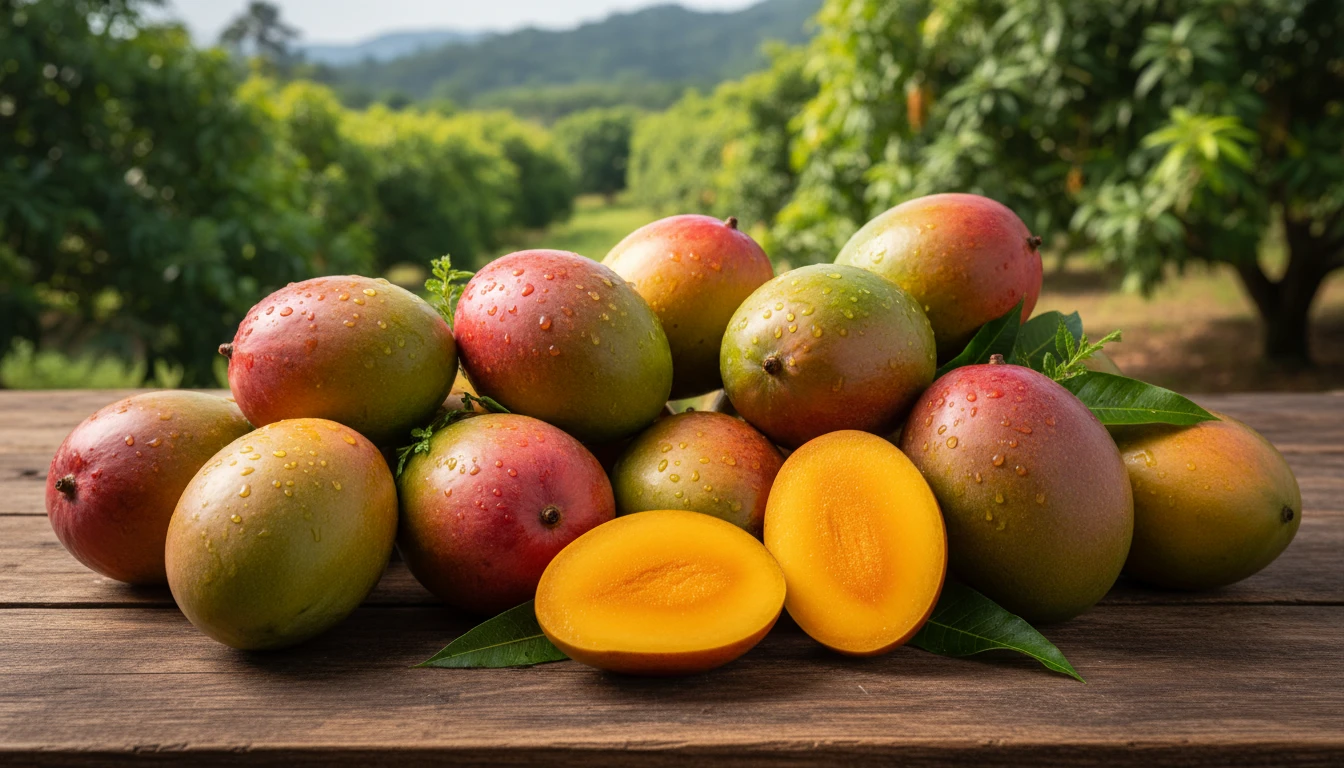
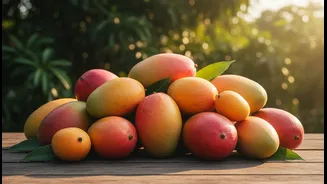
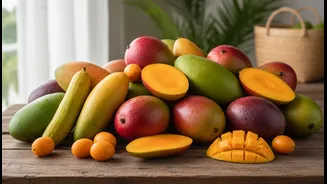
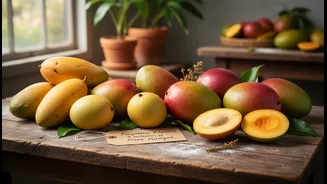
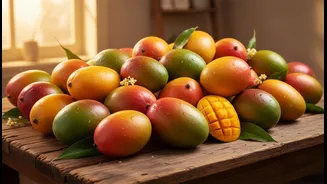
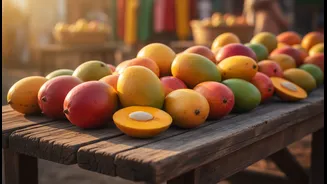
Enter the mango festival. From Dilli Haat to Lucknow and Pinjore, these annual events are a vibrant spectacle. Their stated goal is noble: to showcase the staggering diversity of India’s favourite fruit. Stalls are laden with varieties many have never heard of, like the rose-scented Gulab Khas, the delicate Imam Pasand, or the apple-shaped Sindhura. Festivals held in early July 2026 in Delhi and Lucknow, for instance, displayed over 400 varieties, attracting growers from across the country. They offer a rare chance for city dwellers to taste mangoes that are often too delicate or seasonal to survive the commercial supply chain. In theory, it’s a perfect platform for agricultural storytelling, connecting consumers directly with farmers and their unique produce.
The Short-Term Sugar Rush
The problem, however, lies in the headline’s core question. Does this festival buzz translate into lasting change, or is it just short-term hype? The evidence suggests the latter. While a visitor might marvel at a hundred varieties, they often leave with a box of a familiar favourite. The logistical and economic barriers that keep lesser-known mangoes from the market don’t disappear after a three-day event. Many heritage varieties have a short shelf life, making them unsuitable for long-distance transport without a sophisticated (and currently absent) cold chain infrastructure. The festivals create a temporary, artificial market. One visitor at a recent festival noted you might see a variety there that you'll never see in a market again. This annual celebration can feel less like a launchpad and more like a museum for fruits on the verge of being forgotten.
From Tasting to True Storytelling
For mango festivals to become truly effective, they must evolve from being mere tasting events to platforms for genuine agricultural storytelling. The story of a mango isn’t just its taste; it’s the soil it grows in, the farmers who cultivate it, and its unique history. Individuals like Haji Kalimullah Khan, who has grafted over 350 varieties onto a single tree, or conservationists in Kerala's Kannapuram village, which was declared a 'Mango Heritage Area' for protecting over 100 local types, are the real storytellers. These stories of resilience, biodiversity, and regional identity are what can build a loyal consumer base. A festival’s job shouldn't just be to offer a slice of Gulab Khas, but to tell you why that Gulab Khas from Bihar is special and how you can find it again.
A Recipe for Lasting Impact
Improving storytelling requires a strategic shift. Festivals could act as hubs for creating long-term connections. This includes promoting GI-tagged varieties like Gir Kesar and Banganapalle to help consumers identify authentic produce. They could facilitate direct farmer-to-consumer networks that operate year-round, not just for one weekend. Imagine a festival that launches a QR-coded system, allowing you to scan a mango, learn its story, and pre-order for the next season. The focus needs to move from simply displaying hundreds of varieties to deeply marketing a dozen promising ones each year, helping them build a sustainable market presence. Instead of a chaotic free-for-all, these events need better management to build trust and ensure quality, an issue highlighted by disappointed customers and chaotic scenes at some festivals.