



The Damp Danger: Why Monsoon is Risky for Paws
The primary culprit behind monsoon paw problems is persistent moisture. The combination of high humidity and wet walks means your dog's paws, especially the delicate skin between their toes, may not dry completely. This warm, damp environment is the perfect
breeding ground for fungi and yeast, such as Malassezia, which naturally live on your dog's skin. When conditions are right, these organisms can multiply uncontrollably, leading to an infection known as pododermatitis. Urban environments add another layer of risk. Paved surfaces and city streets collect water, mud, and pollutants, increasing exposure to bacteria and irritants that can compromise the skin's natural barrier.
Signs of Trouble: What to Look For
Paw infections can cause significant discomfort, so early detection is key. The most obvious sign is a change in your dog's behaviour. Be vigilant for persistent licking, chewing, or biting at their paws. This is often the first indicator of itching and irritation. Visually inspect their paws regularly. Look for redness, swelling, and inflammation, particularly in the spaces between their toes and around the nail beds. Other tell-tale signs include a musty or foul odour, greasy or flaky skin, a brownish discharge, and sometimes even hair loss around the affected area. In some cases, you may notice your dog limping or showing sensitivity when their paw is touched.
Your Post-Walk Paw Care Routine
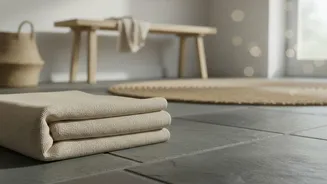
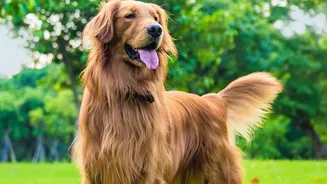
Prevention is the most effective strategy. The single most important habit to adopt is to thoroughly clean and dry your dog's paws after every single walk. Use a clean, soft towel and pay special attention to drying the areas between the paw pads, as this is where moisture loves to hide. For extra muddy walks, a quick rinse with lukewarm water is a good idea before drying. For long-haired breeds, consider trimming the excess fur between their paw pads. This simple grooming step prevents mud and moisture from getting trapped and makes the drying process much more efficient. Some pet parents also opt for waterproof dog booties, which provide a physical barrier against wet and dirty surfaces.
Soothing Solutions and At-Home Fixes
For mild irritation, some at-home remedies may provide relief, but they should be used as supportive care under veterinary guidance. A popular option is an apple cider vinegar (ACV) soak. You can mix one part raw, unfiltered ACV with two parts lukewarm water and let your dog soak the affected paw for about five minutes. Always pat the paw completely dry afterwards. Do not use this method on raw or broken skin as it can cause stinging. Another gentle option is applying a thin layer of virgin coconut oil, which has natural antifungal properties and can soothe dry skin. Massaging it into the pads and between the toes can help, but you may need to use a cone or a sock to prevent your dog from licking it all off immediately.
When to Call the Veterinarian
While home care can help with prevention and minor issues, it is not a substitute for professional medical advice. You should consult your veterinarian if the symptoms do not improve within a day or two, or if they worsen. If your dog is in clear pain, limping, or if the paw is severely swollen, has a foul-smelling discharge, or feels hot to the touch, it's time to seek immediate veterinary care. Recurring infections are also a red flag that requires a professional diagnosis, as they could point to underlying issues like allergies or a weakened immune system that need to be addressed. Your vet can accurately diagnose the cause—whether it's fungal, bacterial, or allergic—and prescribe appropriate medicated shampoos, wipes, or oral medications to resolve the infection safely and effectively.