




What is Circular Agriculture?
For generations, much of our agriculture has followed a linear path: take resources, make food, and discard the waste. This creates problems at both ends, depleting resources and creating pollution. Circular agriculture flips this model on its head. It’s
a system designed to be regenerative, where waste from one process becomes a valuable input for another. Think of it as nature’s ultimate recycling program, where nothing is truly thrown away. In this closed-loop system, byproducts like crop residue or food scraps aren't seen as trash but as resources waiting to be transformed, enhancing sustainability and reducing our environmental footprint.
Enter the Humble Mushroom
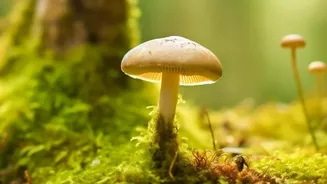
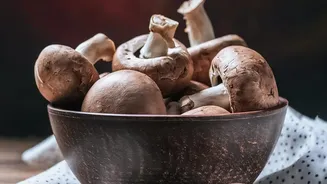
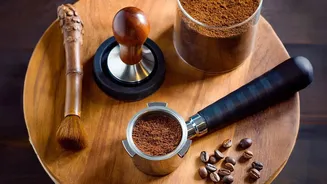
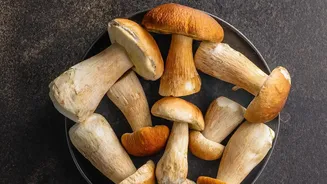
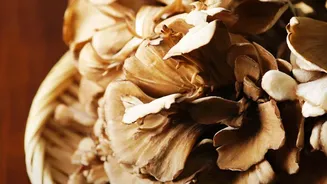
This is where mushrooms shine. As natural decomposers, fungi are uniquely equipped to thrive on what other systems discard. They can be cultivated on a wide variety of organic waste materials, including agricultural residues like paddy straw and sugarcane bagasse, which India produces in surplus. They also flourish on urban waste streams like spent coffee grounds from cafes, sawdust from timber yards, and byproducts from food processing. By feeding on these materials, mushrooms efficiently convert low-value waste into high-value, protein-rich food, embodying the core principle of a circular economy.
The Perfect Crop for the Concrete Jungle
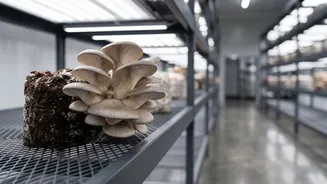
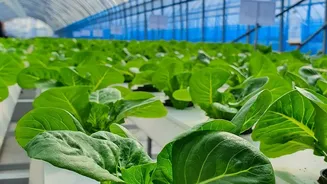
Metros are defined by high population density and limited space, conditions that seem hostile to farming. Yet, mushroom cultivation is perfectly suited for the urban environment. Unlike plants that require sunlight and vast tracts of land, mushrooms can be grown indoors in controlled environments. This makes vertical farms in repurposed basements, shipping containers, or even spare rooms a viable reality. This ability to produce significant yields in a small footprint bypasses the primary constraint of urban agriculture, allowing for fresh food production right in the heart of the city where demand is highest.
Reaping the Urban Harvest
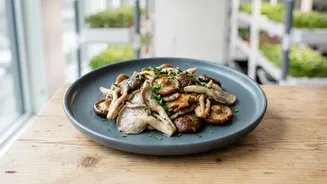
Growing mushrooms in cities using a circular model offers a cascade of benefits. It dramatically shortens supply chains, reducing food miles and transportation-related emissions. This means consumers get access to fresher, more nutritious produce. The model also tackles the urban waste problem head-on, diverting organic materials from landfills where they would otherwise decompose and release greenhouse gases. Furthermore, it creates new green jobs and entrepreneurial opportunities within the city, from waste collection to cultivation and sales. In India, where demand for mushrooms is rising, this presents a significant business opportunity.
Closing the Loop Completely
The cycle doesn't end once the mushrooms are harvested. The leftover material, known as spent mushroom substrate, is a nutrient-dense organic compost. This byproduct, far from being waste, is a valuable soil conditioner that can be used to enrich urban gardens, public parks, and landscaping projects. Some models even take it a step further, using the substrate for vermicomposting (worm farming) to create an even richer fertilizer. This final step truly closes the loop, returning nutrients to the soil and ensuring the entire process is regenerative from start to finish.